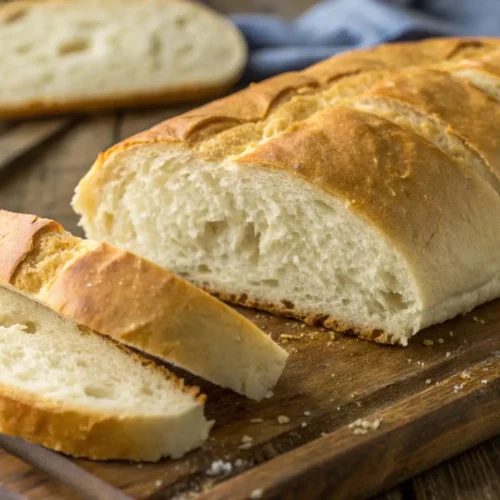
Make the sponge (starter). In a bowl, mix 1 cup warm water, 1 teaspoon sugar, 1 teaspoon active dry yeast, and 1 cup flour.
Stir until smooth. Cover and let it sit 30–45 minutes until bubbly and expanded. This jump-starts flavor and fermentation.
Mix the dough. Add 1 more cup warm water, 2 tablespoons sugar, 2 tablespoons lard (or oil), 3½–4 cups flour, and 2 teaspoons salt to the sponge.
Stir with a sturdy spoon until a shaggy dough forms. If using a stand mixer, use the dough hook on low speed.
Knead to develop gluten. Knead by hand on a lightly floured surface for 8–10 minutes (or 6–7 minutes in a mixer on medium-low). Aim for a smooth, slightly tacky dough that doesn’t stick badly.
Add small sprinkles of flour only if necessary.
First rise. Shape the dough into a ball and place it in a lightly oiled bowl. Cover with a damp towel or plastic wrap. Let it rise in a warm spot until doubled, about 60–90 minutes.
The dough should feel airy and leave a slight dent when pressed.
Preheat the oven. About 30 minutes before baking, set your oven to 425°F (220°C). Place a metal pan on the lower rack if you plan to add steam. Line a baking sheet with parchment.
Shape the loaves. Turn the dough out and gently press to deflate.
Divide into two equal pieces. Flatten each into a rough rectangle, then roll up tightly from the long side into a log. Pinch the seam closed and taper the ends slightly for classic batons, about 12–16 inches long.
Second rise. Place the loaves seam-side down on the prepared sheet, leaving space between them.
Cover loosely and let them rise until puffy, 30–45 minutes. They should spring back slowly when poked.
Score or mark the tops. For a traditional look, press a long, shallow seam down the center with the edge of your hand or score a single shallow slash along the length with a sharp knife. Keep it gentle to avoid deflating the dough.
Bake with steam (optional but helpful). Place the loaves in the oven.
Pour 1 cup hot water into the preheated pan on the lower rack to create steam, then close the door quickly. Steam helps develop a thin, crisp crust.
Finish baking. Bake 20–25 minutes until deeply golden, with an internal temp around 200–205°F (93–96°C). The loaves should sound hollow when tapped on the bottom.
If they brown too fast, tent lightly with foil near the end.
Cool before slicing. Transfer to a rack and let them cool at least 30 minutes. This sets the crumb and keeps it from compressing. Enjoy warm or at room temperature.