
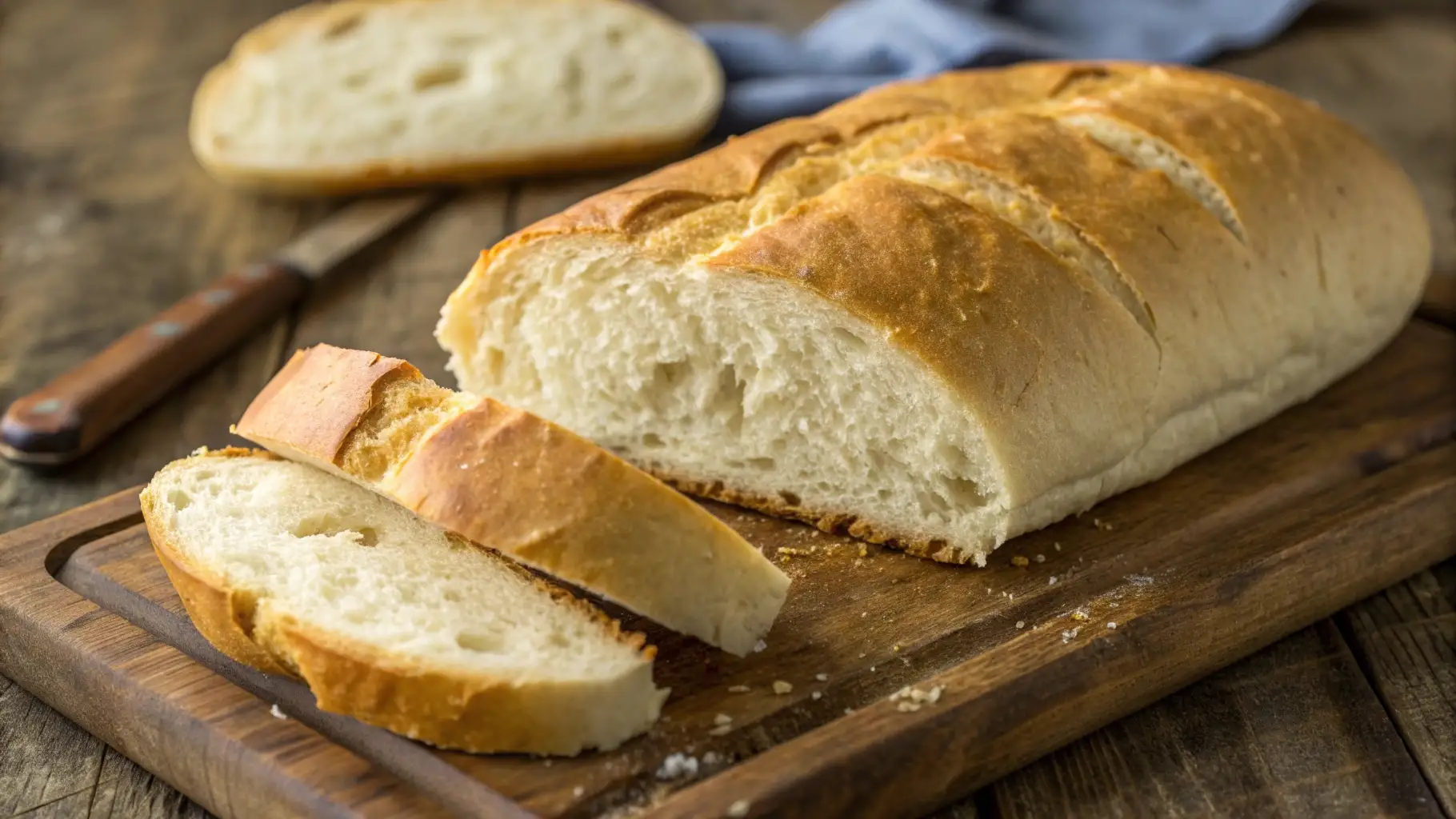
Cuban bread is famous for its thin, crackly crust and soft, airy interior. It’s the loaf behind the iconic Cuban sandwich, but it’s just as good warm from the oven with butter. This recipe is approachable, fast for a yeast bread, and doesn’t require special equipment.
If you’re new to bread baking, this is a great place to start. With a few pantry staples and some simple technique, you’ll have a beautiful loaf in a few hours.
What Makes This Special
Cuban bread stands out for its texture: a light crumb encased in a delicate, crisp crust. It’s traditionally baked as long batons with a signature palm frond or shallow slit on top.
The dough is slightly enriched, yet still lean enough to stay airy. It also typically uses a starter or “sponge” for extra flavor and faster rise. The result is a loaf that’s perfect for pressed sandwiches, breakfast toast, or sopping up sauce.
Shopping List
- Bread flour (or all-purpose flour works in a pinch)
- Warm water (about 105–110°F / 40–43°C)
- Active dry yeast (or instant yeast)
- Sugar
- Salt
- Lard (traditional) or neutral oil like vegetable or canola
- Optional: a little extra flour for dusting and a pan of hot water for steam
Step-by-Step Instructions
- Make the sponge (starter). In a bowl, mix 1 cup warm water, 1 teaspoon sugar, 1 teaspoon active dry yeast, and 1 cup flour.
Stir until smooth. Cover and let it sit 30–45 minutes until bubbly and expanded. This jump-starts flavor and fermentation.
- Mix the dough. Add 1 more cup warm water, 2 tablespoons sugar, 2 tablespoons lard (or oil), 3½–4 cups flour, and 2 teaspoons salt to the sponge.
Stir with a sturdy spoon until a shaggy dough forms. If using a stand mixer, use the dough hook on low speed.
- Knead to develop gluten. Knead by hand on a lightly floured surface for 8–10 minutes (or 6–7 minutes in a mixer on medium-low). Aim for a smooth, slightly tacky dough that doesn’t stick badly.
Add small sprinkles of flour only if necessary.
- First rise. Shape the dough into a ball and place it in a lightly oiled bowl. Cover with a damp towel or plastic wrap. Let it rise in a warm spot until doubled, about 60–90 minutes.
The dough should feel airy and leave a slight dent when pressed.
- Preheat the oven. About 30 minutes before baking, set your oven to 425°F (220°C). Place a metal pan on the lower rack if you plan to add steam. Line a baking sheet with parchment.
- Shape the loaves. Turn the dough out and gently press to deflate.
Divide into two equal pieces. Flatten each into a rough rectangle, then roll up tightly from the long side into a log. Pinch the seam closed and taper the ends slightly for classic batons, about 12–16 inches long.
- Second rise. Place the loaves seam-side down on the prepared sheet, leaving space between them.
Cover loosely and let them rise until puffy, 30–45 minutes. They should spring back slowly when poked.
- Score or mark the tops. For a traditional look, press a long, shallow seam down the center with the edge of your hand or score a single shallow slash along the length with a sharp knife. Keep it gentle to avoid deflating the dough.
- Bake with steam (optional but helpful). Place the loaves in the oven.
Pour 1 cup hot water into the preheated pan on the lower rack to create steam, then close the door quickly. Steam helps develop a thin, crisp crust.
- Finish baking. Bake 20–25 minutes until deeply golden, with an internal temp around 200–205°F (93–96°C). The loaves should sound hollow when tapped on the bottom.
If they brown too fast, tent lightly with foil near the end.
- Cool before slicing. Transfer to a rack and let them cool at least 30 minutes. This sets the crumb and keeps it from compressing. Enjoy warm or at room temperature.
How to Store
- Room temperature: Keep cooled loaves in a paper bag or wrapped in a clean towel for 1–2 days.
This maintains the crust.
- Freezer: Wrap tightly in plastic, then foil, and freeze up to 2 months. Thaw at room temp, then re-crisp in a 350°F (175°C) oven for 8–10 minutes.
- Avoid the fridge: It stales bread faster. Reheat only what you plan to eat soon.
Health Benefits
- Simple ingredients: Flour, water, yeast, salt, and a touch of fat—no additives or preservatives when made at home.
- Portion control: The loaf’s airy crumb makes slices satisfying without being heavy.
- Energy source: Carbohydrates provide quick energy, especially for active days.
- Customizable: You can use part whole-wheat flour or olive oil to adjust fiber and fats to your needs.
What Not to Do
- Don’t kill the yeast. Water that’s too hot will deactivate it.
Aim for warm, not hot.
- Don’t add too much flour. Slight tackiness is good. Extra flour can make the loaf dense and dry.
- Don’t skip the second rise. It builds structure and volume for the signature light crumb.
- Don’t slice hot bread. It compresses the interior. Let it set before cutting.
- Don’t refrigerate. Bread stales faster in the fridge than at room temperature or frozen.
Recipe Variations
- Olive oil version: Swap lard for olive oil for a lighter flavor and a slightly softer crumb.
- Part whole-wheat: Use 1–1½ cups whole-wheat flour, and increase water by 1–2 tablespoons if needed.
Expect a slightly heartier texture.
- Sesame top: Brush the shaped loaves lightly with water and sprinkle sesame seeds before baking.
- Overnight flavor boost: After the first rise, refrigerate the dough overnight. Shape and bake the next day for deeper flavor.
- Mini batons: Divide dough into 4–6 smaller loaves. Reduce bake time to 14–18 minutes, watching color closely.
Explore more irresistible bread recipes you won’t want to miss:
Fluffy Salt Bread Stuffed with Ube Jam
FAQ
Can I use instant yeast instead of active dry yeast?
Yes.
Use the same amount and skip the warm-water proofing step. Mix instant yeast directly with the dry ingredients, then add warm water and proceed.
What if I don’t have bread flour?
All-purpose flour works well. The texture may be slightly less chewy, but the bread will still be airy and crisp.
If possible, choose a higher-protein all-purpose flour.
How do I get a thinner, crisper crust?
Bake with steam for the first 10 minutes and keep your oven fully preheated. Avoid brushing with butter after baking, which softens the crust. Let loaves cool on a rack so moisture doesn’t collect underneath.
Why did my bread come out dense?
Common reasons include adding too much flour, under-kneading, or cutting the rise times short.
Also check that your yeast is fresh and active. The dough should double during the first rise and feel airy.
Can I make this gluten-free?
Cuban bread relies on gluten for structure. A 1:1 gluten-free blend won’t produce the same texture.
If you need gluten-free, look for a recipe designed specifically for that flour type.
Do I need a baking stone?
No. A parchment-lined baking sheet works fine. A stone or steel can improve oven spring and crust, but it’s optional.
What’s the purpose of the center seam or slash?
It controls expansion so the loaf opens attractively while baking.
Without it, the bread may burst randomly along the sides.
Is lard essential?
It’s traditional and adds a subtle richness and tenderness. If you prefer not to use it, neutral oil or olive oil makes a great substitute.
In Conclusion
Cuban bread is all about balance: a crisp, delicate crust and a light, tender interior. With a simple sponge, gentle handling, and a hot oven, you can bake loaves that taste bakery-fresh at home.
Serve it warm with butter, make Cuban sandwiches, or enjoy it alongside soup. Once you master this method, it will become a reliable, go-to bread for any meal.
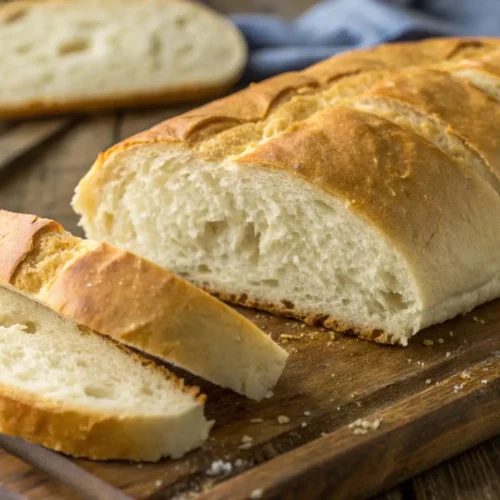
How to Make Cuban Bread Step by Step Guide – Simple, Crisp, and Classic
Ingredients
- Bread flour (or all-purpose flour works in a pinch)
- Warm water (about 105–110°F / 40–43°C)
- Active dry yeast (or instant yeast)
- Sugar
- Salt
- Lard (traditional) or neutral oil like vegetable or canola
- Optional: a little extra flour for dusting and a pan of hot water for steam
Instructions
- Make the sponge (starter). In a bowl, mix 1 cup warm water, 1 teaspoon sugar, 1 teaspoon active dry yeast, and 1 cup flour.Stir until smooth. Cover and let it sit 30–45 minutes until bubbly and expanded. This jump-starts flavor and fermentation.
- Mix the dough. Add 1 more cup warm water, 2 tablespoons sugar, 2 tablespoons lard (or oil), 3½–4 cups flour, and 2 teaspoons salt to the sponge.Stir with a sturdy spoon until a shaggy dough forms. If using a stand mixer, use the dough hook on low speed.
- Knead to develop gluten. Knead by hand on a lightly floured surface for 8–10 minutes (or 6–7 minutes in a mixer on medium-low). Aim for a smooth, slightly tacky dough that doesn’t stick badly.Add small sprinkles of flour only if necessary.
- First rise. Shape the dough into a ball and place it in a lightly oiled bowl. Cover with a damp towel or plastic wrap. Let it rise in a warm spot until doubled, about 60–90 minutes.The dough should feel airy and leave a slight dent when pressed.
- Preheat the oven. About 30 minutes before baking, set your oven to 425°F (220°C). Place a metal pan on the lower rack if you plan to add steam. Line a baking sheet with parchment.
- Shape the loaves. Turn the dough out and gently press to deflate.Divide into two equal pieces. Flatten each into a rough rectangle, then roll up tightly from the long side into a log. Pinch the seam closed and taper the ends slightly for classic batons, about 12–16 inches long.
- Second rise. Place the loaves seam-side down on the prepared sheet, leaving space between them.Cover loosely and let them rise until puffy, 30–45 minutes. They should spring back slowly when poked.
- Score or mark the tops. For a traditional look, press a long, shallow seam down the center with the edge of your hand or score a single shallow slash along the length with a sharp knife. Keep it gentle to avoid deflating the dough.
- Bake with steam (optional but helpful). Place the loaves in the oven.Pour 1 cup hot water into the preheated pan on the lower rack to create steam, then close the door quickly. Steam helps develop a thin, crisp crust.
- Finish baking. Bake 20–25 minutes until deeply golden, with an internal temp around 200–205°F (93–96°C). The loaves should sound hollow when tapped on the bottom.If they brown too fast, tent lightly with foil near the end.
- Cool before slicing. Transfer to a rack and let them cool at least 30 minutes. This sets the crumb and keeps it from compressing. Enjoy warm or at room temperature.