

Have you ever pulled a homemade wheat bread loaf from the oven and wished it looked—and sliced—like something from a bakery? This wheat bread recipe is designed to give you that bakery-style loaf feel at home, with a soft crumb, a golden crust, and a tender, sliceable sandwich loaf texture you’ll actually want to make every week. If you’ve struggled with dense wheat bread in the past, don’t worry—I’ll walk you through simple, beginner-friendly steps for kneading, proofing time, and shaping so your loaf rises confidently and bakes up beautifully. Whether you’re planning toast for breakfast, sandwiches for lunch, or just want a cozy, fresh-bread moment, this whole wheat bread recipe is an easy, satisfying way to bring warm, wholesome baking into your kitchen.
Key Benefits
If you love the idea of baking bread but don’t want a fussy project, this wheat bread recipe is built for real life. It’s the kind of homemade wheat bread you can confidently make on a weekend—and happily slice all week long.
Here’s what makes this loaf “bakery-worthy”:
Soft, tender slices (not dense): A balanced dough and the right proofing time help you get a soft crumb that’s perfect for toast and a sliceable sandwich loaf—without the heavy, dry texture many whole wheat bread recipes can lean toward.
That golden, bakery-style crust: You’ll get a gently golden crust that looks beautiful and tastes even better—crisp at the edges, soft where you want it.
Beginner-friendly process: The steps are straightforward, with clear checkpoints for kneading and rising so you always know what “ready” looks like.
Versatile flavor: Mild, slightly nutty, and easy to customize—go classic, add seeds, or lean sweeter with a touch of honey for a cozy bakery-style loaf vibe.
Great for meal prep: This wheat sandwich bread holds up well for lunches, makes excellent toast, and freezes nicely so you can always have a loaf on hand.
A quick “you’ve got this” note:
If you’ve ever made homemade wheat bread and ended up with a loaf that felt tight or heavy, you’re not alone. Small details—like dough texture, rise cues, and how you shape the loaf—make a big difference, and I’ll guide you through those moments so the result feels reliable every time.
Ingredients
Before you start, take a quick look through your pantry and pull everything out. This wheat bread recipe uses simple staples, but each ingredient has a purpose—especially when you’re aiming for a soft wheat bread loaf that’s not dense.
Flours
300 g whole wheat flour (about 2½ cups)
120 g bread flour (about 1 cup)
(For a lighter, bakery-style loaf. If you want 100% whole wheat, replace with more whole wheat flour.)
Yeast + Seasoning
7 g instant yeast (2¼ tsp) (or active dry yeast, same amount)
9 g fine salt (1½ tsp)
Liquids + Enrichment
300 g warm milk (1¼ cups) (or warm water)
30–40 g honey (2–3 Tbsp) (or sugar, 2 Tbsp)
28 g melted butter (2 Tbsp) (or olive oil, 2 Tbsp)
Optional (helps prevent dense wheat bread)
Vital wheat gluten: 8 g (1 Tbsp) (especially helpful if using 100% whole wheat)
Seeds or oats for topping: 2–3 Tbsp
Instructions
This wheat bread recipe is all about calm, steady steps. You’re not chasing perfection—you’re watching for a few simple cues that lead to a bakery-style loaf with a soft crumb and a beautiful rise.
Mix the dough
In a large bowl (or stand mixer bowl), whisk together:
whole wheat flour
bread flour (if using)
yeast
salt
(optional) vital wheat gluten
Add the warm milk or water, honey, and melted butter (or olive oil).
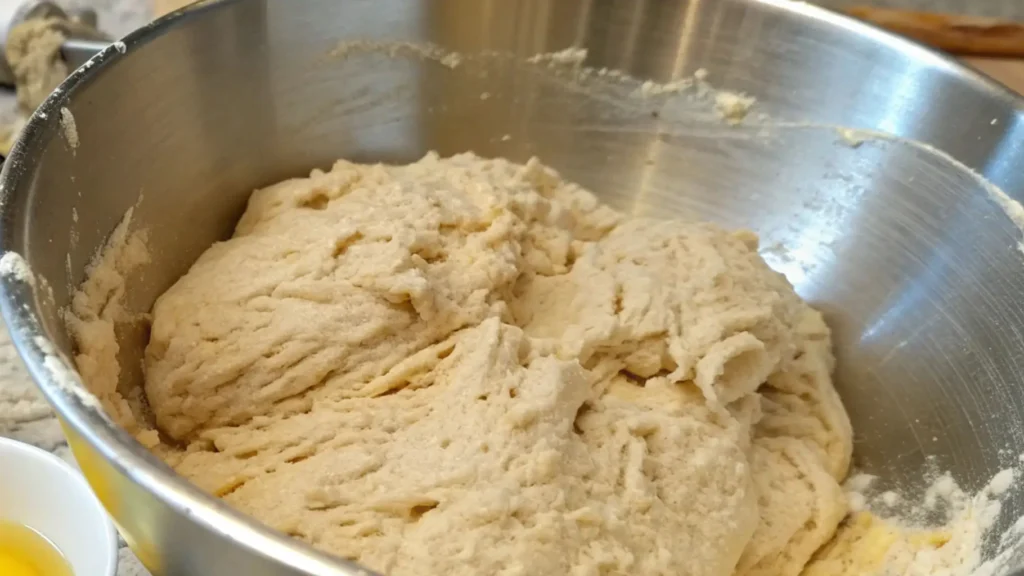
Stir until a shaggy dough forms and no dry flour pockets remain.
What you’re looking for: a dough that’s slightly tacky but cohesive—like it wants to hold together.
Knead until smooth and elastic
By stand mixer: Knead with a dough hook for about 6–8 minutes.
By hand: Knead on a lightly floured counter for about 8–10 minutes.
Quick check: The dough should feel springy and smoother, and it should stretch without tearing right away (a gentle “windowpane” is great, but don’t stress if it’s not perfect—this is a whole wheat bread recipe, so the dough behaves a little differently than white bread).
First rise (bulk fermentation)
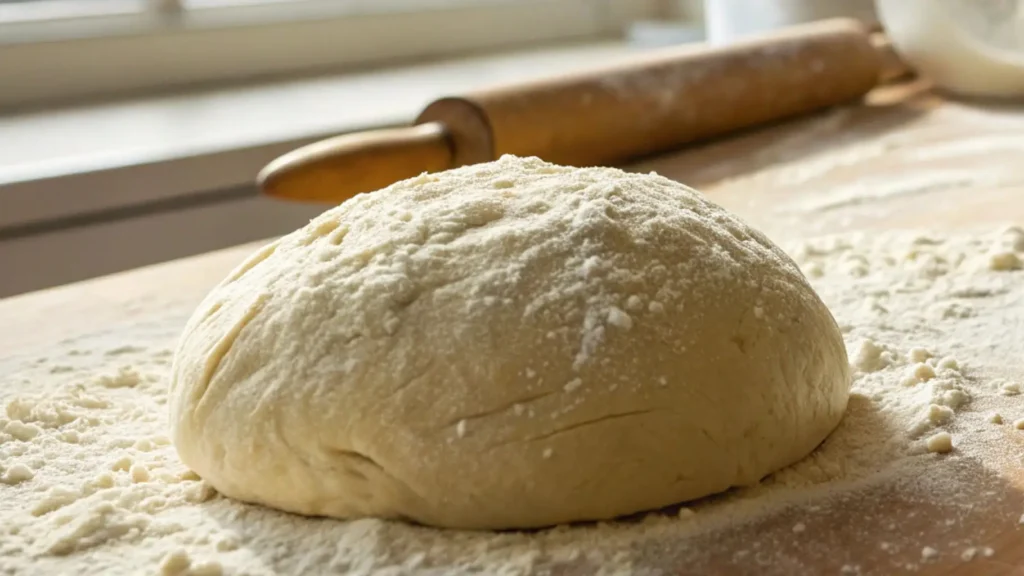
Shape the dough into a ball and place it in a lightly greased bowl.
Cover and let it rise until puffy and roughly doubled.
Proofing time guideline: usually 60–90 minutes, depending on room temperature.
How to tell it’s ready: press a fingertip into the dough. If the dent slowly springs back but still leaves a slight mark, you’re in the sweet spot.
Shape the loaf
Turn the dough out onto a lightly floured surface and gently press it into a rectangle.
Roll it up snugly into a log, pinching the seam closed.
Tuck the ends under to create surface tension (this helps you get that tall, sliceable sandwich loaf shape).
Place seam-side down into a greased loaf pan.
Second rise (final proof)
Cover the pan and let the dough rise until it crowns just above the rim of the pan.
This step matters: Under-proofed dough tends to split and bake up tight; over-proofed dough can collapse. You want it airy and confident—this is how you avoid dense wheat bread.
Bake to a golden crust
Bake until the loaf is deeply fragrant and golden on top.
If the top browns too quickly, loosely tent with foil for the last part of baking.
Doneness cue (best method): an instant-read thermometer inserted in the center should read about 190–200°F / 88–93°C.
Cool before slicing
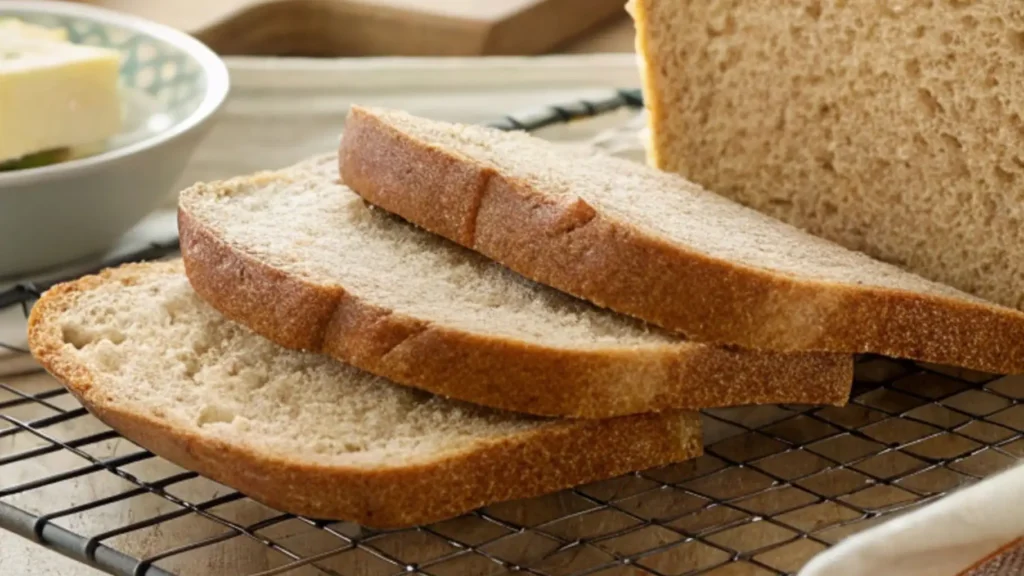
This is the hardest part, but it’s worth it. Let the homemade wheat bread cool in the pan briefly, then transfer to a wire rack and cool completely.
Why it matters: slicing too early compresses the crumb and can make the bread seem gummy—even when it baked perfectly.
Pro Tips and Variations
If you want this wheat bread recipe to come out consistently “bakery-worthy,” these small choices make a big difference. Think of this section as your shortcut to a soft wheat bread loaf with a reliable rise and a tender, sliceable sandwich loaf crumb.
Pro tips for a bakery-style loaf
Start with the right dough feel (hydration matters).
Whole wheat flour absorbs more liquid than white flour. Your dough should feel slightly tacky and pliable—not dry or stiff.
If it feels dry after mixing, add liquid 1 tablespoon at a time.
If it feels overly wet and slack, add flour 1 tablespoon at a time and knead briefly.
Don’t rush the proofing time.
Most “why is my bread dense?” moments come from under-proofing. Give the dough time to get truly puffy on both rises. A slower rise often leads to a better soft crumb and flavor.
Use the loaf-shaping “tension trick.”
When you roll the dough into a log, keep it snug and pinch the seam firmly. That surface tension helps your wheat sandwich bread rise tall instead of spreading wide.
Bake for structure, not just color.
A gorgeous golden crust is great, but the inside matters more. If you have a thermometer, aim for 190–200°F / 88–93°C in the center so the loaf sets properly.
Cool completely before slicing.
I know—warm bread is tempting. But cooling lets the crumb finish setting, so your slices stay clean and soft instead of squishing.
Troubleshooting quick fixes (no stress)
Loaf turned out dense:
Next time, extend proofing time, knead until elastic, and consider the optional gluten boost (below). Dense bread is usually a process issue—not your ability.
Dough isn’t rising well:
Check yeast freshness and make sure your liquid is warm, not hot. If your kitchen is cool, let the dough rise in a turned-off oven with the light on.
Top browning too fast:
Loosely tent with foil for the last part of baking to protect the crust while the center finishes.
Easy variations you can use right away
100% whole wheat option (heartier, still soft):
Swap the bread flour for more whole wheat flour and add vital wheat gluten if you have it. This helps prevent dense wheat bread and supports a higher rise.
Honey oat wheat bread (cozy and slightly sweet):
Add a little extra honey for flavor and sprinkle rolled oats on top before baking for a classic bakery look.
Seeded wheat bread (more texture, more crunch):
Mix in sunflower seeds or flax, or sprinkle a blend on top for a beautiful finish and a more “artisan” feel.
Dairy-free version:
Use warm water instead of milk and olive oil instead of butter—still a delicious homemade wheat bread loaf with a tender bite.
Make-ahead and freezer-friendly:
Once fully cooled, slice the loaf and freeze it. You can toast slices straight from frozen, which makes this whole wheat bread recipe perfect for busy weeks.
Serving Suggestions
Once your loaf is fully cooled and ready to slice, this homemade wheat bread becomes the kind of everyday staple you’ll reach for constantly. The flavor is hearty but mellow, and the soft crumb makes it ideal for everything from quick toast to a loaded sandwich.
Everyday ways to enjoy this wheat sandwich bread
Classic toast, upgraded:
Toast a thick slice until warm and crisp at the edges, then add butter, honey, jam, or nut butter. It’s simple, comforting, and lets that gentle wheat flavor shine.
Sandwich-ready slices:
This wheat sandwich bread holds fillings well without falling apart. Try:
turkey or chicken with crisp lettuce
egg salad or tuna salad
hummus with cucumber and tomato
cheddar with sliced apple for a sweet-savory bite
Breakfast favorites:
Use it for avocado toast, a fried egg sandwich, or cinnamon-honey toast when you want something cozy but not overly sweet.
Cozy pairings for meals
Soup and stew companion:
A warm slice is perfect alongside tomato soup, lentil soup, chili, or any brothy winter bowl—especially when you want something sturdy for dipping.
Simple snack plate:
Serve slices with cheese, olives, roasted nuts, or fresh fruit for an easy, balanced snack that feels a little “bakery café” at home.
Turn it into something special
Grilled cheese with a golden crust:
This wheat bread recipe bakes up with structure that grills beautifully. Butter the outside, go low and slow, and let the bread develop a crisp, golden crust while the center stays tender.
French toast that isn’t soggy:
Slightly stale slices work best. The bread soaks up custard without turning mushy, giving you a soft center and lightly crisp edges.
Small tip for best texture
For the cleanest slices, use a serrated knife and cut with gentle sawing motions. If your loaf is extra soft, chilling it for 15–20 minutes can make slicing even neater—especially if you’re prepping sandwiches for the week.
Conclusion
If you’ve been looking for a wheat bread recipe that feels both cozy and genuinely reliable, this loaf is a great one to keep in your rotation. It’s hearty without being heavy, with a soft crumb, a gently golden crust, and that satisfying “I made this” moment you only get from homemade wheat bread.
Before you wrap things up, here are a few final success reminders:
Trust the rise, not the clock: proofing time can vary, so aim for dough that looks puffy and airy.
Cool completely for clean slices: this is the easiest way to keep your sliceable sandwich loaf texture light and tender.
Make it yours: once you’ve baked it once, try a seeded top, a touch more honey, or the 100% whole wheat option for a different take on the same bakery-style loaf.
If you make this whole wheat bread recipe, I’d love for you to note how it turned out—especially what you topped your first warm slice with.
Explore more irresistible bread recipes you won’t want to miss:

Wheat Bread Recipe for a Happy, Bakery-Worthy Loaf
Ingredients
- Before you start take a quick look through your pantry and pull everything out. This wheat bread recipe uses simple staples, but each ingredient has a purpose—especially when you’re aiming for a soft wheat bread loaf that’s not dense.
Flours
- 300 g whole wheat flour about 2½ cups
- 120 g bread flour about 1 cup
- For a lighter, bakery-style loaf. If you want 100% whole wheat, replace with more whole wheat flour.
Yeast + Seasoning
- 7 g instant yeast 2¼ tsp (or active dry yeast, same amount)
- 9 g fine salt 1½ tsp
Liquids + Enrichment
- 300 g warm milk 1¼ cups (or warm water)
- 30 –40 g honey 2–3 Tbsp (or sugar, 2 Tbsp)
- 28 g melted butter 2 Tbsp (or olive oil, 2 Tbsp)
Optional (helps prevent dense wheat bread)
- Vital wheat gluten: 8 g 1 Tbsp (especially helpful if using 100% whole wheat)
- Seeds or oats for topping: 2–3 Tbsp
Instructions
- This wheat bread recipe is all about calm, steady steps. You’re not chasing perfection—you’re watching for a few simple cues that lead to a bakery-style loaf with a soft crumb and a beautiful rise.
Mix the dough
- In a large bowl (or stand mixer bowl), whisk together:
- whole wheat flour
- bread flour (if using)
- yeast
- salt
- (optional) vital wheat gluten
- Add the warm milk or water, honey, and melted butter (or olive oil).
- Stir until a shaggy dough forms and no dry flour pockets remain.
- What you’re looking for: a dough that’s slightly tacky but cohesive—like it wants to hold together.
Knead until smooth and elastic
- By stand mixer: Knead with a dough hook for about 6–8 minutes.
- By hand: Knead on a lightly floured counter for about 8–10 minutes.
- Quick check: The dough should feel springy and smoother, and it should stretch without tearing right away (a gentle “windowpane” is great, but don’t stress if it’s not perfect—this is a whole wheat bread recipe, so the dough behaves a little differently than white bread).
First rise (bulk fermentation)
- Shape the dough into a ball and place it in a lightly greased bowl.
- Cover and let it rise until puffy and roughly doubled.
- Proofing time guideline: usually 60–90 minutes, depending on room temperature.
- How to tell it’s ready: press a fingertip into the dough. If the dent slowly springs back but still leaves a slight mark, you’re in the sweet spot.
Shape the loaf
- Turn the dough out onto a lightly floured surface and gently press it into a rectangle.
- Roll it up snugly into a log, pinching the seam closed.
- Tuck the ends under to create surface tension (this helps you get that tall, sliceable sandwich loaf shape).
- Place seam-side down into a greased loaf pan.
Second rise (final proof)
- Cover the pan and let the dough rise until it crowns just above the rim of the pan.
- This step matters: Under-proofed dough tends to split and bake up tight; over-proofed dough can collapse. You want it airy and confident—this is how you avoid dense wheat bread.
Bake to a golden crust
- Bake until the loaf is deeply fragrant and golden on top.
- If the top browns too quickly, loosely tent with foil for the last part of baking.
- Doneness cue (best method): an instant-read thermometer inserted in the center should read about 190–200°F / 88–93°C.
Cool before slicing
- This is the hardest part, but it’s worth it. Let the homemade wheat bread cool in the pan briefly, then transfer to a wire rack and cool completely.
- Why it matters: slicing too early compresses the crumb and can make the bread seem gummy—even when it baked perfectly.
Notes
Nutrition Information (Per Serving: 1 slice)
Estimates will vary by flour brand and whether you use milk vs. water.- Calories: 161
- Total Fat: 3.1 g
- Saturated Fat: 1.4 g
- Carbohydrates: 29.3 g
- Fiber: 2.9 g
- Total Sugars: 3.7 g
- Protein: 5.3 g
- Sodium: 305 mg
FAQs
Why did my homemade wheat bread turn out dense?
Dense homemade wheat bread usually comes from one of three things:
Under-proofing: the dough didn’t get enough proofing time to become truly airy.
Too much flour: scooping flour can pack it in—if you can, measure by weight for a lighter loaf.
Not enough kneading: the dough needs structure to trap gas and rise well.
Quick fix: On your next bake, let the dough rise until puffy (not just “a little bigger”), and aim for a smooth, elastic feel during kneading.
Can I make this a 100% whole wheat bread recipe?
Yes. You can replace the bread flour with more whole wheat flour for a true 100% whole wheat bread recipe. Expect a slightly heartier texture.
Pro tip: Adding a small amount of vital wheat gluten can help prevent dense wheat bread and improve the rise.
Instant yeast vs active dry yeast—do I need to change anything?
Both work well in this wheat bread recipe.
Instant yeast can typically be mixed into the dry ingredients.
Active dry yeast often performs best when dissolved in warm liquid first.
Either way, keep the liquid warm (not hot) and give the dough time to rise until noticeably puffy.
How long should wheat bread proof?
Proofing time depends on room temperature and yeast activity, but these cues are more reliable than a timer:
First rise: dough looks expanded and airy, about doubled.
Second rise: dough crowns just above the loaf pan rim.
If your kitchen is cool, expect the rises to take longer—and that’s completely normal.
How do I know when the loaf is fully baked?
Look for a nicely golden crust and a loaf that feels set, not squishy. For the most accurate check, use an instant-read thermometer:
Target 190–200°F / 88–93°C in the center
This helps ensure a fully baked, sliceable sandwich loaf with a soft crumb.
Why is my dough sticky, and should I add more flour?
A slightly tacky dough is common in a whole wheat bread recipe because whole wheat flour absorbs liquid gradually. If you add too much flour too early, you can end up with a dry loaf.
Better approach: knead for a few minutes first, then adjust:
Add flour 1 tablespoon at a time only if the dough is truly wet and unworkable.
How should I store homemade wheat bread?
For the best texture:
Store at room temperature in a bread bag or airtight container for short-term freshness.
Avoid refrigerating—cold air can make bread seem stale faster.
If your kitchen is warm or humid, slice and freeze sooner to keep it tasting fresh.
Can I freeze this wheat sandwich bread?
Absolutely—this loaf is very freezer-friendly.
Let it cool completely, slice it, and freeze in a sealed bag.
Toast slices straight from frozen for easy breakfasts and lunches.
It’s one of my favorite ways to keep wheat sandwich bread ready whenever you need it.