
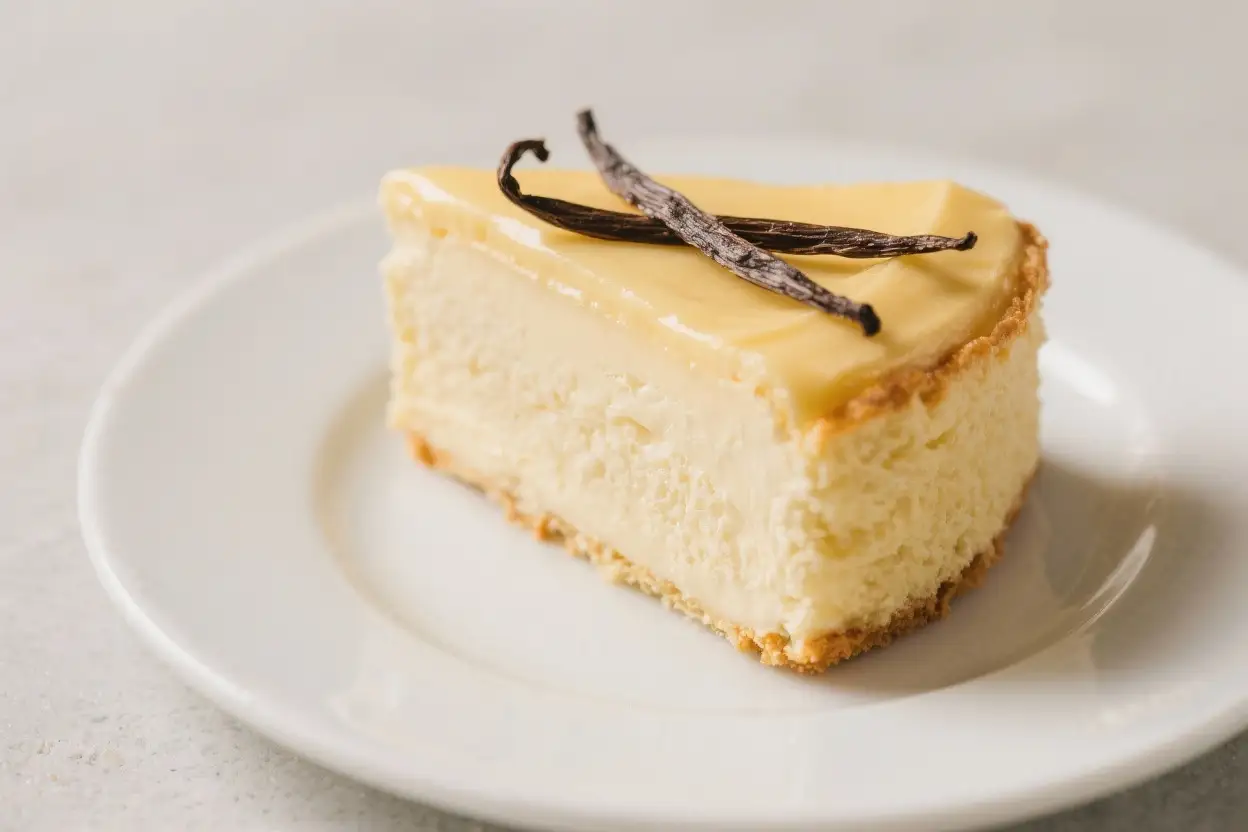
This is the kind of dessert that makes people say, “How did you do that?” Magic custard cake looks fancy, but it’s quietly simple and comforting. One batter bakes into three layers: a soft sponge on top, a silky custard in the middle, and a tender base. It’s light yet creamy, sweet but not heavy, and perfect for slow afternoons or after-dinner treats.
If you love vanilla and gentle textures, this cake will become a favorite in your rotation.
What Makes This Recipe So Good
- Three layers from one batter: You get a fluffy top, a creamy custard center, and a delicate base without any extra steps. It truly feels like magic.
- Simple pantry ingredients: Butter, milk, eggs, sugar, and flour are likely already in your kitchen.
- Gentle vanilla flavor: Pure vanilla gives the cake a warm, classic aroma. It’s elegant without trying too hard.
- Flexible and forgiving: Works in an 8-inch square pan and can be flavored with citrus, cocoa, or spices if you want to switch it up.
- Light yet satisfying: It’s creamy without being heavy, making it great for everyday dessert or special occasions.
What You’ll Need
- 4 large eggs, separated, at room temperature
- 3/4 cup (150 g) granulated sugar
- 1/2 cup (113 g) unsalted butter, melted and cooled slightly
- 1 cup (120 g) all-purpose flour, spooned and leveled
- 2 cups (480 ml) whole milk, lukewarm
- 2 teaspoons pure vanilla extract (or 1 teaspoon vanilla bean paste)
- 1/4 teaspoon fine salt
- Confectioners’ sugar for dusting
- Optional: Lemon zest (1/2 teaspoon) for brightness, fresh berries for serving
Instructions
- Prep the pan and oven: Preheat the oven to 325°F (160°C).
Line an 8-inch (20 cm) square baking pan with parchment, leaving overhang for easy lifting. Lightly grease the sides.
- Warm the milk: Heat the milk gently until just warm to the touch (not hot). This helps the batter come together and promotes clean layering.
- Separate the eggs: Place egg whites in a clean bowl and yolks in a large mixing bowl.
Make sure no yolk gets into the whites.
- Whip the egg whites: Add a pinch of salt to the whites and beat until stiff peaks form. Set aside. The whites should be glossy and hold their shape.
- Whisk the yolks and sugar: In the bowl with yolks, whisk with the granulated sugar until pale and slightly thick, about 2 minutes.
- Add butter and vanilla: Whisk in the melted, cooled butter and the vanilla.
If you’re using lemon zest, add it now.
- Incorporate the flour and salt: Sift the flour and the remaining salt over the yolk mixture. Whisk until smooth and no dry pockets remain.
- Stream in the milk: Gradually whisk in the warm milk in 2–3 additions. The batter will look thin—this is right.
- Fold in the egg whites: Add the beaten whites in three parts, gently folding.
Leave some small, visible puffs of white throughout the batter. Do not overmix; those airy pockets help form the layers.
- Pour and bake: Pour the batter into the prepared pan. Bake for 45–55 minutes, until the top is golden and set but still slightly jiggly in the center when you nudge the pan.
A light crackle on top is normal.
- Cool completely: Let the cake cool in the pan on a rack for at least 1 hour. Then refrigerate for 2–3 hours to firm the custard layer.
- Slice and serve: Lift out using the parchment. Dust with confectioners’ sugar.
Cut into squares with a sharp knife, wiping the blade between cuts for clean edges. Serve chilled or at cool room temperature.
Storage Instructions
- Refrigerator: Store covered in the fridge for up to 3 days. The texture actually improves on day two as the layers settle.
- Freezer: Not ideal.
Freezing can make the custard grainy and the layers weep.
- Serving: For best flavor, let chilled slices sit at room temperature for 10–15 minutes before serving.
Why This is Good for You
- Portion-friendly: The cake is light and modestly sweet, so a small square satisfies without feeling heavy.
- Simple ingredients: You’ll recognize everything on the list—no additives or stabilizers.
- Protein from eggs: Eggs add a bit of protein, which helps balance the sweetness and keeps you fuller longer.
- Mood-lifting vanilla: Warm, familiar aromas can make dessert feel comforting and special, even in small servings.
Common Mistakes to Avoid
- Overmixing the egg whites: If you fully blend them in, you’ll lose the airy pockets that create the top sponge layer.
- Using cold milk: Cold milk can cause the butter to seize and the batter to clump. Keep it lukewarm.
- Overbaking: If it’s baked too long, the custard center can turn rubbery. Look for a golden top and a gentle jiggle.
- Skipping the chill: The custard needs time to set.
Cutting too soon leads to messy slices and collapsed layers.
- Wrong pan size: A much larger pan will make the layers too thin. Stick to an 8-inch square or similar volume.
Alternatives
- Vanilla bean paste: Swap in 1 teaspoon paste for deeper vanilla specks and aroma.
- Citrus twist: Add 1 teaspoon lemon or orange zest with the vanilla for a bright finish.
- Almond note: Replace 1/2 teaspoon of vanilla with almond extract for a bakery-style vibe.
- Cocoa version: Whisk 2 tablespoons unsweetened cocoa powder into the flour for a light chocolate custard cake. Reduce flour by 2 tablespoons to balance.
- Gluten-free: Use a cup-for-cup gluten-free flour blend that includes xanthan gum.
Texture may be slightly softer but still lovely.
- Lower sugar: You can reduce sugar to 2/3 cup. The custard will be less sweet but still pleasant.
- Dairy variations: Whole milk gives the best structure, but you can use 1/2 milk and 1/2 light cream for extra richness. Non-dairy milks can work, though results may be less firm.
Explore more irresistible cake recipes you won’t want to miss:
FAQ
Why is it called “magic” custard cake?
Because one thin batter bakes into three distinct layers: a fluffy sponge on top, a silky custard in the center, and a tender base.
The contrast happens due to the batter’s low flour content and the gentle folding of egg whites.
My cake didn’t form layers. What went wrong?
Usually it’s from overmixing the egg whites into the batter or using cold milk. Another culprit is baking too hot or too long.
Aim for lukewarm milk, barely folded whites, and a gentle bake at 325°F.
How do I know when it’s done?
The top should be golden and lightly springy, with a slight jiggle in the center. If you insert a knife near the edge, it should come out mostly clean, while the center remains soft.
Can I make it ahead?
Yes. It’s perfect for making a day in advance.
Chill it overnight, then slice and dust with sugar just before serving.
Can I use a round pan?
An 8-inch round springform pan works, but line and wrap the base well to prevent leaks. Keep the bake time similar and watch for that gentle center jiggle.
Why is my top collapsing?
A slight sink is normal as the cake cools. A deep collapse may mean underbaking or cutting too soon.
Let it cool fully and chill to set the custard.
How sweet is this cake?
It’s moderately sweet. The custard balances the sugar, so the overall taste is mild and creamy. You can dust lightly with confectioners’ sugar to adjust sweetness at serving.
What can I serve it with?
Fresh berries, a few peach slices, or a small spoon of berry compote are great.
A light espresso or black tea pairs beautifully with its creamy texture.
Final Thoughts
Classic vanilla magic custard cake is simple, elegant, and endlessly comforting. With a few basic ingredients and a gentle touch, you get a dessert that feels special without the stress. Keep the milk warm, fold the egg whites lightly, and give the cake time to chill.
You’ll be rewarded with clean layers, soft texture, and that quiet “wow” factor every time.
Classic Vanilla Magic Custard Cake for Dessert Fans - Soft, Simple, and So Satisfying
Ingredients
- 4 large eggs, separated, at room temperature
- 3/4 cup (150 g) granulated sugar
- 1/2 cup (113 g) unsalted butter, melted and cooled slightly
- 1 cup (120 g) all-purpose flour, spooned and leveled
- 2 cups (480 ml) whole milk, lukewarm
- 2 teaspoons pure vanilla extract (or 1 teaspoon vanilla bean paste)
- 1/4 teaspoon fine salt
- Confectioners’ sugar for dusting
- Optional: Lemon zest (1/2 teaspoon) for brightness, fresh berries for serving
Instructions
- Prep the pan and oven: Preheat the oven to 325°F (160°C).Line an 8-inch (20 cm) square baking pan with parchment, leaving overhang for easy lifting. Lightly grease the sides.
- Warm the milk: Heat the milk gently until just warm to the touch (not hot). This helps the batter come together and promotes clean layering.
- Separate the eggs: Place egg whites in a clean bowl and yolks in a large mixing bowl.Make sure no yolk gets into the whites.
- Whip the egg whites: Add a pinch of salt to the whites and beat until stiff peaks form. Set aside. The whites should be glossy and hold their shape.
- Whisk the yolks and sugar: In the bowl with yolks, whisk with the granulated sugar until pale and slightly thick, about 2 minutes.
- Add butter and vanilla: Whisk in the melted, cooled butter and the vanilla.If you’re using lemon zest, add it now.
- Incorporate the flour and salt: Sift the flour and the remaining salt over the yolk mixture. Whisk until smooth and no dry pockets remain.
- Stream in the milk: Gradually whisk in the warm milk in 2–3 additions. The batter will look thin—this is right.
- Fold in the egg whites: Add the beaten whites in three parts, gently folding.Leave some small, visible puffs of white throughout the batter. Do not overmix; those airy pockets help form the layers.
- Pour and bake: Pour the batter into the prepared pan. Bake for 45–55 minutes, until the top is golden and set but still slightly jiggly in the center when you nudge the pan.A light crackle on top is normal.
- Cool completely: Let the cake cool in the pan on a rack for at least 1 hour. Then refrigerate for 2–3 hours to firm the custard layer.
- Slice and serve: Lift out using the parchment. Dust with confectioners’ sugar.Cut into squares with a sharp knife, wiping the blade between cuts for clean edges. Serve chilled or at cool room temperature.