

Is there anything more comforting than warm, freshly cooked bread you made yourself, especially when it takes just a few simple pantry ingredients? This easy unleavened bread recipe is my go-to when I want that cozy, homemade feel without waiting around for dough to rise. It’s a no yeast bread that comes together in one bowl, rolls out like a quick flatbread, and cooks up in minutes in a hot skillet.
I love serving this soft, flexible flatbread alongside soups, stews, or a simple salad when I need an instant comfort food upgrade on a busy weeknight. You can brush it with melted butter and garlic, sprinkle on herbs, or keep it plain and let your favorite dips do the talking. Once you see how fast and forgiving this unleavened bread is, you might find yourself making it whenever you crave something warm, homemade, and wildly satisfying.
Key Benefits of Unleavened Bread
When you’re craving something warm and cozy but don’t want a fussy baking project, this easy unleavened bread is a game changer. It gives you that fresh, homemade feel of bread straight from the pan, without yeast, long rising times, or special equipment. Think of it as your insanely good comfort food upgrade that fits right into a busy day.
Here’s why you’ll love this no yeast bread:
Quick weeknight friendly
From mixing to serving, this flatbread is ready in about the time it takes your soup or stew to simmer. No proofing, no waiting — just mix, roll, and cook.
Simple pantry ingredients
You only need everyday staples like flour, oil, water, and salt. If your pantry is stocked, you’re already halfway to warm, fresh bread.
Beginner friendly and forgiving
The dough is easy to handle, even if you’ve never baked bread before. No complicated techniques, just a straightforward, step-by-step method that feels like cooking with a friend.
Versatile flatbread side
Serve it with soups, stews, chili, curries, salads, or your favorite dips. You can even turn it into a quick flatbread pizza or use it as a wrap. One recipe, countless comfort food options.
Customizable flavor upgrade
Keep it plain and neutral, or brush it with melted butter, add garlic and herbs, sprinkle cheese, or drizzle a touch of honey. Small tweaks turn this simple unleavened bread into something that feels truly special.
This section sets the tone: you’re not just making bread, you’re adding a flexible, feel-good staple to your kitchen that you can rely on whenever you want effortless comfort.
Ingredients for Unleavened Bread
Before we dive into the step-by-step method, let’s set up your workspace with everything you need. One of the best things about this easy unleavened bread is that it relies on simple pantry ingredients you probably already have on hand.
Core ingredients
These are the basics for a soft, flexible no yeast bread:
All-purpose flour – the foundation of the dough, giving you a tender, easy-to-roll flatbread.
Fine salt – wakes up the flavor so the bread doesn’t taste flat or bland.
Olive oil or melted butter – adds richness, keeps the bread soft, and helps create those lovely golden spots in the pan.
Warm water – brings the dough together and makes it smooth and pliable.
Baking powder (optional) – not traditional, but a small amount gives a gentle lift and extra softness if you want a slightly puffier flatbread.
If you prefer, you can swap part of the all-purpose flour for whole wheat flour to create a heartier, more rustic unleavened bread recipe. Just be prepared to add a touch more water, as whole wheat absorbs more moisture.
Flavor upgrades (optional but highly recommended)
This is where the “insanely good comfort food upgrade” really happens. A few small add-ins can transform a simple flatbread into something unforgettable:
Garlic (fresh or garlic powder) – for a savory, cozy aroma and flavor that pairs beautifully with soups and stews.
Dried herbs (oregano, thyme, rosemary, or Italian seasoning) – sprinkled into the dough or over the top for an herby flatbread feel.
Fresh herbs (parsley, cilantro, or chives) – stirred in at the end or used as a garnish for a bright, fresh finish.
Grated cheese (Parmesan, cheddar, or mozzarella) – folded into the dough or sprinkled on top for a cheesy comfort food twist.
Honey or a pinch of sugar – a small amount in the dough for a subtle sweetness that balances savory toppings and dips.
A quick note on equipment
You don’t need any fancy gear for this simple unleavened bread:
A mixing bowl and spoon to bring the dough together.
A rolling pin (or a clean bottle) to roll out the flatbreads.
A cast-iron skillet or non-stick pan to cook them until golden and soft.
Once these ingredients and tools are in front of you, you’re just a few minutes away from warm, homemade flatbread that feels like a true comfort food upgrade to any meal.
Instructions for Unleavened Bread
Ready to make some warm, homemade flatbread? Here’s a simple, step-by-step way to bring this easy unleavened bread to life. Think of me as right there in the kitchen with you, talking you through each move.
Mix the dry ingredients
In a medium mixing bowl, add your flour, salt, and baking powder (if you’re using it).
Whisk or stir everything together so the salt and leavening are evenly distributed.
Tip: Taking a moment to combine the dry ingredients well helps your no yeast bread cook evenly and keeps the flavor balanced.
Add the liquids and bring the dough together
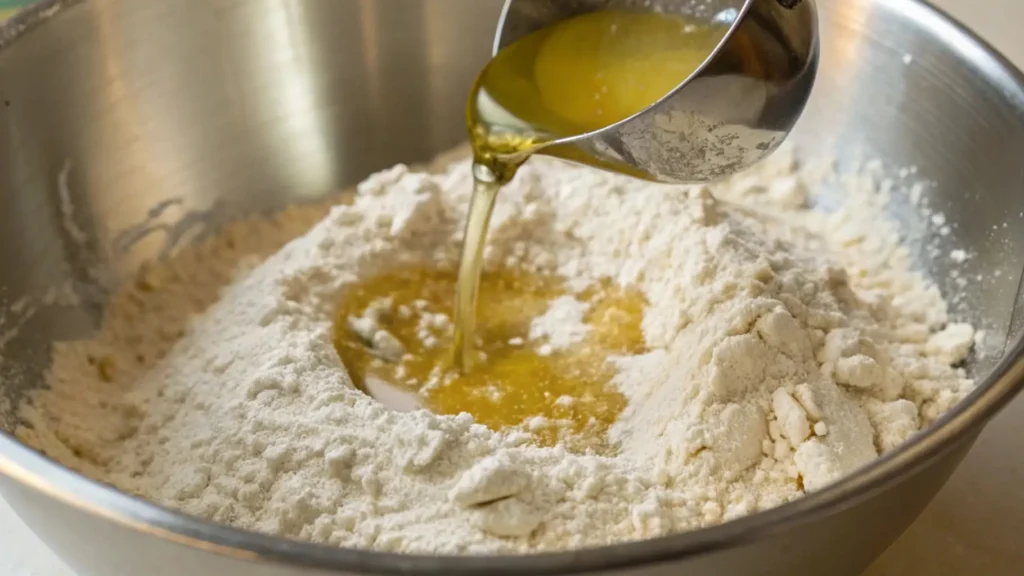
Make a small well in the center of the dry ingredients.
Pour in the warm water and olive oil or melted butter.
Use a spoon or your hand to gently stir from the center outward until the mixture starts to look shaggy and moist.
If the dough feels too dry and crumbly, add a tiny splash of water. If it’s sticky and hard to handle, sprinkle in a little more flour. You’re aiming for a soft, smooth dough that doesn’t cling aggressively to your fingers.
Knead briefly for a smooth dough
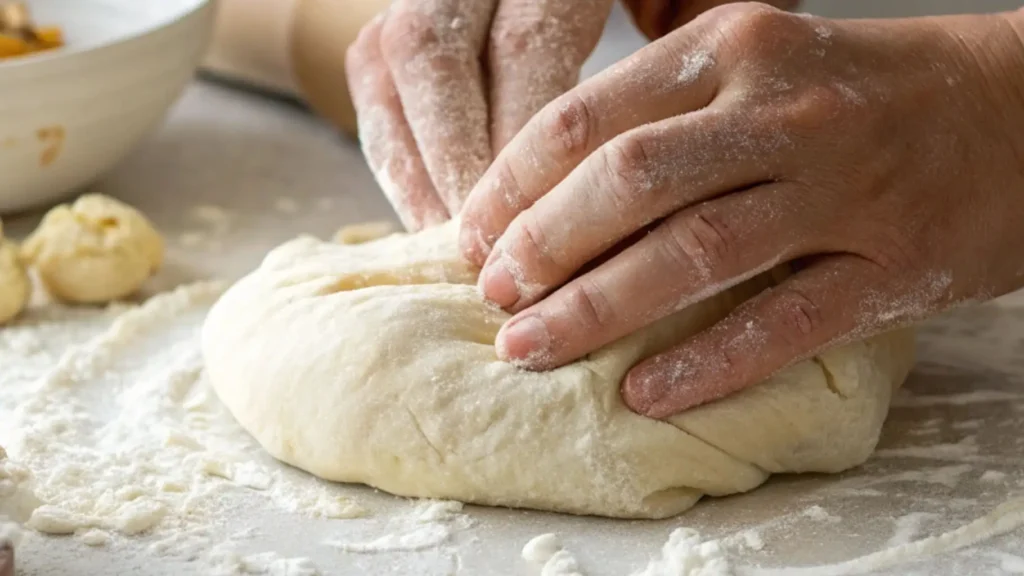
Turn the dough out onto a lightly floured surface.
Knead gently for a minute or two, just until it becomes smooth and elastic.
You don’t need an intense workout here—this unleavened bread dough is meant to be quick and fuss-free. A few folds and presses are enough.
Rest the dough (optional but helpful)
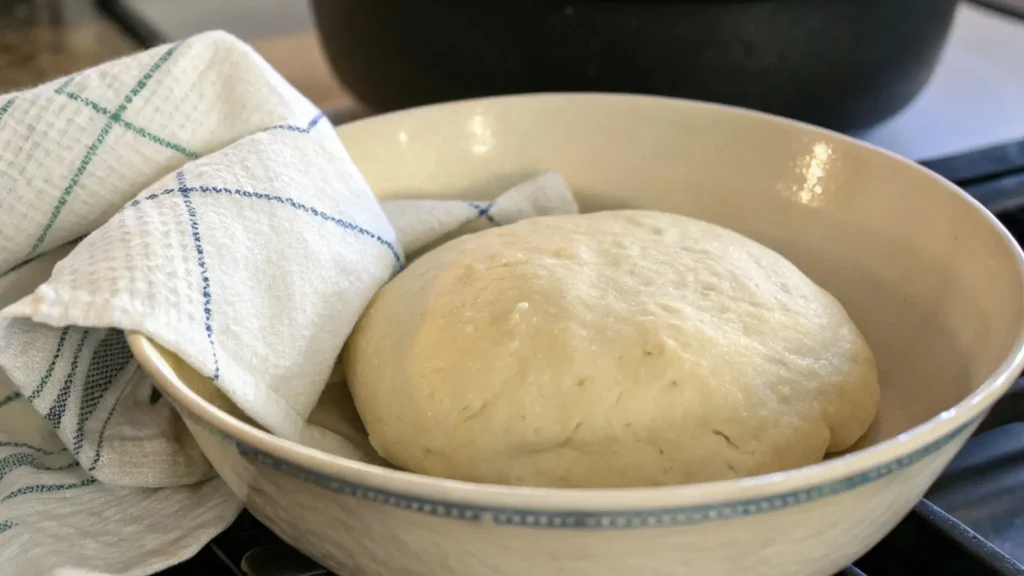
Shape the dough into a ball and place it back in the bowl.
Cover with a clean kitchen towel and let it rest for about 10–15 minutes while you heat your skillet.
This short rest helps the gluten relax, making the dough easier to roll and giving your flatbread a softer bite.
Divide and shape the flatbreads
Once rested, divide the dough into equal pieces (four to eight, depending on how big you want your flatbreads).
Roll each piece into a small ball, then flatten it gently with your hand.
On a lightly floured surface, use a rolling pin to roll each ball into a thin circle or oval, about the thickness of a tortilla.
Don’t worry if they’re not perfectly round—imperfect shapes are part of the charm of homemade flatbread.
Cook in a hot skillet
Heat a cast-iron or non-stick skillet over medium to medium-high heat until it’s nice and hot.
Place one rolled-out piece of dough into the dry skillet.
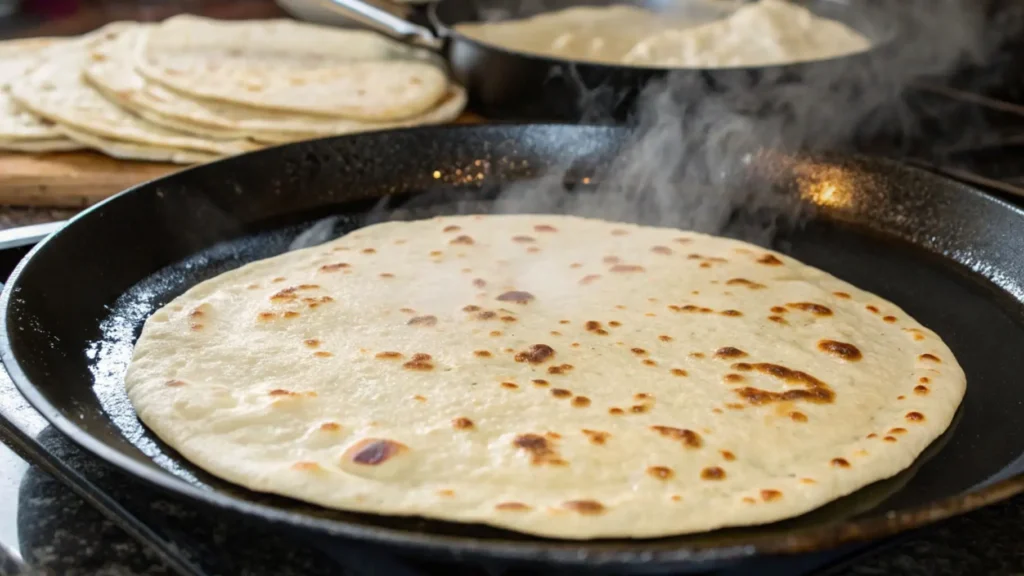
Cook for 1–2 minutes, until you see bubbles forming and the underside develops golden brown spots.
Flip and cook the other side for another 1–2 minutes, pressing gently with a spatula to help it cook evenly.
Repeat with the remaining pieces of dough, adjusting the heat as needed so the bread doesn’t burn before the center cooks through.
Finish with flavor and serve warm
As each flatbread comes off the heat, you can brush it with melted butter or olive oil.
Sprinkle on garlic, herbs, or a pinch of salt if you’d like an extra comfort food upgrade.
Serve your warm unleavened bread right away, or keep the pieces stacked and wrapped in a clean towel to stay soft until you’re ready to eat.
Visual cues to watch for:
The dough should be soft, smooth, and easy to roll.
The flatbread should puff slightly in places and show scattered golden brown spots.
The texture should be flexible enough to fold or tear, perfect for scooping up sauces, dips, or stews.
With this simple method, you’ll have a reliable, go-to no yeast bread that feels special enough for guests but easy enough for any weeknight.
Pro Tips and Variations for Unleavened Bread
Think of this section as your friendly cheat sheet for getting the most out of your easy unleavened bread. A few small tweaks can take your no yeast flatbread from simple to seriously unforgettable.
Pro tips for soft, flexible bread
Watch the dough texture, not just the measurements
Flour can vary, so use the measurements as a guide and your hands as the final judge. The dough should feel soft, smooth, and just barely tacky. If it’s tough or dry, add a teaspoon of water at a time. If it’s sticky, dust in a little more flour.
Don’t skip the short rest
Letting the dough sit for 10–15 minutes makes it noticeably easier to roll and gives the finished flatbread a softer bite. It’s a tiny pause that makes a big difference.
Roll evenly for better cooking
Aim for an even thickness so your homemade flatbread cooks at the same rate. If some areas are too thick, they may stay doughy while thinner spots brown too much.
Use a properly heated skillet
A medium to medium-high heat is your sweet spot. If the bread burns before it gets golden spots, lower the heat. If it looks pale after a couple of minutes, turn the heat up slightly.
Keep cooked bread warm and soft
Stack the finished flatbreads and wrap them in a clean kitchen towel. The gentle steam keeps them warm and pliable until serving time.
Flavor variations to try
Use the base unleavened bread recipe as your canvas and play with flavors to match your mood or menu.
Garlic herb flatbread
Stir garlic powder or finely minced garlic and a pinch of dried herbs (like oregano or Italian seasoning) into the dough.
Brush the hot bread with olive oil and a sprinkle of sea salt right after it comes out of the pan.
Cheesy comfort upgrade
Fold a handful of grated cheese (Parmesan, cheddar, or mozzarella) into the dough for a rich, savory twist.
Or sprinkle cheese on one side while the bread is still in the skillet, letting it melt and bubble before serving.
Whole wheat variation
Swap up to half of the all-purpose flour for whole wheat flour to create a heartier, more rustic whole wheat unleavened bread.
Add a splash or two more water, as whole wheat flour tends to drink up extra moisture.
Lightly sweet version
Add a spoonful of honey or sugar to the dough for a subtle sweetness.
This variation pairs beautifully with nut butter, fruit, or a drizzle of extra honey for breakfast or brunch.
Spiced flatbread twist
For a warm, cozy note, mix in a pinch of smoked paprika, cumin, or chili flakes.
This is especially good when serving the bread with chili, curry, or roasted vegetables.
Make-ahead, storage, and reheating
Make-ahead dough
Prepare the dough, cover it tightly, and refrigerate for up to 24 hours. Let it come back to room temperature before rolling and cooking.
Storing cooked flatbread
Once cooled, stack the bread, wrap it, and store in an airtight container at room temperature for a day or two, or in the fridge for up to 4–5 days.
Freezer-friendly option
For longer storage, freeze cooked flatbreads with pieces of parchment between them. They make a handy last-minute side or wrap base.
Reheating tips
Warm the bread in a dry skillet over medium heat or in a low oven until soft and pliable again. A quick brush of olive oil or butter brings back that fresh, comfort-food feel.
With these tips and variations, your simple no yeast bread becomes a versatile staple you can adapt to almost any meal—whether you’re going for cozy, cheesy, herby, or just plain and perfectly comforting.
Serving Suggestions for Unleavened Bread
One of the best parts about this easy unleavened bread is how many ways you can use it. Once you have a stack of warm flatbreads, you’ve basically got a blank canvas for all kinds of simple comfort food meals. Here are some ideas to get you inspired.
Cozy sides for everyday dinners
Use this no yeast bread anywhere you’d normally reach for rolls, naan, or tortillas. It adds that homemade touch without extra work.
Soups and stews – Perfect for dunking into tomato soup, hearty vegetable stew, or a chunky bean soup. The soft texture is great for soaking up broth.
Chili nights – Serve the flatbread instead of cornbread for a fun twist. Brush with garlic butter and a pinch of chili flakes for extra warmth.
Comfort food plates – Pair with roast chicken, grilled meats, or a simple salad to turn a basic dinner into something more satisfying.
As a base for quick meals
This homemade flatbread makes it incredibly easy to build fast lunches or light dinners, especially on busy weekdays.
Flatbread pizza
Spread with tomato sauce or pesto, add cheese and your favorite toppings.
Pop under the broiler or in a hot oven just until the cheese melts.
Wraps and roll-ups
Fill with grilled chicken, roasted veggies, leftover meat, or falafel.
Add crunchy lettuce, a drizzle of sauce, and roll it up for an easy handheld meal.
Open-faced sandwiches
Top with hummus, avocado, or ricotta and finish with sliced veggies for a fresh, simple lunch.
Perfect partner for dips and spreads
If you love a good snack board or mezze-style spread, this unleavened bread fits right in.
Tear the flatbread into pieces and serve with:
Hummus or baba ganoush
Tzatziki or yogurt-based dips
Olive tapenade or roasted red pepper spreads
Add olives, cheese, and fresh veggies, and you’ve got a beautiful grazing board that feels effortlessly impressive.
Breakfast and brunch ideas
Don’t forget about mornings—this simple bread works wonderfully at breakfast, too.
Savory start – Top with scrambled eggs, sautéed greens, and a sprinkle of cheese.
Lightly sweet – Drizzle with honey, nut butter, or jam for a cozy, not-too-sweet treat.
On-the-go – Wrap eggs, leftover roasted veggies, or breakfast sausage in a warm flatbread for a quick handheld wrap.
However you choose to serve it, this unleavened bread has a way of turning ordinary ingredients into an insanely good comfort food upgrade. Keep a batch on hand, and you’ll always have a simple, homemade option to round out your meals.
Conclusion for Unleavened Bread
When you put it all together, this easy unleavened bread is the kind of recipe you’ll reach for again and again. It turns everyday pantry staples into warm, comforting flatbread that feels special enough for guests but simple enough for busy weeknights. No yeast, no long waits—just mix, roll, and cook.
Think of this as your reliable no yeast bread for those moments when you want something homemade and satisfying without committing to a full baking project. Whether you’re serving it with soup, turning it into a quick flatbread pizza, or wrapping it around leftovers, it has a way of transforming ordinary meals into an insanely good comfort food upgrade.
If this homemade flatbread wins a spot in your regular rotation, keep experimenting with herbs, spices, and toppings to make it your own. Save the recipe, share it with someone who loves simple comfort food, and don’t be surprised if this humble unleavened bread quietly becomes one of your kitchen staples.
Explore more irresistible bread recipes you won’t want to miss:

Unleavened bread insanely good comfort food upgrade
Ingredients
- Before we dive into the step-by-step method let’s set up your workspace with everything you need. One of the best things about this easy unleavened bread is that it relies on simple pantry ingredients you probably already have on hand.
Core ingredients
- These are the basics for a soft flexible no yeast bread:
- All-purpose flour – the foundation of the dough giving you a tender, easy-to-roll flatbread.
- Fine salt – wakes up the flavor so the bread doesn’t taste flat or bland.
- Olive oil or melted butter – adds richness keeps the bread soft, and helps create those lovely golden spots in the pan.
- Warm water – brings the dough together and makes it smooth and pliable.
- Baking powder optional – not traditional, but a small amount gives a gentle lift and extra softness if you want a slightly puffier flatbread.
- If you prefer you can swap part of the all-purpose flour for whole wheat flour to create a heartier, more rustic unleavened bread recipe. Just be prepared to add a touch more water, as whole wheat absorbs more moisture.
Flavor upgrades (optional but highly recommended)
- This is where the “insanely good comfort food upgrade” really happens. A few small add-ins can transform a simple flatbread into something unforgettable:
- Garlic fresh or garlic powder – for a savory, cozy aroma and flavor that pairs beautifully with soups and stews.
- Dried herbs oregano, thyme, rosemary, or Italian seasoning – sprinkled into the dough or over the top for an herby flatbread feel.
- Fresh herbs parsley, cilantro, or chives – stirred in at the end or used as a garnish for a bright, fresh finish.
- Grated cheese Parmesan, cheddar, or mozzarella – folded into the dough or sprinkled on top for a cheesy comfort food twist.
- Honey or a pinch of sugar – a small amount in the dough for a subtle sweetness that balances savory toppings and dips.
A quick note on equipment
- You don’t need any fancy gear for this simple unleavened bread:
- A mixing bowl and spoon to bring the dough together.
- A rolling pin or a clean bottle to roll out the flatbreads.
- A cast-iron skillet or non-stick pan to cook them until golden and soft.
- Once these ingredients and tools are in front of you you’re just a few minutes away from warm, homemade flatbread that feels like a true comfort food upgrade to any meal.
Instructions
- Ready to make some warm, homemade flatbread? Here’s a simple, step-by-step way to bring this easy unleavened bread to life. Think of me as right there in the kitchen with you, talking you through each move.
Mix the dry ingredients
- In a medium mixing bowl, add your flour, salt, and baking powder (if you’re using it).
- Whisk or stir everything together so the salt and leavening are evenly distributed.
- Tip: Taking a moment to combine the dry ingredients well helps your no yeast bread cook evenly and keeps the flavor balanced.
Add the liquids and bring the dough together
- Make a small well in the center of the dry ingredients.
- Pour in the warm water and olive oil or melted butter.
- Use a spoon or your hand to gently stir from the center outward until the mixture starts to look shaggy and moist.
- If the dough feels too dry and crumbly, add a tiny splash of water. If it’s sticky and hard to handle, sprinkle in a little more flour. You’re aiming for a soft, smooth dough that doesn’t cling aggressively to your fingers.
Knead briefly for a smooth dough
- Turn the dough out onto a lightly floured surface.
- Knead gently for a minute or two, just until it becomes smooth and elastic.
- You don’t need an intense workout here—this unleavened bread dough is meant to be quick and fuss-free. A few folds and presses are enough.
Rest the dough (optional but helpful)
- Shape the dough into a ball and place it back in the bowl.
- Cover with a clean kitchen towel and let it rest for about 10–15 minutes while you heat your skillet.
- This short rest helps the gluten relax, making the dough easier to roll and giving your flatbread a softer bite.
Divide and shape the flatbreads
- Once rested, divide the dough into equal pieces (four to eight, depending on how big you want your flatbreads).
- Roll each piece into a small ball, then flatten it gently with your hand.
- On a lightly floured surface, use a rolling pin to roll each ball into a thin circle or oval, about the thickness of a tortilla.
- Don’t worry if they’re not perfectly round—imperfect shapes are part of the charm of homemade flatbread.
Cook in a hot skillet
- Heat a cast-iron or non-stick skillet over medium to medium-high heat until it’s nice and hot.
- Place one rolled-out piece of dough into the dry skillet.
- Cook for 1–2 minutes, until you see bubbles forming and the underside develops golden brown spots.
- Flip and cook the other side for another 1–2 minutes, pressing gently with a spatula to help it cook evenly.
- Repeat with the remaining pieces of dough, adjusting the heat as needed so the bread doesn’t burn before the center cooks through.
Finish with flavor and serve warm
- As each flatbread comes off the heat, you can brush it with melted butter or olive oil.
- Sprinkle on garlic, herbs, or a pinch of salt if you’d like an extra comfort food upgrade.
- Serve your warm unleavened bread right away, or keep the pieces stacked and wrapped in a clean towel to stay soft until you’re ready to eat.
- Visual cues to watch for:
- The dough should be soft, smooth, and easy to roll.
- The flatbread should puff slightly in places and show scattered golden brown spots.
- The texture should be flexible enough to fold or tear, perfect for scooping up sauces, dips, or stews.
- With this simple method, you’ll have a reliable, go-to no yeast bread that feels special enough for guests but easy enough for any weeknight.
Notes
Nutrition Information (per serving)
| Nutrient | Amount (approx.) |
| Calories | 150 kcal |
| Total Fat | 5 g |
| Saturated Fat | 1 g |
| Carbohydrates | 24 g |
| Dietary Fiber | 1 g |
| Sugars | 0–1 g |
| Protein | 3 g |
| Sodium | 220–260 mg* |
FAQs
Can I make this unleavened bread without oil or butter?
Yes, you can make a very simple unleavened bread with just flour, water, and salt. The texture will be a bit drier and less tender, but it will still work. To keep it from feeling too plain:
Use a well-heated non-stick or cast-iron skillet so it doesn’t stick.
Brush the warm flatbread lightly with olive oil, melted butter, or even a neutral spray right after cooking if you’re okay adding fat at the end.
Can I use whole wheat flour instead of all-purpose flour?
You can absolutely make a whole wheat unleavened bread version. For best results:
Replace up to half of the all-purpose flour with whole wheat flour.
Add a little extra water, a tablespoon at a time, since whole wheat absorbs more liquid.
Expect a slightly denser, nuttier flatbread that pairs beautifully with soups, stews, and dips.
How do I keep my unleavened bread soft and not dry?
If your no yeast bread turns out dry or tough, a few small adjustments can help:
Don’t overwork the dough—knead just until smooth.
Let the dough rest for 10–15 minutes before rolling.
Avoid rolling it too thin, or it can crisp instead of staying soft.
Cook over medium to medium-high heat, not blazing hot, so it has time to cook through without burning.
Stack the cooked flatbreads and wrap them in a clean kitchen towel to trap a bit of steam and keep them pliable.
How long does this bread last and how should I store it?
Once cooled, store your homemade flatbread like this:
Room temperature: In an airtight container or bag for 1–2 days.
Refrigerator: Up to 4–5 days, well wrapped to prevent drying out.
If it feels a little firm after storing, a quick reheat in a warm skillet usually brings it right back to life.
Can I freeze unleavened bread?
Yes, this easy unleavened bread freezes very well, making it a great make-ahead option.
Let the flatbreads cool completely.
Stack them with small pieces of parchment between each one.
Place in a freezer bag, press out excess air, and freeze for up to 2–3 months.
Reheat from frozen in a dry skillet or low oven until warm and soft.
Can I bake the bread instead of using a skillet?
If you prefer, you can bake the dough as thin flatbreads:
Preheat your oven to 220°C / 425°F.
Place rolled-out dough on a baking sheet lined with parchment.
Bake for about 6–10 minutes, or until lightly golden and cooked through.
The texture will be a bit different from skillet-cooked bread—slightly drier and more crisp—but still delicious and very handy for quick meals.
Is this unleavened bread a healthy option?
“Healthy” depends on your overall diet, but this no yeast bread is made from simple, recognizable ingredients. To make it a little lighter or more nutritious, you can:
Use olive oil instead of butter.
Swap part of the flour for whole wheat or another whole grain flour.
Pair it with protein- and veggie-rich fillings like beans, grilled chicken, or roasted vegetables.
It’s a flexible base that you can easily adapt to fit your own idea of wholesome, satisfying comfort food.