
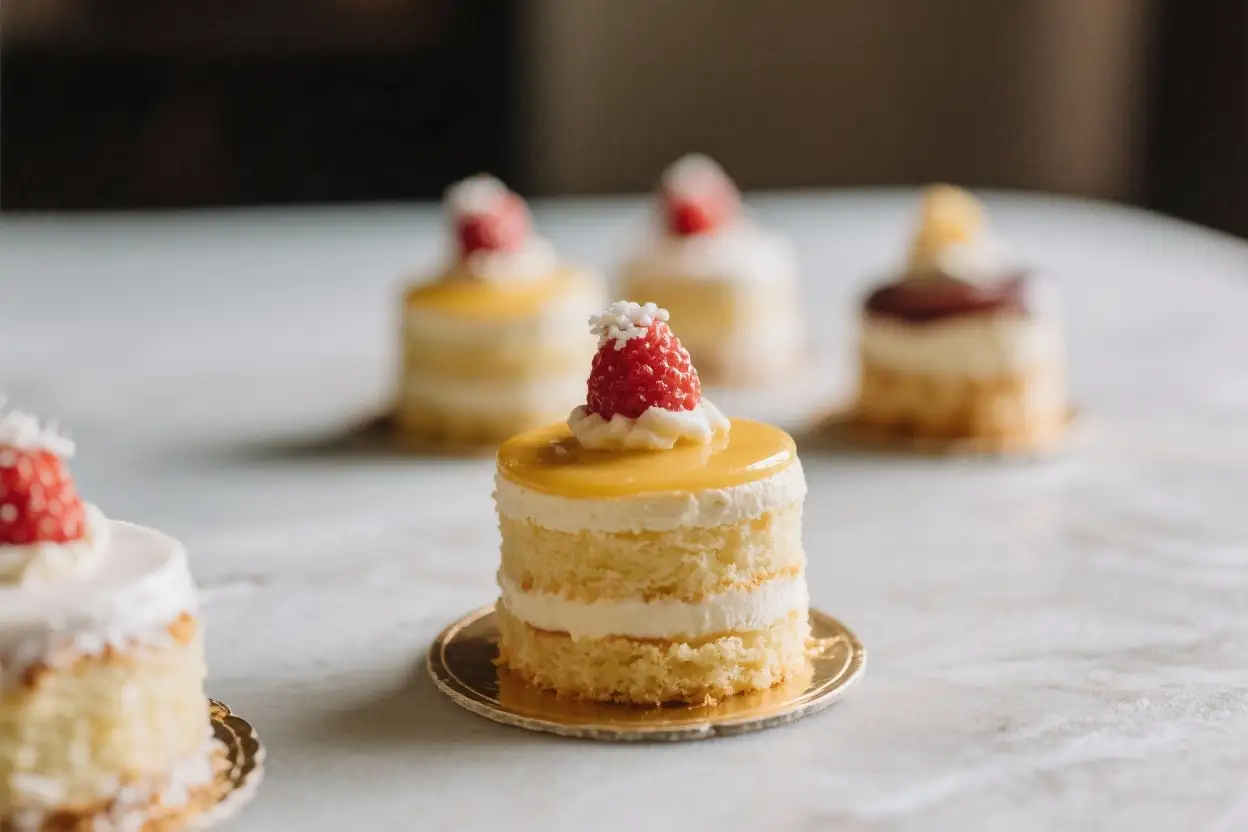
Small cakes are the quiet heroes of intimate moments. They’re perfect for a date night, a mini celebration, or a simple afternoon treat shared with a friend. No towering tiers, no leftovers you’ll tire of—just the right amount of sweetness in a size that feels personal.
Here, you’ll find a flexible base recipe for a 6-inch cake, plus variations to match the mood. The steps are approachable, the ingredients are easy to find, and the results feel special without being fussy.
What Makes This Special
- Right-sized for small gatherings: A 6-inch cake serves 4–6 slices, ideal for intimate events.
- Adaptable base recipe: One batter, many flavors—vanilla, lemon, chocolate, almond, or spice.
- Quick to bake: Smaller pans mean faster baking and quicker cooling.
- Minimal waste: You won’t be stuck with half a cake the next day—unless you want to be.
- Easy decorating: A simple swipe of frosting or a dusting of powdered sugar looks elegant on a small cake.
Shopping List
This list covers a classic 6-inch vanilla cake with simple buttercream, plus optional flavor add-ins.
- Dry ingredients: 1 cup (120 g) all-purpose flour, 3/4 cup (150 g) granulated sugar, 1 1/4 tsp baking powder, 1/4 tsp fine salt
- Wet ingredients: 1/2 cup (120 ml) whole milk, 1/4 cup (60 ml) neutral oil or melted butter, 1 large egg, 1 tsp vanilla extract
- Buttercream: 1/2 cup (113 g) unsalted butter, softened; 1 3/4 cups (210 g) powdered sugar; 1–2 tbsp milk or cream; 1 tsp vanilla; pinch of salt
- Optional flavor add-ins: 2 tbsp cocoa powder (reduce flour to 7/8 cup), zest of 1 lemon, 1 tsp almond extract, 1/2 tsp ground cinnamon, 1/4 cup mini chocolate chips, or 1/4 cup finely chopped berries
- Pan and tools: One 6-inch round cake pan (2 inches tall), parchment paper, whisk, mixing bowls, spatula, hand mixer (optional)
How to Make It
- Prep your pan: Grease a 6-inch cake pan. Line the bottom with parchment, then grease and lightly flour the sides.Preheat oven to 350°F (175°C).
- Combine dry ingredients: In a medium bowl, whisk flour, sugar, baking powder, and salt until well combined.
- Mix wet ingredients: In another bowl or large measuring cup, whisk milk, oil (or melted butter), egg, and vanilla until smooth.
- Bring the batter together: Pour wet into dry and whisk just until no dry streaks remain. Do not overmix. If adding cocoa, zest, spices, or chips, fold them in gently.
- Bake: Transfer batter to the pan and smooth the top. Bake 22–28 minutes, or until the center springs back and a toothpick comes out clean with a few moist crumbs.
- Cool completely: Let the cake rest in the pan 10 minutes.Loosen the edges with a knife, then turn out onto a rack. Peel off parchment and cool fully before frosting.
- Make the buttercream: Beat softened butter until creamy. Add powdered sugar, salt, vanilla, and 1 tbsp milk.Beat until fluffy, adding more milk as needed. Look for a smooth, spreadable texture.
- Frost simply: Place the cooled cake on a small plate. Spread a thin crumb coat, chill 10 minutes, then add a final layer. Swirl the top with the back of a spoon.
- Finish with a touch: Add a few berries, sprinkles, or a dusting of cocoa or powdered sugar.Keep it minimal for a chic, intimate look.
Storage Instructions
- Room temperature: Keep the frosted cake covered at cool room temp for up to 2 days if the room is under 72°F (22°C).
- Refrigerator: Store in an airtight container for 3–4 days. Let slices sit out 20–30 minutes before serving for the best texture.
- Freezer: Wrap unfrosted cake layers tightly and freeze up to 2 months. Thaw in the fridge overnight, then frost.
- Leftover buttercream: Refrigerate up to 1 week or freeze up to 2 months.Re-whip with a splash of milk after thawing.
Health Benefits
Small cakes naturally encourage portion control, which can help reduce sugar and calorie intake during celebrations. Using oil instead of butter can make the crumb moist with slightly less saturated fat. You can also boost flavor with zest and spices instead of extra sugar.
If you want a lighter option, try reducing sugar by 10–15%—the cake will still be tender and sweet enough for most tastes. And because small cakes bake faster, you avoid the temptation of extra frosting layers and fillings.
What Not to Do
- Don’t overmix the batter: This makes the cake tough. Stir just until combined.
- Don’t skip parchment: Small pans can stick more easily.A lined base is insurance.
- Don’t overbake: Small cakes go from done to dry quickly. Start checking at 20 minutes.
- Don’t frost a warm cake: Heat melts buttercream and tears the crumb. Cool completely.
- Don’t overload with add-ins: Too many chips or berries can sink or make the crumb gummy.Keep to 1/4 cup.
Variations You Can Try
- Lemon Olive Oil Cake: Add zest of 1 large lemon and swap oil for extra-virgin olive oil. Finish with a light lemon glaze (powdered sugar + lemon juice).
- Chocolate Mini Cake: Whisk 2 tbsp cocoa into the dry ingredients and reduce flour to 7/8 cup (105 g). Frost with chocolate buttercream or finish with whipped cream and raspberries.
- Almond and Berry Cake: Replace vanilla with 1 tsp almond extract and fold in 1/4 cup finely chopped strawberries or blueberries.
- Spice Cake: Add 1/2 tsp cinnamon and a pinch of nutmeg.Frost with a tangy cream cheese buttercream.
- Coconut Cloud: Stir 2 tbsp shredded coconut into the batter. Frost with vanilla buttercream and press more coconut onto the sides.
- Gluten-Free Swap: Use a 1:1 gluten-free all-purpose blend and add 1 tbsp milk if the batter seems thick. Bake as directed.
- Dairy-Light Option: Use oat or almond milk and oil in the batter.For frosting, try a whipped coconut cream topping.
Explore more irresistible cake recipes you won’t want to miss:
FAQ
How many people does a 6-inch cake serve?
It comfortably serves 4–6 slices, depending on how generous you are. For a romantic dinner or a small celebration, it’s just right.
Can I bake this in cupcakes instead?
Yes. This batter makes about 6–8 standard cupcakes.
Bake at the same temperature for 16–20 minutes, checking early.
What if I don’t have a 6-inch pan?
Use an 8×4-inch loaf pan and start checking at 24 minutes. You can also divide the batter between two large ramekins for mini layer cakes.
How do I make it extra moist?
Add 1 tablespoon of sour cream or Greek yogurt to the batter, or brush the cooled cake with a simple syrup before frosting.
Can I reduce the sugar?
Yes. Reduce granulated sugar by up to 15% without major texture changes.
For buttercream, start with 1 1/2 cups powdered sugar and adjust to taste.
How do I get flat layers without doming?
Bake at 325–335°F if your oven runs hot, and avoid overfilling the pan. You can also level the top with a serrated knife once cooled.
What frosting works best for small cakes?
American buttercream is quick and sturdy. Swiss meringue is silky but more involved.
For a lighter touch, use stabilized whipped cream and keep the cake chilled.
Can I make it ahead?
Yes. Bake the cake a day ahead, wrap tightly, and store at room temperature. Frost the day of serving for the freshest taste and texture.
How do I flavor the buttercream?
Add cocoa powder, lemon zest, espresso powder, almond extract, or a spoonful of jam.
Start small, taste, and adjust gradually.
What should I serve with it?
Fresh berries, a drizzle of warm sauce (chocolate or caramel), or a dollop of whipped cream. For drinks, coffee, tea, or a small glass of dessert wine works beautifully.
In Conclusion
Small cakes bring charm and ease to intimate events. With a simple base recipe and a few thoughtful twists, you can match the flavor to the moment and keep the baking stress low.
Whether it’s lemon-bright, chocolatey, or delicately spiced, a small cake feels personal—and that’s what makes a cozy gathering memorable.