
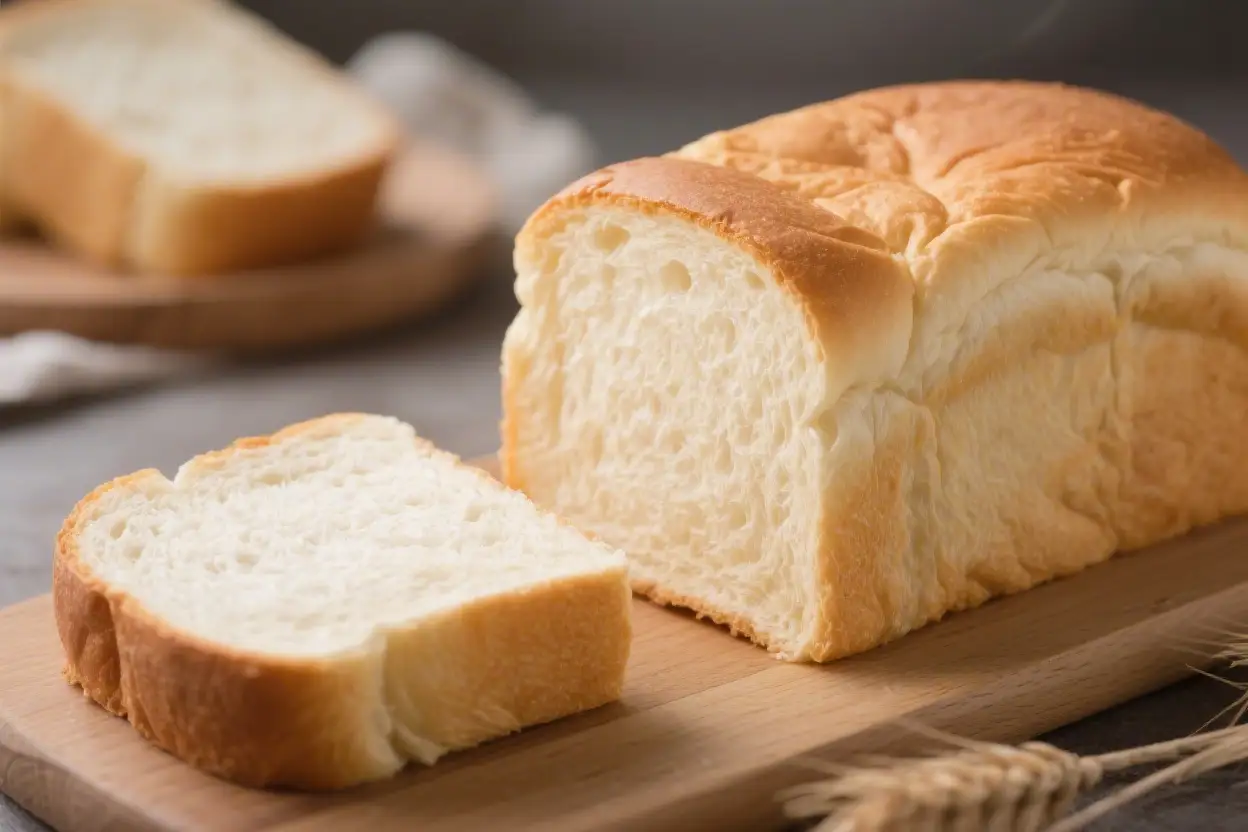
Soft, springy, and lightly sweet, shokupan is the kind of bread you can eat plain and still feel satisfied. It’s famous in Japan for its cottony crumb and paper-thin crust, perfect for toast, sandwiches, or thick buttered slices. The secret lies in a few simple techniques that lock in moisture and build structure.
If you’ve been craving a bakery-style loaf at home, this recipe shows you how to get that signature pull-apart texture. No complicated tools needed—just patience, good ingredients, and a little technique.
What Makes This Recipe So Good
- Pillow-soft texture: Thanks to milk, butter, and a quick tangzhong-style paste, the crumb stays ultra-moist and bouncy.
- Beginner-friendly: Straightforward steps, easy-to-read dough cues, and no specialty equipment required.
- Balanced flavor: Slightly sweet with a gentle dairy richness that toasts beautifully.
- Flexible shaping: Make one tall loaf or divide into rolls—same dough, different looks.
- Great for meal prep: Keeps soft for days and freezes like a dream.
Shopping List
- Bread flour (high-protein)
- Granulated sugar
- Fine sea salt
- Instant yeast (or active dry yeast)
- Whole milk (or 2%)
- Unsalted butter
- Egg (for the dough)
- Water (for the tangzhong-style paste)
- Neutral oil or nonstick spray (for the pan)
- Optional: Milk or egg for a light wash on top
How to Make It
- Make a quick tangzhong-style paste: In a small saucepan, whisk 3 tablespoons bread flour with 1/2 cup milk and 1/2 cup water. Cook over medium-low heat, whisking, until it thickens to a smooth, pudding-like paste, about 2–3 minutes.
Remove from heat and let cool until just warm, not hot.
- Mix the dough: In a mixing bowl, combine 3 1/4 cups bread flour, 3 tablespoons sugar, 2 teaspoons instant yeast, and 1 teaspoon fine salt. Add the cooled paste, 1 beaten egg, and 1/2 cup warm milk (about 100–105°F). Stir until a shaggy dough forms.
- Knead and add butter: Knead by hand or with a stand mixer (dough hook) until the dough is starting to smooth, 5–7 minutes.
Add 4 tablespoons softened unsalted butter, one piece at a time, mixing until fully incorporated. Continue kneading until the dough is elastic, smooth, and slightly tacky, 8–10 more minutes. It should stretch thin without tearing (windowpane test).
- First rise: Shape into a ball and place in a lightly oiled bowl.
Cover and let rise in a warm spot until doubled, about 60–90 minutes. If your kitchen is cool, it may take longer—be patient.
- Prepare the pan: Grease a 9×5-inch loaf pan (or a Pullman pan without the lid). Line the bottom with parchment for easy release.
- Shape the loaf: Turn the dough onto a lightly floured surface.
Divide into 3 equal pieces. For each piece, flatten into a rectangle, then roll up tightly from the short side like a jelly roll. Pinch the seam and place seam-side down in the pan, side by side.
- Second rise: Cover the pan and let the dough rise until it reaches about 1 inch above the rim (or just below the rim if using a Pullman lid), 45–75 minutes depending on temperature.
The dough should look puffy and spring back slowly when gently pressed.
- Preheat and glaze: Preheat the oven to 350°F (175°C). For a tender, burnished top, brush the loaf lightly with milk or a thin egg wash (1 egg beaten with 1 tablespoon milk). Don’t overdo it—light is best.
- Bake: Bake for 28–35 minutes, until the top is deep golden and the interior reaches about 190–195°F.
If the top browns too fast, tent with foil for the last 10 minutes.
- Cool properly: Let the loaf rest in the pan for 10 minutes, then transfer to a wire rack. For the softest crust, lay a clean kitchen towel loosely over the loaf as it cools. Wait at least 1 hour before slicing.
How to Store
- Room temperature: Wrap the cooled loaf in plastic wrap or place in a bread bag.
It stays soft 3–4 days.
- Freezer: Slice first, then freeze in a zipper bag with as much air removed as possible. Keeps well for up to 2 months.
- To refresh: Toast slices straight from the freezer or warm a whole loaf (wrapped in foil) at 300°F for 8–10 minutes.
Health Benefits
- Simple, familiar ingredients: Milk and egg add protein and micronutrients like calcium and B vitamins.
- Homemade control: You choose the sugar, salt, and fat levels—no additives or preservatives.
- Portion-friendly: The loaf slices cleanly, making it easy to manage serving sizes and balance meals.
- Energy source: Carbohydrates fuel active days, especially when paired with protein-rich toppings like eggs, turkey, or tofu.
Pitfalls to Watch Out For
- Dough too dry or too wet: Shokupan dough should be soft and slightly tacky. If it’s dry, add 1–2 teaspoons milk.
If it’s sticky and puddling, dust in a tablespoon of flour at a time.
- Under-kneading: Without enough gluten development, you won’t get that silky crumb. Aim for a smooth, elastic dough that passes the windowpane test.
- Rushing the rise: Rising times vary. Go by volume and feel, not the clock.
Under-proofed dough bakes dense; over-proofed dough can collapse.
- Overbaking: Dry crumb kills the softness. Use an instant-read thermometer if possible and tent with foil if browning fast.
- Slicing too soon: Cutting while hot releases moisture as steam, drying the loaf. Cool at least an hour.
Alternatives
- Hokkaido-style milk bread: Increase the tangzhong slightly (add 1 more tablespoon flour and 2 tablespoons milk) and a touch more sugar for an extra plush, slightly sweeter loaf.
- Whole-wheat twist: Swap 25–30% of the bread flour for fine whole-wheat flour.
Add 1–2 teaspoons extra milk if needed. Expect a slightly heartier crumb.
- Dairy-free: Use a rich plant milk (soy or oat) and replace butter with refined coconut oil or a neutral vegan butter. Texture remains tender with careful kneading.
- No egg: Omit the egg and add 2–3 tablespoons more milk to compensate for moisture.
The loaf will still be soft, with a slightly less rich flavor.
- Hand-knead only: Absolutely doable. Plan for 12–15 minutes of steady kneading. Rest 5 minutes if the dough resists, then continue.
Explore more irresistible bread recipes you won’t want to miss:
FAQ
Can I use all-purpose flour instead of bread flour?
Yes, but the crumb will be a bit less chewy and structured.
If using all-purpose, hold back 1–2 tablespoons of liquid at first, then add as needed to keep the dough soft and slightly tacky.
What if I only have active dry yeast?
Bloom 2 1/4 teaspoons active dry yeast in the warm milk with a pinch of sugar for 5–10 minutes until foamy, then add to the dough. Reduce the total sugar in the bowl by that pinch to keep the balance.
How do I know the dough is kneaded enough?
It should feel smooth and elastic, pull away from the bowl cleanly, and stretch into a thin, translucent “windowpane” without tearing. If it tears easily, knead a few more minutes and rest briefly if it resists.
Do I need a Pullman pan?
No.
A standard 9×5-inch loaf pan works great. A Pullman pan with a lid will give you a perfectly square loaf, but it’s optional.
Why divide the dough into three rolls?
It encourages even rising and creates those beautiful, pull-apart sections. It also helps maintain structure so the loaf climbs high and stays fluffy.
How sweet is this bread?
Lightly sweet—more than standard sandwich bread but not dessert-level.
You can adjust sugar up or down by a tablespoon to taste without affecting texture much.
Can I make the dough ahead?
Yes. After the first rise, punch down, shape into a ball, and refrigerate tightly covered for up to 12 hours. Bring to room temp, divide, shape, proof, and bake as directed.
My crust is too hard.
What happened?
Likely overbaking or too little fat in the dough. Tent with foil if browning early and consider brushing the hot loaf with a touch of melted butter, then covering with a towel as it cools.
In Conclusion
Shokupan is all about softness, balance, and simple pleasure. With a quick tangzhong-style paste, gentle kneading, and patient proofing, you’ll get that signature cloud-like crumb at home.
Enjoy it as thick toast, delicate sandwiches, or straight from the loaf with butter and jam. Once you bake it yourself, it’s hard to go back to store-bought.
Fluffy Shokupan Japanese White Bread Recipe – Soft, Cloud-Like Loaf
Ingredients
- Bread flour (high-protein)
- Granulated sugar
- Fine sea salt
- Instant yeast (or active dry yeast)
- Whole milk (or 2%)
- Unsalted butter
- Egg (for the dough)
- Water (for the tangzhong-style paste)
- Neutral oil or nonstick spray (for the pan)
- Optional: Milk or egg for a light wash on top
Instructions
- Make a quick tangzhong-style paste: In a small saucepan, whisk 3 tablespoons bread flour with 1/2 cup milk and 1/2 cup water. Cook over medium-low heat, whisking, until it thickens to a smooth, pudding-like paste, about 2–3 minutes.Remove from heat and let cool until just warm, not hot.
- Mix the dough: In a mixing bowl, combine 3 1/4 cups bread flour, 3 tablespoons sugar, 2 teaspoons instant yeast, and 1 teaspoon fine salt. Add the cooled paste, 1 beaten egg, and 1/2 cup warm milk (about 100–105°F). Stir until a shaggy dough forms.
- Knead and add butter: Knead by hand or with a stand mixer (dough hook) until the dough is starting to smooth, 5–7 minutes.Add 4 tablespoons softened unsalted butter, one piece at a time, mixing until fully incorporated. Continue kneading until the dough is elastic, smooth, and slightly tacky, 8–10 more minutes. It should stretch thin without tearing (windowpane test).
- First rise: Shape into a ball and place in a lightly oiled bowl.Cover and let rise in a warm spot until doubled, about 60–90 minutes. If your kitchen is cool, it may take longer—be patient.
- Prepare the pan: Grease a 9×5-inch loaf pan (or a Pullman pan without the lid). Line the bottom with parchment for easy release.
- Shape the loaf: Turn the dough onto a lightly floured surface.Divide into 3 equal pieces. For each piece, flatten into a rectangle, then roll up tightly from the short side like a jelly roll. Pinch the seam and place seam-side down in the pan, side by side.
- Second rise: Cover the pan and let the dough rise until it reaches about 1 inch above the rim (or just below the rim if using a Pullman lid), 45–75 minutes depending on temperature.The dough should look puffy and spring back slowly when gently pressed.
- Preheat and glaze: Preheat the oven to 350°F (175°C). For a tender, burnished top, brush the loaf lightly with milk or a thin egg wash (1 egg beaten with 1 tablespoon milk). Don’t overdo it—light is best.
- Bake: Bake for 28–35 minutes, until the top is deep golden and the interior reaches about 190–195°F.If the top browns too fast, tent with foil for the last 10 minutes.
- Cool properly: Let the loaf rest in the pan for 10 minutes, then transfer to a wire rack. For the softest crust, lay a clean kitchen towel loosely over the loaf as it cools. Wait at least 1 hour before slicing.