
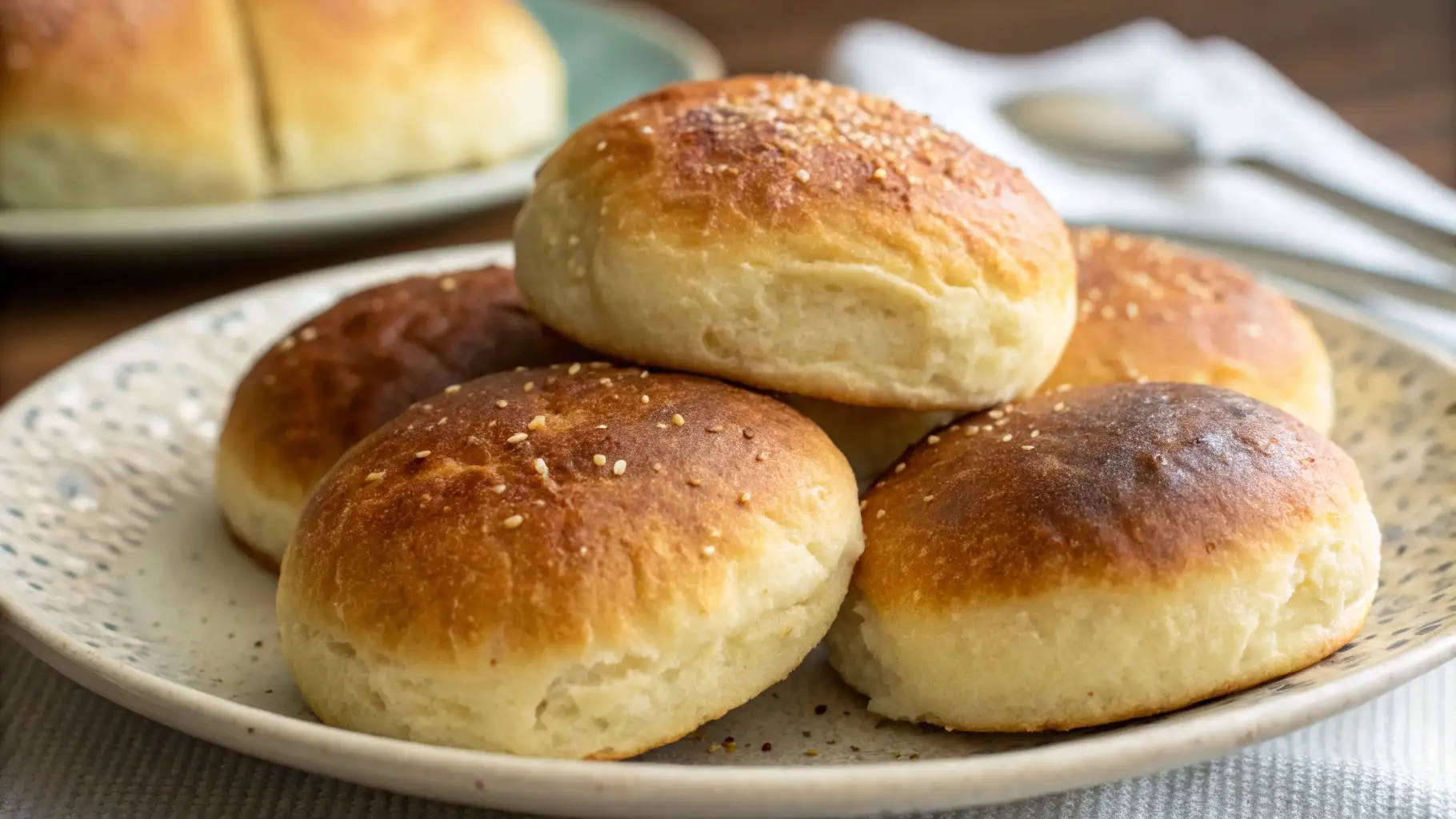
If your burgers keep getting outshined by store-bought buns, this recipe will change that fast. These potato burger buns are soft, slightly sweet, and sturdy enough to hold juicy patties and all the fixings. They’re simple to make, forgiving for beginners, and better than anything in a bag.
A little mashed potato is the secret to a pillowy texture that stays fresh longer. Once you try these, you’ll wonder why you waited so long to bake your own buns.
What Makes This Special
Potato buns have a soft, tender crumb that still holds its shape under sauces and toppings. The potato starch locks in moisture, giving the buns a longer shelf life and a plush bite.
They toast beautifully, with a golden crust and a melt-in-your-mouth interior. Plus, the dough is easy to work with and rises reliably, even if you’re new to bread baking. You can also shape them to your ideal size—slider buns, standard buns, or big brioche-style rounds.
What You’ll Need
- Mashed potato: 3/4 cup (about 150 g), cooled and smooth; use plain mashed potato without butter or milk.
- Warm milk: 1 cup (240 ml), around 100–110°F (38–43°C).
- Water: 2–3 tablespoons, as needed to adjust dough consistency.
- Instant or active dry yeast: 2 1/4 teaspoons (1 packet, 7 g).
- Granulated sugar: 2 tablespoons.
- Unsalted butter: 4 tablespoons (57 g), softened.
- Eggs: 1 whole egg for the dough, plus 1 egg for the egg wash.
- Bread flour or all-purpose flour: 3 1/4 to 3 1/2 cups (390–420 g), plus extra for dusting.
- Salt: 1 1/2 teaspoons.
- Optional toppings: Sesame seeds, poppy seeds, or flaky salt.
- Optional for richness: 1 tablespoon honey for the dough.
Instructions
- Make the mashed potato: If you don’t have leftover mash, peel and cube 1 medium potato.
Boil until fork-tender, drain well, and mash until smooth. Cool to room temperature. The mash should be thick, not watery.
- Activate the yeast (if using active dry): Combine warm milk, sugar, and yeast in a bowl.
Let it sit for 5–10 minutes until foamy. If using instant yeast, you can skip proofing and add it directly to the flour; still warm the milk and mix the sugar in.
- Mix the dough: In a large bowl, add flour, salt, mashed potato, softened butter, one egg, and honey (if using). Pour in the milk-yeast mixture.
Stir with a wooden spoon or use a stand mixer with a dough hook until a shaggy dough forms. Add 1–3 tablespoons of water if the dough seems dry; potato absorbs moisture.
- Knead to smooth: Knead by hand on a lightly floured surface for 8–10 minutes or in a mixer for 5–6 minutes. The dough should be soft, slightly tacky, and elastic.
It should pull away from the bowl but still feel cushy to the touch.
- First rise: Place the dough in a lightly oiled bowl, cover, and let it rise in a warm spot until doubled, about 60–90 minutes. A slow, steady rise develops flavor and structure.
- Portion and shape: Turn the dough out and gently deflate. Divide into 8 equal pieces for standard buns (about 95–105 g each).
For sliders, make 12; for large buns, make 6. Shape each piece into a tight ball by tucking edges under and rolling against the counter for surface tension.
- Flatten and proof: Place balls on a parchment-lined baking sheet, spaced a few inches apart. Gently flatten each to about 3 1/2 inches wide with your palm.
Cover loosely and let rise until puffy and nearly doubled, 45–60 minutes. They should spring back slowly when poked.
- Preheat and glaze: Heat the oven to 375°F (190°C). Whisk the remaining egg with a splash of water.
Brush buns lightly with egg wash. Sprinkle with sesame or poppy seeds if you like.
- Bake: Bake for 15–18 minutes, until deep golden on top and 200–205°F (93–96°C) inside. If tops brown too fast, tent loosely with foil near the end.
- Cool and finish: Cool on a rack for at least 20 minutes.
For a soft, shiny crust, rub the warm tops with a little butter. Slice only when fully warm—not hot—to avoid squashing the crumb.
Storage Instructions
- Room temperature: Store cooled buns in an airtight bag for 2–3 days. Potato keeps them soft longer than regular buns.
- Freezer: Wrap individually and freeze up to 2 months.
Thaw at room temperature, then warm in a 300°F (150°C) oven for 5–8 minutes.
- Pre-sliced: Slice before freezing for quick toasting straight from the freezer.
- To refresh: Lightly toast cut sides in a skillet with butter for the best texture and flavor.
Benefits of This Recipe
- Ultra-soft texture: Potato starch keeps buns moist and tender without being cakey.
- Great structure: They don’t crumble under juicy burgers, sauces, and toppings.
- Beginner-friendly: Flexible dough that still bakes up beautifully if you’re not perfect with shaping.
- Custom size: Make sliders, standard buns, or oversized buns to match your patties.
- Better flavor: Subtle sweetness and buttery notes that toast up like a dream.
Pitfalls to Watch Out For
- Too much flour: The dough should be slightly tacky. Adding too much flour makes dense buns. Oil your hands instead of sprinkling lots of flour.
- Overproofing: If the buns over-rise, they can deflate in the oven.
Aim for puffy and airy, not wobbly or collapsed.
- Wet mashed potato: Excess water throws off the dough. Drain potatoes well and cool the mash before adding.
- Skipping the egg wash: You’ll miss that glossy, golden crust and seed adhesion.
- Slicing too soon: Cutting hot buns compresses the crumb. Let them rest at least 20 minutes.
Alternatives
- Dairy-free: Use warm water or unsweetened plant milk and swap butter for neutral oil or vegan butter.
Flavor will be slightly less rich but still soft.
- Sweet potato: Replace white potato with mashed sweet potato for a hint of color and sweetness. Reduce sugar by 1 teaspoon if desired.
- Whole wheat: Replace up to 40% of the flour with whole wheat. Add 1–2 tablespoons extra water and expect a slightly denser bun.
- Garlic-herb: Add 1 teaspoon garlic powder and 1–2 teaspoons dried herbs to the dough.
Great with grilled chicken or veggie burgers.
- No egg wash: Brush with milk or cream for a softer sheen if you’re avoiding eggs.
Explore more irresistible bread recipes you won’t want to miss:
FAQ
Can I use leftover mashed potatoes with butter and milk?
You can, but results vary. If your leftovers are rich and loose, reduce the added butter in the recipe to 2 tablespoons and hold back a tablespoon or two of milk in the dough. Try to start with mash that’s not overly creamy for the most predictable texture.
What if I only have all-purpose flour?
All-purpose flour works great.
The buns may be a touch less chewy than with bread flour, but still soft and sturdy. Just knead until the dough is smooth and elastic.
How do I make the buns extra fluffy?
Ensure your mashed potato is smooth, don’t overload flour, and give the dough enough time to rise. A warm, draft-free environment and proper kneading help develop structure, which creates a lighter crumb.
Can I make the dough ahead?
Yes.
After the first rise, shape the buns, cover, and refrigerate overnight. Let them sit at room temperature for 45–60 minutes before baking, until puffy. The cold proof deepens flavor.
How do I get that classic burger bun shape?
Build surface tension when shaping: tuck edges under and roll each ball on the counter to create a smooth, tight skin.
Gently flatten before the second rise so they bake into wide, even rounds.
What if I don’t have a stand mixer?
Hand-kneading works fine. Use a bench scraper to keep the surface tidy, and lightly oil your hands to manage stickiness instead of adding extra flour.
How can I add seeds without them falling off?
Use a thorough egg wash and press seeds lightly onto the surface. For maximum hold, brush again with a thin layer of egg wash after sprinkling seeds, then bake.
My buns baked up pale.
What happened?
Oven temperature may be low or inconsistent. Preheat fully, bake on the middle rack, and use egg wash for color. A minute or two extra can deepen browning—just don’t dry them out.
Can I make hot dog buns with this dough?
Absolutely.
Divide and shape into 6–8 logs about 6 inches long. Proof until puffy and bake as directed. The texture is perfect for snappy sausages.
What burgers pair best with potato buns?
Almost anything.
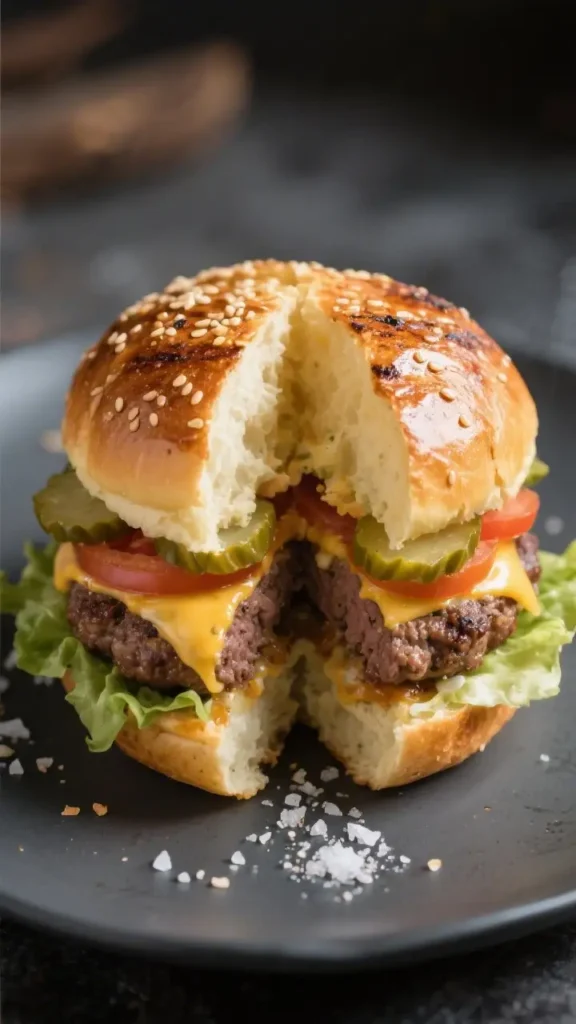
Classic beef patties, fried chicken, salmon burgers, black bean or portobello mushrooms, and smash burgers all shine with these soft, slightly sweet buns.
Wrapping Up
These potato burger buns are soft, reliable, and simple enough for a weeknight. They turn homemade burgers into something special without much extra effort. With a few pantry staples and a small scoop of mashed potato, you’ll get bakery-quality results at home.
Make a batch, freeze a few, and enjoy better burgers whenever the craving hits.
Easy Potato Burger Buns Recipe for Perfect Homemade Burgers – Soft, Fluffy, and Fuss-Free
Ingredients
- Mashed potato: 3/4 cup (about 150 g), cooled and smooth; use plain mashed potato without butter or milk.
- Warm milk: 1 cup (240 ml), around 100–110°F (38–43°C).
- Water: 2–3 tablespoons, as needed to adjust dough consistency.
- Instant or active dry yeast: 2 1/4 teaspoons (1 packet, 7 g).
- Granulated sugar: 2 tablespoons.
- Unsalted butter: 4 tablespoons (57 g), softened.
- Eggs: 1 whole egg for the dough, plus 1 egg for the egg wash.
- Bread flour or all-purpose flour: 3 1/4 to 3 1/2 cups (390–420 g), plus extra for dusting.
- Salt: 1 1/2 teaspoons.
- Optional toppings: Sesame seeds, poppy seeds, or flaky salt.
- Optional for richness: 1 tablespoon honey for the dough.
Instructions
- Make the mashed potato: If you don’t have leftover mash, peel and cube 1 medium potato.Boil until fork-tender, drain well, and mash until smooth. Cool to room temperature. The mash should be thick, not watery.
- Activate the yeast (if using active dry): Combine warm milk, sugar, and yeast in a bowl.Let it sit for 5–10 minutes until foamy. If using instant yeast, you can skip proofing and add it directly to the flour; still warm the milk and mix the sugar in.
- Mix the dough: In a large bowl, add flour, salt, mashed potato, softened butter, one egg, and honey (if using). Pour in the milk-yeast mixture.Stir with a wooden spoon or use a stand mixer with a dough hook until a shaggy dough forms. Add 1–3 tablespoons of water if the dough seems dry; potato absorbs moisture.
- Knead to smooth: Knead by hand on a lightly floured surface for 8–10 minutes or in a mixer for 5–6 minutes. The dough should be soft, slightly tacky, and elastic.It should pull away from the bowl but still feel cushy to the touch.
- First rise: Place the dough in a lightly oiled bowl, cover, and let it rise in a warm spot until doubled, about 60–90 minutes. A slow, steady rise develops flavor and structure.
- Portion and shape: Turn the dough out and gently deflate. Divide into 8 equal pieces for standard buns (about 95–105 g each).For sliders, make 12; for large buns, make 6. Shape each piece into a tight ball by tucking edges under and rolling against the counter for surface tension.
- Flatten and proof: Place balls on a parchment-lined baking sheet, spaced a few inches apart. Gently flatten each to about 3 1/2 inches wide with your palm.Cover loosely and let rise until puffy and nearly doubled, 45–60 minutes. They should spring back slowly when poked.
- Preheat and glaze: Heat the oven to 375°F (190°C). Whisk the remaining egg with a splash of water.Brush buns lightly with egg wash. Sprinkle with sesame or poppy seeds if you like.
- Bake: Bake for 15–18 minutes, until deep golden on top and 200–205°F (93–96°C) inside. If tops brown too fast, tent loosely with foil near the end.
- Cool and finish: Cool on a rack for at least 20 minutes.For a soft, shiny crust, rub the warm tops with a little butter. Slice only when fully warm—not hot—to avoid squashing the crumb.