

If you’ve ever craved a dessert that feels bakery-worthy but still easy enough for a relaxed weekend bake, this lemon bundt cake recipe is for you. I love how the bright citrus flavor comes through in every slice, thanks to fresh lemon zest and lemon juice, while the crumb stays wonderfully tender and ultra-moist. And then there’s the best part: a foolproof glaze that drizzles on silky smooth and sets into a glossy, delightful finish.
Whether you’re planning a simple brunch, need a crowd-pleasing dessert, or just want something sunny to go with your afternoon coffee, this moist lemon bundt cake delivers. Have you ever poured a lemon glaze over a perfectly cooled bundt and watched it cascade into every curve? You’re about to.
Key Benefits
If you’re looking for a lemon bundt cake recipe that tastes like it came from a bakery but feels totally doable at home, this one checks all the boxes. It’s bright, buttery, and finished with an ultimate lemon glaze that turns every slice into something special.
Here’s why you’ll love making it (and serving it):
Big, bright citrus flavor
Fresh lemon zest brings that fragrant, sunny punch, while lemon juice adds the clean tang that keeps the cake from tasting “flat.”
Moist, tender crumb every time
This is a genuinely moist lemon bundt cake—soft and plush, not dry or crumbly—so it stays delicious even the next day.
A showstopping look with minimal effort
Bundt cakes are naturally party-ready. You get that gorgeous, sculpted shape without fussing with layers or fancy decorating.
The glaze makes it unforgettable
The lemon glaze for bundt cake is sweet, silky, and just sharp enough to balance the buttery cake. It settles into the curves, sets nicely, and adds that “one more bite” finish.
Reliable for beginners, satisfying for experienced bakers
The steps are straightforward, and the results feel bakery-style—perfect when you want something impressive that still fits into a normal day.
Versatile for any occasion
This homemade lemon bundt cake works for brunch, showers, holidays, or “just because.” Dress it up with berries, or keep it simple with a glossy drizzle and a cup of coffee.
If you’ve ever wanted a cake that tastes bright and fresh while still feeling rich and comforting, this is the kind of easy lemon bundt cake you’ll come back to—especially once you see how that glaze finishes it off.
Ingredients
Before you start mixing, take a minute to gather everything. This lemon bundt cake recipe comes together smoothly when your ingredients are ready to go—especially the butter, eggs, and dairy. You’ll get a more even batter, a better rise, and that soft, moist lemon bundt cake crumb we’re aiming for.
For the Lemon Bundt Cake
All-purpose flour – the sturdy base for a tender-yet-sliceable cake
Baking powder + baking soda – a balanced lift for a light, even crumb
Fine salt – small amount, big impact (it sharpens the lemon flavor)
Unsalted butter (room temperature) – for a buttery texture and rich flavor
Granulated sugar – sweetens and helps create a fine, plush crumb
Large eggs (room temperature) – structure and a smooth, stable batter
Fresh lemon zest – the “wow” factor for bright citrus aroma
Fresh lemon juice – adds tang and keeps the flavor vibrant
Vanilla extract – softens the edges and rounds out the citrus
Buttermilk or sour cream – your moisture maker for a tender crumb
Buttermilk keeps it light and tangy
Sour cream makes it extra rich and velvety
For the Ultimate Lemon Glaze
Powdered sugar (confectioners’ sugar) – for a silky, glossy finish
Fresh lemon juice – the main flavor driver for the lemon glaze for bundt cake
Lemon zest (optional but lovely) – adds sparkle and a little texture
Pinch of salt (optional) – helps the sweetness taste cleaner
A splash of milk or cream (optional) – only if you want a softer, more opaque drizzle
Quick Ingredient Tips (so your cake turns out beautifully)
Room temperature matters: butter and eggs blend more evenly, giving you a smoother batter and better rise.
Zest first, then juice: it’s much easier to zest a whole lemon than a squeezed one.
Fresh vs bottled lemon juice: fresh gives the brightest flavor; bottled can taste muted in a homemade lemon bundt cake.
Choose your glaze vibe:
More powdered sugar = thicker, dramatic drip
More lemon juice = thinner, lighter drizzle with extra tang
Once your ingredients are lined up, you’re set up for success—and the rest of this easy lemon bundt cake will feel refreshingly straightforward.
Instructions
Let’s make this lemon bundt cake recipe feel easy from the very first step. I’ll walk you through it the same way I would if you were baking right beside me—because a beautiful, moist lemon bundt cake is all about a few smart moves and calm, steady steps.
Prep the oven and pan
Preheat your oven to 350°F (175°C).
Place the rack in the center of the oven for even baking.
Prepare your bundt pan thoroughly (this matters more than you think):
Grease every curve and crevice well.
Dust lightly with flour (or use a baking spray that includes flour).
Tip out excess flour and set the pan aside.
Mix the dry ingredients
In a medium bowl, whisk together:
flour
baking powder
baking soda
salt
Whisking now helps your cake rise evenly later—no surprise tunnels or uneven crumb.
Cream butter and sugar for a tender crumb
In a large mixing bowl, beat room-temperature butter and granulated sugar until light and fluffy (about 2–3 minutes).
Pause once to scrape down the bowl—this simple step prevents dense pockets in the batter.
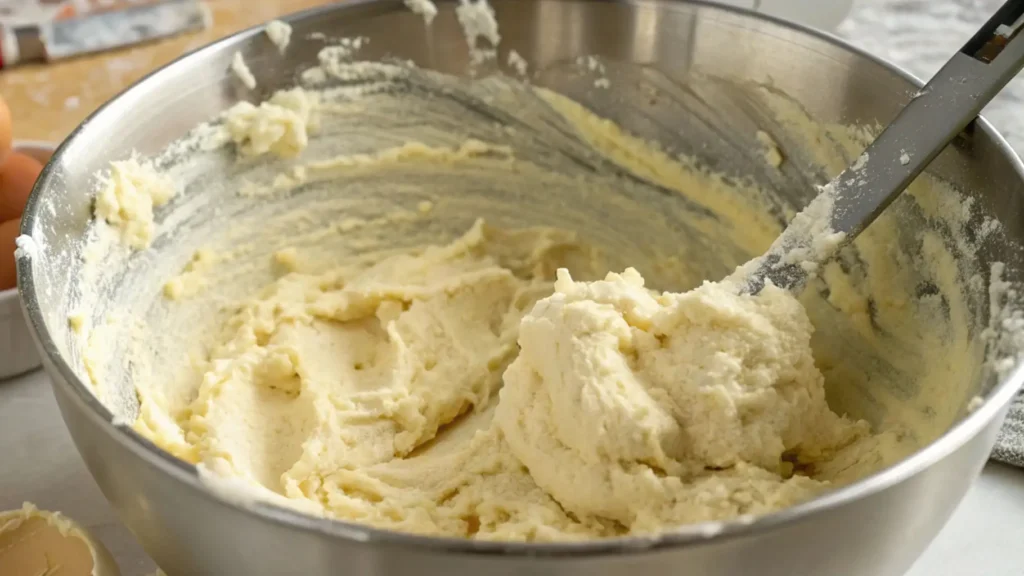
Add eggs, lemon, and vanilla
Beat in the eggs one at a time, mixing just until each one disappears into the batter.
Mix in:
fresh lemon zest
lemon juice
vanilla extract
You’ll smell the citrus bloom here—that’s how you know you’re building real lemon flavor.
Alternate dry and dairy (the key to a moist bundt)
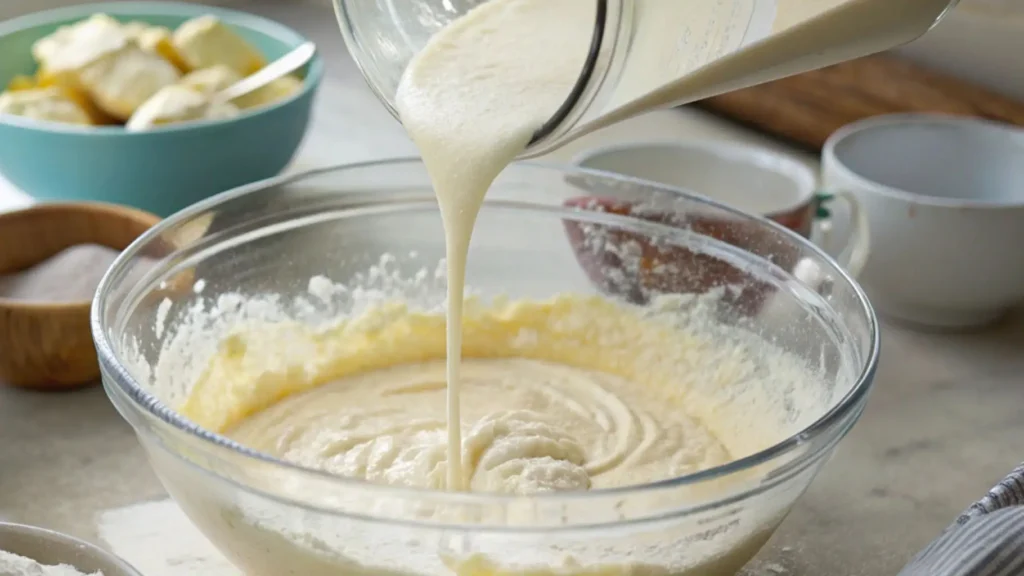
With the mixer on low (or using a spatula), add the dry ingredients in 3 additions, alternating with your buttermilk or sour cream in 2 additions:
dry → dairy → dry → dairy → dry
Mix only until the last streak of flour disappears.
Overmixing is the fastest way to lose that soft, bakery-style texture.
Bake
Spoon the batter into the prepared bundt pan and smooth the top gently.
Bake for 45–55 minutes, or until:
the top springs back lightly when touched, and
a toothpick/skewer comes out clean or with a few moist crumbs (not wet batter).
If your cake browns quickly, loosely tent with foil for the last 10–15 minutes.
Cool and release cleanly
Let the cake cool in the pan for 10–15 minutes (this helps it set and release).
Invert onto a cooling rack and lift the pan away.
Cool completely before glazing—warm cake will melt the finish instead of letting it set.
Make the ultimate lemon glaze
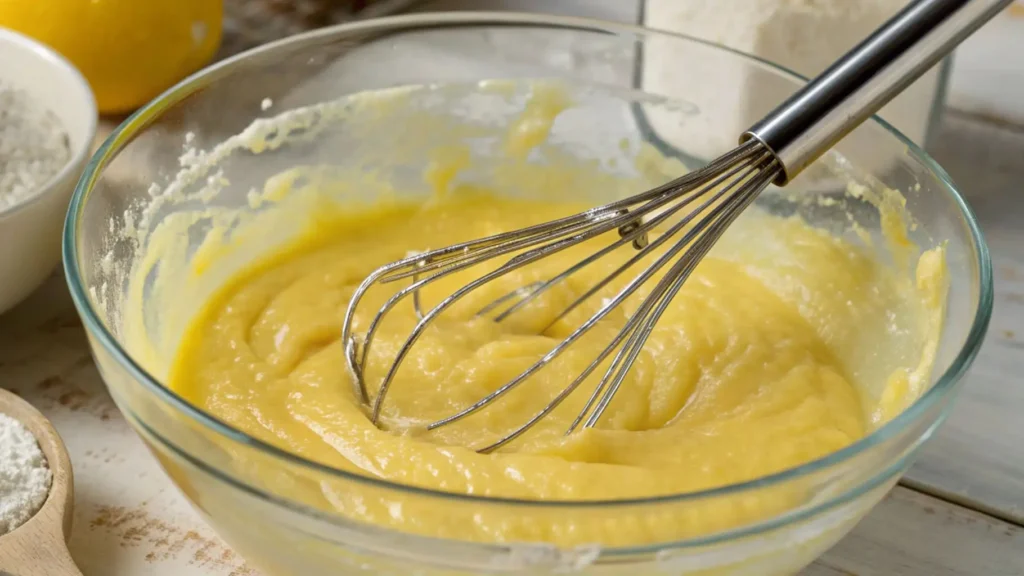
In a bowl, whisk powdered sugar with fresh lemon juice until smooth.
Adjust to your perfect texture:
Too thick? Add lemon juice ½ teaspoon at a time.
Too thin? Add a spoonful of powdered sugar.
For extra pop, stir in a pinch of zest (optional). This is your lemon glaze for bundt cake moment—bright, glossy, and irresistible.
Glaze and set
Drizzle the glaze over the fully cooled cake, letting it fall into the bundt’s curves.
Let it sit 10–20 minutes until the glaze sets to a soft sheen.
Slice, serve, and enjoy that sweet-tart finish in every bite.
Pro Tips and Variations
This lemon bundt cake recipe is already wonderfully reliable, but a few small choices can take it from “really good” to “people ask for the recipe.” Below are my go-to tips (the kind you only learn after baking a few bundts) plus variations that keep the cake fresh and fun without complicating the process.
Pro Tips for a Moist, Bakery-Style Bundt
Grease the pan like you mean it.
Bundt pans are beautiful… and sneaky. Brush or rub grease into every ridge, then dust with flour. If you’re using baking spray, choose one that includes flour for the best release.
Zest is your flavor jackpot.
Lemon zest delivers the strongest lemon aroma. If you want the cake to taste extra “lemony” without making it sour, add a little more zest—not more juice.
Measure flour the gentle way.
Spoon flour into the measuring cup and level it off. Packing flour can push your cake toward dense instead of tender.
Stop mixing earlier than you think.
Once the last streak of flour disappears, you’re done. Overmixing is a common reason a moist lemon bundt cake turns tight and dry.
Don’t chase a “super clean” toothpick.
Pull the cake when the tester comes out clean or with a few moist crumbs. Waiting for it to be bone-dry often means the cake is already overbaked.
Cool with intention for easy release.
Let the cake rest in the pan for about 10–15 minutes, then invert. Too soon and it can break; too long and it can cling.
Glaze consistency matters.
For a bold, “ultimate” finish, keep your lemon glaze for bundt cake thick enough to sit on the surface before slowly cascading down. Add lemon juice gradually so it doesn’t turn watery.
Flavor Variations (Choose Your Adventure)
Lemon Poppy Seed Bundt
Stir in poppy seeds for a classic bakery-style twist. It adds a gentle crunch and looks gorgeous against the glaze.
Lemon Blueberry Bundt
Fold in blueberries for pops of juicy sweetness. Lightly coating them in a spoonful of flour helps prevent sinking.
Cream Cheese Lemon Glaze
Want something richer? Swap part of the powdered sugar glaze for a cream cheese version—tangy, lush, and perfect if you love that “cheesecake” vibe.
Meyer Lemon Swap
If you have Meyer lemons, use them for a softer, floral citrus note. It’s still bright, just a little sweeter and less sharp.
Extra-Intense Lemon (Without Sourness)
Add a tiny touch of lemon extract for a more concentrated lemon aroma. It’s optional, but it can make your homemade lemon bundt cake taste extra vibrant.
Quick Fixes if Something Goes Sideways
Cake stuck a little?
Don’t panic. Tap the pan gently and let it sit inverted for a minute. A thin silicone spatula carefully guided along the edge can help, too.
Glaze too thin?
Whisk in more powdered sugar, a tablespoon at a time.
Glaze too thick?
Add lemon juice a few drops at a time until it drizzles smoothly.
With these tips in your back pocket, you’ll get consistent results—and plenty of ways to make this easy lemon bundt cake feel new each time you bake it.
Serving Suggestions
One of my favorite things about this lemon bundt cake recipe is how effortlessly it fits into almost any moment—casual snack, pretty brunch centerpiece, or a polished, crowd-pleasing dessert. Once the ultimate lemon glaze sets, you can keep it simple or dress it up in ways that make it feel brand new.
Simple, “Always Works” Ways to Serve It
Classic slice + coffee or tea
The bright citrus flavor plays especially well with black tea (think bergamot-style) or a bold cup of coffee.
A little chill, a lot of refreshment
Serve the cake slightly cool for a clean, zesty bite—especially nice in warmer months.
Dress-It-Up Toppings (No Fuss, Big Payoff)
Fresh berries
Strawberries, blueberries, or raspberries add color and a juicy contrast to the sweet-tart lemon glaze for bundt cake.
Whipped cream
A soft dollop makes each slice feel extra special without competing with the lemon.
Vanilla ice cream
If you want a more decadent dessert moment, this pairing turns a moist lemon bundt cake into an easy dinner-party finale.
Mint or extra zest
A tiny garnish goes a long way for photos and presentation—especially on a glossy glazed bundt.
Occasions Where This Cake Shines
Brunch spreads (right next to fruit and yogurt)
Spring and summer gatherings (it’s bright, light, and looks stunning on a platter)
Baby or bridal showers (bundt cakes photograph beautifully)
Potlucks (easy to transport, easy to slice, easy to love)
Serving Tips for Clean Slices and Best Texture
Use a serrated knife and gentle sawing motion—bundt cakes slice cleaner that way.
Wipe the knife between cuts for neat edges, especially once the glaze sets.
If you’re plating for guests, add berries after slicing so the glaze stays glossy and intact.
Whether you keep it simple or go full dessert-mode with ice cream and fruit, this homemade lemon bundt cake is the kind of bake that feels cheerful, polished, and surprisingly versatile.
Conclusion
If you’ve been searching for a lemon bundt cake recipe that feels both comforting and impressive, this one is a keeper. You get a soft, moist lemon bundt cake with bright citrus flavor, a tender crumb, and that ultimate lemon glaze that makes every slice look (and taste) bakery-worthy.
Before you tuck into the last bite, a couple of quick reminders to help you enjoy it at its best:
Let the cake cool completely before glazing so the finish sets beautifully instead of soaking in.
Store leftovers airtight to keep the crumb plush and fresh for days.
Save a little extra glaze if you love a dramatic drizzle—no one ever complains about more lemon.
If you make this homemade lemon bundt cake, I’d love for you to note your favorite variation (poppy seed, blueberries, cream cheese glaze—there are so many good directions to take it). However you serve it, it’s the kind of bright, happy dessert that fits just about any occasion.
Explore more irresistible cake recipes you won’t want to miss:

Lemon Bundt Cake Recipe with a delightful ultimate glaze
Ingredients
- Before you start mixing take a minute to gather everything. This lemon bundt cake recipe comes together smoothly when your ingredients are ready to go—especially the butter, eggs, and dairy. You’ll get a more even batter, a better rise, and that soft, moist lemon bundt cake crumb we’re aiming for.
For the Lemon Bundt Cake
- All-purpose flour – the sturdy base for a tender-yet-sliceable cake
- Baking powder + baking soda – a balanced lift for a light even crumb
- Fine salt – small amount big impact (it sharpens the lemon flavor)
- Unsalted butter room temperature – for a buttery texture and rich flavor
- Granulated sugar – sweetens and helps create a fine plush crumb
- Large eggs room temperature – structure and a smooth, stable batter
- Fresh lemon zest – the “wow” factor for bright citrus aroma
- Fresh lemon juice – adds tang and keeps the flavor vibrant
- Vanilla extract – softens the edges and rounds out the citrus
- Buttermilk or sour cream – your moisture maker for a tender crumb
- Buttermilk keeps it light and tangy
- Sour cream makes it extra rich and velvety
For the Ultimate Lemon Glaze
- Powdered sugar confectioners’ sugar – for a silky, glossy finish
- Fresh lemon juice – the main flavor driver for the lemon glaze for bundt cake
- Lemon zest optional but lovely – adds sparkle and a little texture
- Pinch of salt optional – helps the sweetness taste cleaner
- A splash of milk or cream optional – only if you want a softer, more opaque drizzle
Quick Ingredient Tips (so your cake turns out beautifully)
- Room temperature matters: butter and eggs blend more evenly giving you a smoother batter and better rise.
- Zest first then juice: it’s much easier to zest a whole lemon than a squeezed one.
- Fresh vs bottled lemon juice: fresh gives the brightest flavor; bottled can taste muted in a homemade lemon bundt cake.
- Choose your glaze vibe:
- More powdered sugar = thicker dramatic drip
- More lemon juice = thinner lighter drizzle with extra tang
- Once your ingredients are lined up you’re set up for success—and the rest of this easy lemon bundt cake will feel refreshingly straightforward.
Instructions
- Let’s make this lemon bundt cake recipe feel easy from the very first step. I’ll walk you through it the same way I would if you were baking right beside me—because a beautiful, moist lemon bundt cake is all about a few smart moves and calm, steady steps.
Prep the oven and pan
- Preheat your oven to 350°F (175°C).
- Place the rack in the center of the oven for even baking.
- Prepare your bundt pan thoroughly (this matters more than you think):
- Grease every curve and crevice well.
- Dust lightly with flour (or use a baking spray that includes flour).
- Tip out excess flour and set the pan aside.
Mix the dry ingredients
- In a medium bowl, whisk together:
- flour
- baking powder
- baking soda
- salt
- Whisking now helps your cake rise evenly later—no surprise tunnels or uneven crumb.
Cream butter and sugar for a tender crumb
- In a large mixing bowl, beat room-temperature butter and granulated sugar until light and fluffy (about 2–3 minutes).
- Pause once to scrape down the bowl—this simple step prevents dense pockets in the batter.
Add eggs, lemon, and vanilla
- Beat in the eggs one at a time, mixing just until each one disappears into the batter.
- Mix in:
- fresh lemon zest
- lemon juice
- vanilla extract
- You’ll smell the citrus bloom here—that’s how you know you’re building real lemon flavor.
Alternate dry and dairy (the key to a moist bundt)
- With the mixer on low (or using a spatula), add the dry ingredients in 3 additions, alternating with your buttermilk or sour cream in 2 additions:
- dry → dairy → dry → dairy → dry
- Mix only until the last streak of flour disappears.
- Overmixing is the fastest way to lose that soft, bakery-style texture.
Bake
- Spoon the batter into the prepared bundt pan and smooth the top gently.
- Bake for 45–55 minutes, or until:
- the top springs back lightly when touched, and
- a toothpick/skewer comes out clean or with a few moist crumbs (not wet batter).
- If your cake browns quickly, loosely tent with foil for the last 10–15 minutes.
Cool and release cleanly
- Let the cake cool in the pan for 10–15 minutes (this helps it set and release).
- Invert onto a cooling rack and lift the pan away.
- Cool completely before glazing—warm cake will melt the finish instead of letting it set.
Make the ultimate lemon glaze
- In a bowl, whisk powdered sugar with fresh lemon juice until smooth.
- Adjust to your perfect texture:
- Too thick? Add lemon juice ½ teaspoon at a time.
- Too thin? Add a spoonful of powdered sugar.
- For extra pop, stir in a pinch of zest (optional). This is your lemon glaze for bundt cake moment—bright, glossy, and irresistible.
Glaze and set
- Drizzle the glaze over the fully cooled cake, letting it fall into the bundt’s curves.
- Let it sit 10–20 minutes until the glaze sets to a soft sheen.
- Slice, serve, and enjoy that sweet-tart finish in every bite.
Notes
Nutrition Information (Per Serving)
Estimated values; will vary by exact brands and portion size.- Calories: 410
- Total Fat: 18 g
- Saturated Fat: 10 g
- Trans Fat: 0 g
- Cholesterol: 85 mg
- Sodium: 220 mg
- Total Carbohydrates: 60 g
- Dietary Fiber: 1 g
- Total Sugars: 42 g
- Added Sugars: 36 g
- Protein: 5 g
- Potassium: 120 mg
FAQs
How do I keep this lemon bundt cake moist?
The biggest keys are not overbaking and using the right moisture boosters. For a reliably moist lemon bundt cake:
Measure flour lightly (spoon and level—don’t pack it).
Mix just until combined (overmixing tightens the crumb).
Bake until the tester shows a few moist crumbs, not a perfectly dry toothpick.
Use buttermilk or sour cream for a tender, plush texture.
How do I prevent a bundt cake from sticking to the pan?
Bundt pans are all about the details. For clean release:
Grease every ridge thoroughly, then dust with flour (or use baking spray with flour).
Fill the pan evenly so it bakes uniformly.
Cool in the pan for 10–15 minutes, then invert onto a rack.
If it resists, tap the pan gently and let it sit inverted for a minute to loosen.
Can I use bottled lemon juice instead of fresh?
Yes, you can—but fresh lemon juice usually tastes brighter and cleaner in a lemon bundt cake recipe. If you use bottled juice, keep the lemon zest in the batter to boost aroma and give the cake that fresh citrus lift.
When should I add the lemon glaze?
For the best finish, glaze the cake when it’s fully cooled. If the cake is warm, the lemon glaze for bundt cake can melt and disappear into the surface instead of setting into that glossy, drizzled look.
Can I make this cake ahead of time?
Absolutely—this is a great make-ahead dessert.
Bake the cake a day early, cool completely, and store airtight.
Glaze the day you serve for the prettiest presentation, or glaze ahead if you prefer a fully set finish.
Many people find the lemon flavor tastes even better after it sits overnight.
How should I store and freeze lemon bundt cake?
Room temperature: Store airtight for a few days to keep the crumb tender.
Refrigerator: Use if you choose a cream cheese-style glaze; let slices come to room temp before serving for best texture.
Freezer: Wrap the unglazed cake (or individual slices) tightly and freeze. Thaw overnight in the fridge or at room temperature, then add the ultimate lemon glaze once thawed.
Can I bake this in a different pan?
Yes—just expect the bake time to change.
A loaf pan or tube pan can work, but you’ll want to start checking earlier and adjust as needed.
The best indicator is doneness: the cake should spring back lightly and a tester should come out clean or with a few moist crumbs.
If you have a specific pan size you’re using, I can help you estimate a more precise bake time and yield.