
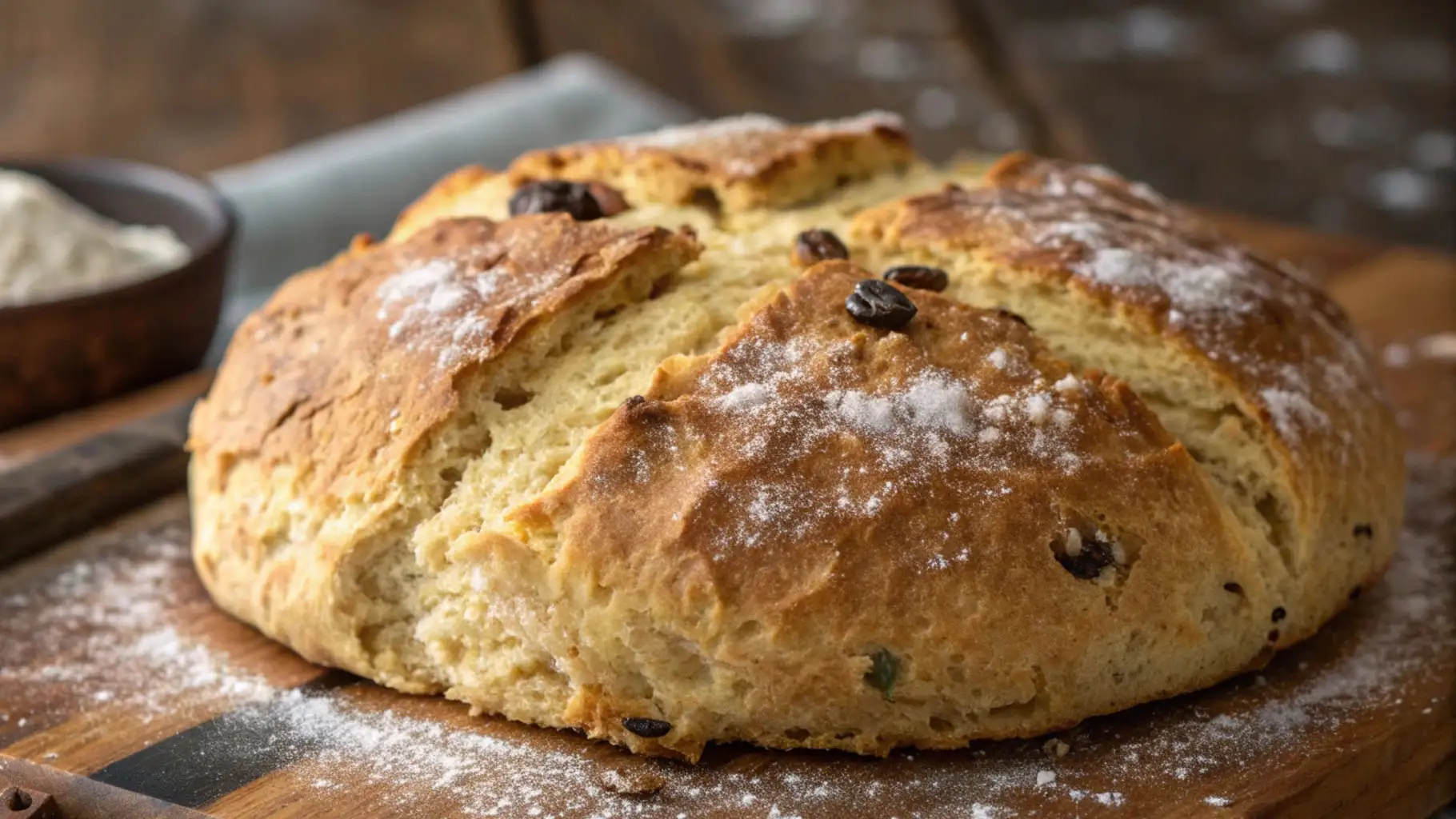
If you’ve ever wanted a warm loaf on the table without waiting for dough to rise, this irish soda bread recipe is for you. It’s a nostalgic, rustic Irish bread that comes together fast—no yeast, no fuss—just a simple quick bread made with buttermilk and baking soda leavening.
Have you tried that magical moment when the kitchen smells like a cozy bakery and the crust turns beautifully golden? You’ll love how little effort it takes: a gentle mix, minimal kneading, and a quick shape into a classic round loaf before you score a cross on top. The result is a tender crumb with that hearty, homemade feel—perfect for breakfast, soup night, or a last-minute side when you want something comforting and truly classic.
Key Benefits
There’s a reason this irish soda bread recipe feels like an instant classic: it delivers that homemade, traditional Irish soda bread comfort with almost zero waiting. If you’ve ever wanted fresh bread “right now,” this is the no yeast bread that makes it possible—reliable, fast, and wonderfully rustic.
Why you’ll love making it
Fast from bowl to oven: This is a true quick bread recipe—no proofing, no rising, no complicated steps.
Simple, pantry-friendly ingredients: Flour, salt, and the classic pairing of buttermilk with baking soda leavening do the heavy lifting.
Beginner-proof technique: The dough comes together quickly, and success depends more on gentle handling than advanced skills.
That cozy, rustic payoff: Expect a rustic Irish bread look with a golden crust and a tender, hearty crumb that tastes like home.
What makes soda bread “work” (and how that helps you)
Soda bread is built on a simple, smart reaction: acidic buttermilk activates baking soda, creating lift without yeast. That means:
You get quick, dependable rise without waiting.
The flavor has a subtle tang that keeps the loaf from tasting flat.
The method stays forgiving—as long as you avoid overworking the dough.
Versatility you’ll actually use
This loaf is a weeknight hero because it fits almost any moment:
Breakfast: Warm slices with butter and jam.
Dinner side: Perfect with soup, stew, or a simple salad.
Anytime snack: Toasted the next day for extra crunch.
A small effort with a big reward
If you can stir, shape, and bake, you can make soda bread. The key benefit is how quickly it builds confidence: a few minutes of mixing turns into a loaf that looks impressive, tastes comforting, and makes your kitchen smell like a bakery—without the time commitment of yeast doughs.
Ingredients
This irish soda bread recipe makes 1 rustic loaf (about 8 slices). Here’s exactly what you’ll need for a reliable, traditional Irish soda bread—no yeast, just classic buttermilk + baking soda leavening.
Core Ingredients (Classic Version)
4 cups (500 g) all-purpose flour, plus extra for shaping
1 tsp baking soda (fresh for best rise)
1 tsp fine salt
1 ¾ cups (420 ml) cold buttermilk, plus 1–2 tbsp as needed
Optional (Recommended for a Slightly Softer, Richer Loaf)
2 tbsp (28 g) cold unsalted butter, cut into small pieces
1–2 tbsp (12–25 g) sugar or honey (adds a gentle sweetness without turning it into dessert)
Optional Add-Ins (Pick One Style)
Sweet, bakery-style: ¾ cup (110–120 g) raisins or currants
Traditional-leaning flavor: 1 tbsp caraway seeds
Heartier crumb: Replace 1 cup (125 g) of the flour with whole wheat flour (keep buttermilk the same, add 1–2 tbsp only if dough feels dry)
Quick Ingredient Notes (So It Turns Out Right)
Measure flour lightly: Spoon into the cup and level—packed flour is a common reason soda bread turns dense.
Buttermilk is key: It provides flavor and activates the baking soda. If you must substitute, mix 1 ¾ cups (420 ml) milk with 2 tbsp lemon juice or white vinegar, rest 5–10 minutes, then use.
If the dough looks shaggy and dry: Add buttermilk 1 tbsp at a time—you want it moist, not sticky.
Instructions
This irish soda bread recipe is all about speed and gentle handling. Think “quick bread,” not “kneaded dough.” If you keep the mixing light, you’ll get that classic traditional Irish soda bread texture: tender inside, rustic outside.
1) Prep your oven and pan
Preheat the oven to 425°F (220°C).
Line a baking sheet with parchment or place a cast-iron skillet inside the oven while it heats (either works well for a rustic Irish bread crust).
Lightly flour a clean work surface.
Tip: A hot skillet helps set the crust faster, but a baking sheet is perfectly reliable.
2) Mix the dry ingredients
In a large bowl, whisk together:
4 cups (500 g) all-purpose flour
1 tsp baking soda
1 tsp fine salt
If using butter, rub it into the flour with your fingertips until the mixture looks like coarse crumbs.
Why it matters: Evenly distributing the baking soda is key for consistent baking soda leavening.
3) Add buttermilk and form a soft dough
Make a well in the center and pour in 1¾ cups (420 ml) cold buttermilk.
Stir with a fork or wooden spoon until the dough looks shaggy and just comes together.
If you see dry patches, add buttermilk 1 tablespoon at a time—stop as soon as it holds.
Don’t overmix: Overworking the dough is the fastest route to a tough loaf. This is a no yeast bread, so you’re not building gluten the same way.
4) Shape quickly (minimal handling)
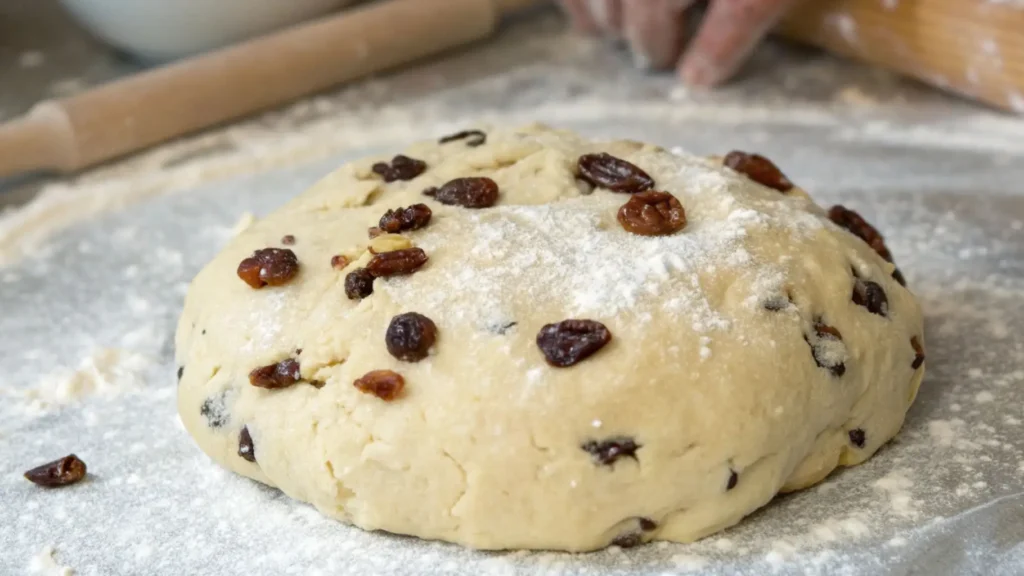
Turn the dough onto your floured surface.
Gently bring it together and pat into a round about 6–7 inches (15–18 cm) wide and 1½–2 inches (4–5 cm) thick.
If adding raisins/currants or caraway seeds, fold them in with just 2–3 quick turns—no heavy kneading.
Texture check: The dough should feel soft and slightly tacky, but not wet enough to smear.
5) Score the top (important step)
Place the round on the prepared pan/skillet.
Use a sharp knife to score a deep cross across the top (about ½ inch / 1 cm deep).
Why score? It helps the loaf expand evenly and bake through—plus it gives that classic soda bread look.
6) Bake until golden and set
Bake at 425°F (220°C) for 25 minutes.
Reduce heat to 400°F (200°C) and bake 10–15 minutes more, until deeply golden.
Doneness cues:
The loaf should sound hollow when tapped on the bottom.
The crust will look firm and richly browned.
7) Cool before slicing (worth the wait)
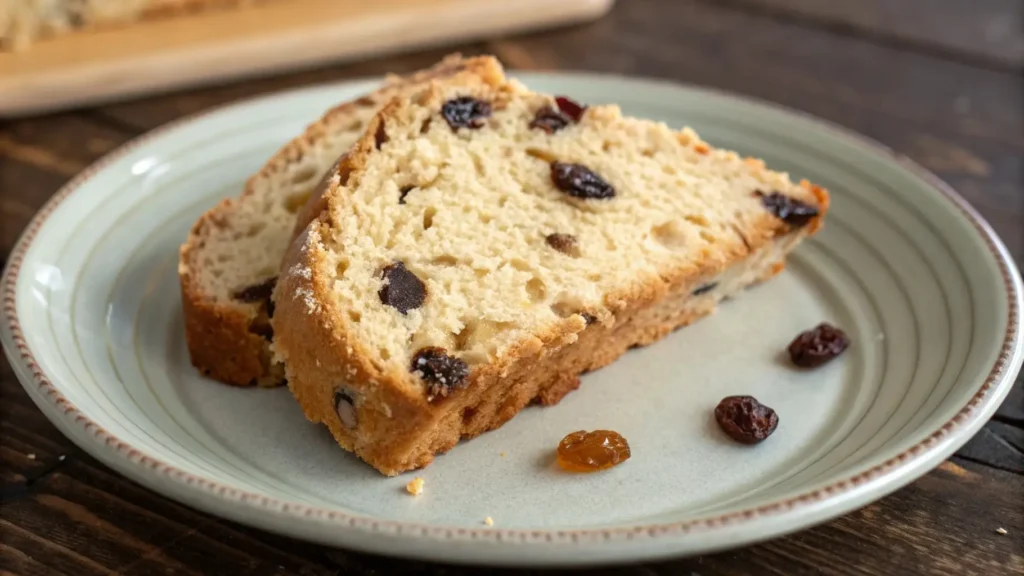
Transfer to a wire rack and cool for at least 20–30 minutes before cutting.
Tip: Slicing too early can make the crumb seem gummy. A short rest gives you a cleaner slice and a better bite—exactly what you want from a classic soda bread loaf.
Pro Tips and Variations
Soda bread is wonderfully straightforward, but a few small choices make the difference between “good” and “can’t-stop-slicing.” Use these tips to get the best results from your irish soda bread recipe, then pick a variation that fits your mood—sweet, savory, or extra hearty.
Pro Tips for the Best Traditional Texture
1) Keep it gentle (this is the #1 rule)
Soda bread is a quick bread recipe, not a kneaded dough.
Mix only until the flour disappears, then stop. Too much handling tightens the gluten and can lead to a tougher crumb.
2) Measure flour the smart way
Spoon flour into your measuring cup and level it off.
Packed flour is a common reason people wonder why soda bread is dense or dry.
3) Use fresh baking soda
Since this is a no yeast bread, your rise depends on baking soda leavening.
If your baking soda is old, the loaf can bake up flatter with less lift.
4) Buttermilk matters more than you think
Buttermilk soda bread works because the acidity activates baking soda quickly.
Cold buttermilk also helps keep the dough tender while you shape it.
5) Don’t skip the cross
Score a cross on top about ½ inch (1 cm) deep.
It encourages even expansion so the center bakes through without splitting randomly.
6) Cool before slicing
Let the loaf rest at least 20–30 minutes.
Cutting too soon traps steam and can make the crumb feel gummy.
Troubleshooting (Quick Fixes)
Bread is dense: Usually too much flour or overmixing. Next time, add buttermilk gradually and handle the dough less.
Crumb is dry: Flour may have been over-measured or the loaf baked too long. Start checking doneness a few minutes earlier.
Bitter/soapy taste: Often too much baking soda or uneven mixing. Whisk dry ingredients thoroughly before adding buttermilk.
Cracked sides: Not enough scoring or dough too dry. Score deeper and add 1–2 tbsp buttermilk if needed.
Easy Variations (Choose Your Favorite)
1) Classic Sweet (Raisins/Currants)
Fold in ¾ cup (110–120 g) raisins or currants right after the dough becomes shaggy.
Optional: add 1–2 tbsp (12–25 g) sugar or honey for a softer sweetness.
2) Savory “Rustic Irish Bread”
Add 1 tbsp caraway seeds for a traditional-leaning flavor.
Optional savory boost: stir in ½ cup (50 g) shredded cheddar (if using, keep mixing minimal).
3) Whole Wheat Version (Hearty and Nutty)
Replace 1 cup (125 g) of the all-purpose flour with whole wheat flour.
Keep buttermilk the same, adding 1–2 tbsp only if the dough feels dry.
4) Dutch Oven Option (Extra Crusty Finish)
Preheat a Dutch oven (with lid) in the oven for 20–30 minutes.
Bake covered for the first 20 minutes, then uncover to brown.
Result: deeper crust and a more pronounced rustic look.
Buttermilk Substitute (If You’re Out)
If you need a quick swap:
Mix 1¾ cups (420 ml) milk with 2 tbsp lemon juice or white vinegar, rest 5–10 minutes, then use.
It won’t taste exactly like real buttermilk, but it still supports the reaction that makes this traditional Irish soda bread rise quickly and bake up beautifully.
Serving Suggestions
One of the best things about this irish soda bread recipe is how effortlessly it fits into your day. Fresh from the oven, it’s cozy and satisfying; the next day, it toasts like a dream. Here are a few simple, delicious ways to serve this traditional Irish soda bread so it never feels “same-old.”
The Best Way to Serve It (Right After Baking)
Let it cool 20–30 minutes, then slice with a serrated knife.
Serve slightly warm with:
Salted butter (classic and unbeatable)
Jam or marmalade for a sweet contrast
Honey for a mellow, nostalgic finish
Tip: If you want that bakery feel, warm slices for 10–15 seconds, then butter immediately so it melts into the crumb.
Cozy Pairings for Lunch and Dinner
This rustic Irish bread is a natural companion to warm, hearty meals:
Soup night: tomato soup, vegetable soup, lentil soup, or creamy chowder
Stew-friendly: especially Irish stew or any slow-simmered beef or lamb dish
Simple plate: a big salad + a thick slice of soda bread (it turns a light meal into a satisfying one)
Serving trick: Tear off chunks instead of slicing for a more rustic, shareable feel—perfect for family-style dinners.
Make It a Savory Snack (Fast and Satisfying)
If you baked a plain loaf or the caraway version, try:
Cheddar + butter (quick “comfort snack”)
Herb butter or garlic butter
Smoked salmon with a squeeze of lemon (surprisingly perfect with buttermilk soda bread)
Next-Day Toast Ideas (Even Better Than Fresh)
Soda bread is a quick bread recipe, so it can firm up after day one—in a good way. Toast it and top with:
Butter + flaky salt
Peanut butter + honey
Eggs (fried or scrambled) with a little cheese
Avocado with lemon and pepper
Tip: Toasting revives the crust and brings back that “fresh baked” aroma in minutes.
Hosting or Holidays
For gatherings, serve this classic soda bread loaf as:
A bread basket centerpiece with butter, jam, and honey
A warm side for brunch boards
A cozy addition to a St. Patrick’s Day spread (especially the raisin/currant version)
No matter how you serve it, this loaf shines when you keep it simple: warm bread, good butter, and something comforting on the side.
Conclusion
If you’ve been craving a loaf that feels homemade in the best possible way, this irish soda bread recipe delivers—warm, rustic, and wonderfully reliable. It’s the kind of traditional Irish soda bread you can bake on a whim: no yeast, no waiting, just the simple magic of buttermilk and baking soda leavening coming together in minutes.
Before you go, here are the three takeaways that guarantee success:
Handle the dough lightly: minimal mixing keeps the crumb tender.
Score the cross: it helps the loaf open up and bake evenly.
Let it cool briefly: a short rest gives you cleaner slices and a better texture.
Whether you keep it classic or try a sweet or savory twist, this quick bread recipe is the kind you’ll come back to whenever you want something comforting and timeless. If you make it, slice it warm, add a little butter, and enjoy that first bite—because simple breads like this are exactly what cozy baking is all about.
Explore more irresistible bread recipes you won’t want to miss:
Irish Soda Bread Recipe Nostalgic Ultimate Classic
Ingredients
- This irish soda bread recipe makes 1 rustic loaf about 8 slices. Here’s exactly what you’ll need for a reliable, traditional Irish soda bread—no yeast, just classic buttermilk + baking soda leavening.
Core Ingredients (Classic Version)
- 4 cups 500 g all-purpose flour, plus extra for shaping
- 1 tsp baking soda fresh for best rise
- 1 tsp fine salt
- 1 ¾ cups 420 ml cold buttermilk, plus 1–2 tbsp as needed
Optional (Recommended for a Slightly Softer, Richer Loaf)
- 2 tbsp 28 g cold unsalted butter, cut into small pieces
- 1 –2 tbsp 12–25 g sugar or honey (adds a gentle sweetness without turning it into dessert)
Optional Add-Ins (Pick One Style)
- Sweet bakery-style: ¾ cup (110–120 g) raisins or currants
- Traditional-leaning flavor: 1 tbsp caraway seeds
- Heartier crumb: Replace 1 cup 125 g of the flour with whole wheat flour (keep buttermilk the same, add 1–2 tbsp only if dough feels dry)
Quick Ingredient Notes (So It Turns Out Right)
- Measure flour lightly: Spoon into the cup and level—packed flour is a common reason soda bread turns dense.
- Buttermilk is key: It provides flavor and activates the baking soda. If you must substitute mix 1 ¾ cups (420 ml) milk with 2 tbsp lemon juice or white vinegar, rest 5–10 minutes, then use.
- If the dough looks shaggy and dry: Add buttermilk 1 tbsp at a time—you want it moist not sticky.
Instructions
- This irish soda bread recipe is all about speed and gentle handling. Think “quick bread,” not “kneaded dough.” If you keep the mixing light, you’ll get that classic traditional Irish soda bread texture: tender inside, rustic outside.
Prep your oven and pan
- Preheat the oven to 425°F (220°C).
- Line a baking sheet with parchment or place a cast-iron skillet inside the oven while it heats (either works well for a rustic Irish bread crust).
- Lightly flour a clean work surface.
- Tip: A hot skillet helps set the crust faster, but a baking sheet is perfectly reliable.
Mix the dry ingredients
- In a large bowl, whisk together:
- 4 cups (500 g) all-purpose flour
- 1 tsp baking soda
- 1 tsp fine salt
- If using butter, rub it into the flour with your fingertips until the mixture looks like coarse crumbs.
- Why it matters: Evenly distributing the baking soda is key for consistent baking soda leavening.
Add buttermilk and form a soft dough
- Make a well in the center and pour in 1¾ cups (420 ml) cold buttermilk.
- Stir with a fork or wooden spoon until the dough looks shaggy and just comes together.
- If you see dry patches, add buttermilk 1 tablespoon at a time—stop as soon as it holds.
- Don’t overmix: Overworking the dough is the fastest route to a tough loaf. This is a no yeast bread, so you’re not building gluten the same way.
Shape quickly (minimal handling)
- Turn the dough onto your floured surface.
- Gently bring it together and pat into a round about 6–7 inches (15–18 cm) wide and 1½–2 inches (4–5 cm) thick.
- If adding raisins/currants or caraway seeds, fold them in with just 2–3 quick turns—no heavy kneading.
- Texture check: The dough should feel soft and slightly tacky, but not wet enough to smear.
Score the top (important step)
- Place the round on the prepared pan/skillet.
- Use a sharp knife to score a deep cross across the top (about ½ inch / 1 cm deep).
- Why score? It helps the loaf expand evenly and bake through—plus it gives that classic soda bread look.
Bake until golden and set
- Bake at 425°F (220°C) for 25 minutes.
- Reduce heat to 400°F (200°C) and bake 10–15 minutes more, until deeply golden.
- Doneness cues:
- The loaf should sound hollow when tapped on the bottom.
- The crust will look firm and richly browned.
Cool before slicing (worth the wait)
- Transfer to a wire rack and cool for at least 20–30 minutes before cutting.
- Tip: Slicing too early can make the crumb seem gummy. A short rest gives you a cleaner slice and a better bite—exactly what you want from a classic soda bread loaf.
Notes
Nutrition Information (Per Serving)
(Estimated for the classic version, without optional add-ins like butter, sugar, raisins, or cheese.)- Calories: 250 kcal
- Total Fat: 1.1 g
- Saturated Fat: 0.3 g
- Cholesterol: 2 mg
- Sodium: 508 mg
- Carbohydrates: 50.3 g
- Fiber: 1.7 g
- Total Sugars: 2.8 g
- Added Sugars: 0 g
- Protein: 8.2 g
FAQs
1) Can I make this irish soda bread recipe without buttermilk?
Yes. While real buttermilk gives the best flavor and texture, you can use a quick substitute:
Mix 1¾ cups (420 ml) milk with 2 tbsp lemon juice or white vinegar
Let it sit 5–10 minutes, then use as directed
It will still support the reaction that makes this no yeast bread rise.
2) Why is my soda bread dense?
Dense soda bread usually comes from one of these issues:
Too much flour: scoop-and-pack measuring adds extra flour quickly
Overmixing: toughens the crumb in a quick bread recipe
Old baking soda: weaker baking soda leavening means less lift
Fix: measure flour lightly, mix only until combined, and use fresh baking soda.
3) Do I need to knead soda bread?
Not really. A few gentle turns to bring the dough together is enough.
Traditional buttermilk soda bread is meant to be handled minimally—kneading too much can make it chewy or dry.
4) Can I use baking powder instead of baking soda?
This recipe is designed for baking soda because it reacts with acidic buttermilk. If you only have baking powder, the rise and flavor will change. For the most classic traditional Irish soda bread result, stick with baking soda.
5) What does scoring a cross on top actually do?
Scoring helps the loaf expand in a controlled way so it bakes evenly. It also reduces random cracking on the sides and creates that iconic rustic look.
6) Can I add raisins or currants?
Absolutely. For a lightly sweet version:
Fold in ¾ cup (110–120 g) raisins or currants after the dough is shaggy
Keep mixing minimal so the crumb stays tender.
7) How do I store soda bread to keep it fresh?
Soda bread is best the day it’s baked, but you can keep it tasty for a few days:
Store at room temp in a bread bag or loosely wrapped (tight sealing can soften the crust)
If your kitchen is warm, store it wrapped and slice as needed
8) Can I freeze soda bread?
Yes, and it freezes very well:
Cool completely, then wrap tightly and freeze up to 2–3 months
For easy breakfasts, slice before freezing so you can toast straight from frozen
9) When should I slice it?
Let the loaf cool 20–30 minutes before cutting. Slicing too early traps steam and can make the crumb seem gummy, even when it’s fully baked.
10) Can I make it whole wheat?
Yes. For a heartier loaf:
Replace 1 cup (125 g) of all-purpose flour with whole wheat flour
If the dough feels dry, add buttermilk 1 tbsp at a time—just enough to bring it together.