
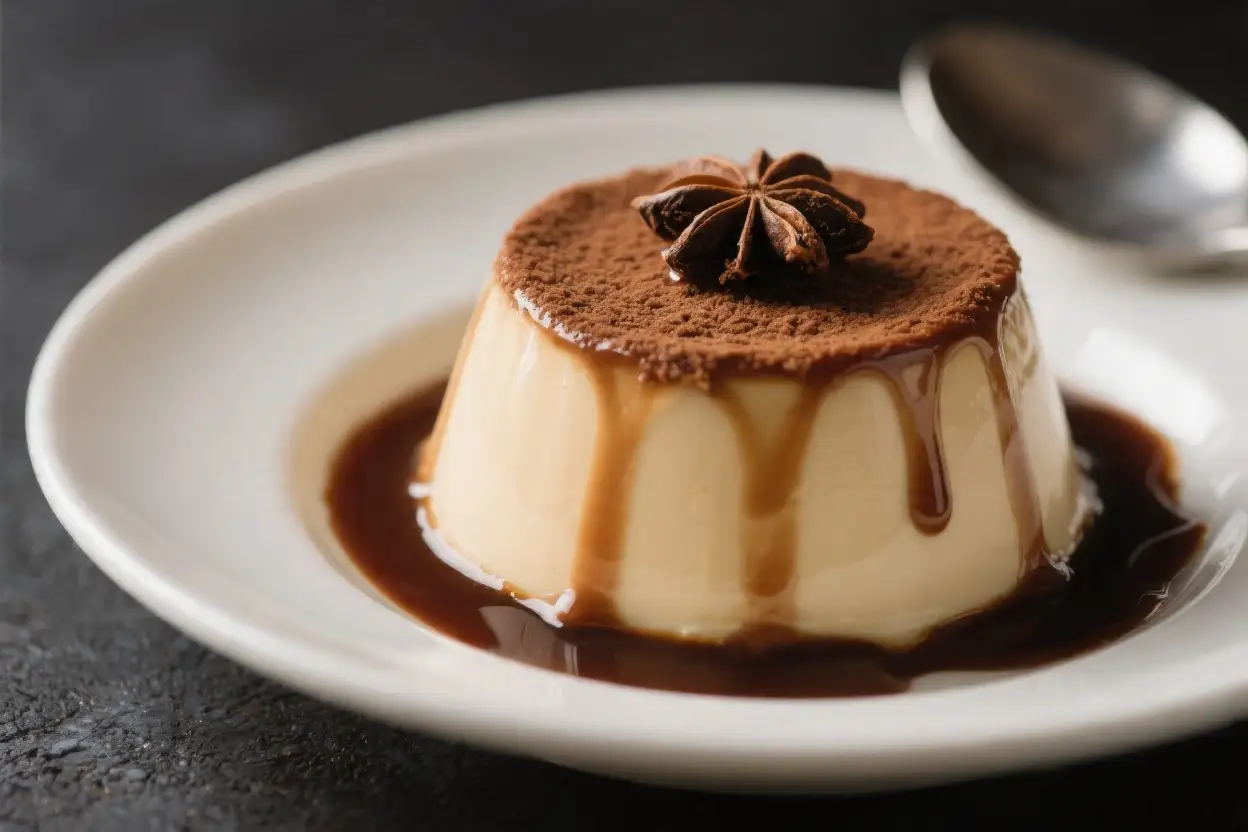
If you love the flavor of a great espresso and the smooth texture of a custard, this dessert brings both together in the best way. Espresso panna cotta is creamy, lightly sweet, and deeply aromatic, with a clean finish that makes it perfect after dinner. It looks elegant but is surprisingly easy to make at home.
You don’t need special tools, just a saucepan and a few small cups or ramekins. Once it’s chilled, top it with a little whipped cream or shaved chocolate and you’re set.
Why This Recipe Works
Panna cotta relies on gelatin, which sets the cream without eggs. That means you get a silky, delicate texture without fussing over a custard.
Strong espresso balances the richness, so the dessert tastes bold but not heavy. A touch of vanilla rounds out the coffee notes, while a small pinch of salt keeps the flavors bright. And because it’s served cold, you can make it ahead and focus on the rest of your meal.
Shopping List
- Heavy cream: For that classic silky texture.
- Whole milk: Lightens the cream so it’s not too rich.
- Espresso: Freshly brewed, strong; or use concentrated coffee.
- Granulated sugar: Sweetens without overpowering the coffee.
- Unflavored powdered gelatin: The setting agent.
- Vanilla extract or vanilla bean paste: Adds warmth and depth.
- Fine sea salt: Just a pinch to sharpen the flavors.
- Optional toppings: Lightly sweetened whipped cream, chocolate shavings, cocoa powder, crushed biscotti, or a drizzle of caramel.
Step-by-Step Instructions
- Bloom the gelatin. In a small bowl, sprinkle 2 1/4 teaspoons (one packet) unflavored gelatin over 3 tablespoons cold whole milk.
Let it sit for 5–10 minutes until the surface looks wrinkled and the gelatin has absorbed the liquid.
- Brew strong espresso. Pull 2–3 shots (about 1/2 cup total). If you don’t have an espresso machine, use very strong coffee made with an Aeropress, moka pot, or instant espresso powder mixed per package strength. Set aside.
- Warm the dairy and sugar. In a medium saucepan, combine 1 1/2 cups heavy cream, the remaining 1/2 cup whole milk, and 1/3 cup sugar.
Add a small pinch of salt. Heat over medium, stirring, until the sugar dissolves and the mixture is steaming. Don’t let it boil.
- Add the bloomed gelatin. Remove the pan from heat.
Add the gelatin-milk mixture and whisk until fully dissolved. If you see any tiny granules, keep whisking gently until the liquid is smooth.
- Stir in espresso and vanilla. Whisk in the warm espresso and 1 teaspoon vanilla extract. Taste and adjust: add a little more sugar if you prefer sweeter, or a splash more espresso if you want it bolder.
Keep in mind the flavors will mellow slightly once chilled.
- Strain for silkiness. For the smoothest texture, pour the mixture through a fine-mesh sieve into a large measuring cup with a spout. This catches any undissolved bits.
- Pour into molds. Divide among 6 small ramekins, espresso cups, or clear glasses. Wipe any drips from the sides for a neat finish.
- Chill to set. Let the panna cotta cool at room temperature for 15–20 minutes.
Cover each cup lightly with plastic wrap and refrigerate for 4–6 hours, or until set with a gentle wobble.
- Add toppings and serve. Top with a dollop of lightly sweetened whipped cream, a dusting of cocoa, or shaved dark chocolate. Serve cold.
- Optional unmolding. If you want to serve it free-standing, run a thin knife around the edge, dip the ramekin briefly in warm water, and invert onto a plate. Work quickly so it keeps its shape.
Keeping It Fresh
Panna cotta keeps well for up to 3 days in the fridge.
Cover each cup tightly to prevent fridge odors from seeping in. Add toppings right before serving so they stay fresh and airy. If the surface dries slightly, a thin layer of whipped cream or a drizzle of caramel hides it nicely.
Avoid freezing; the texture can turn grainy once thawed.
Why This is Good for You
This dessert is indulgent, but a small serving goes a long way thanks to its strong coffee flavor. Gelatin provides a bit of protein and gives structure without heavy egg yolks. Using part milk instead of all cream keeps it balanced while staying silky.
Coffee naturally contains antioxidants, and the bitterness of espresso helps you enjoy sweetness in moderation. You can also control the sugar, keeping it light while still satisfying.
Pitfalls to Watch Out For
- Boiling the mixture: High heat can weaken gelatin and create a rubbery set. Keep it just below a simmer.
- Skipping the bloom: Adding dry gelatin straight to hot liquid can cause clumps.
Always bloom in cold milk first.
- Too much coffee: Overloading with espresso can turn the panna cotta harsh and mask the creaminess. Aim for balance.
- Rushing the chill: It needs several hours to set. If it’s runny, it simply hasn’t chilled long enough.
- Unmolding too warm: Warm water helps release it, but too hot or too long will melt the edges.
Dip for just a few seconds.
Variations You Can Try
- Mocha Panna Cotta: Whisk in 2 tablespoons unsweetened cocoa powder when warming the cream. Add a few more teaspoons of sugar to balance the cocoa.
- Salted Caramel Swirl: Drizzle a spoonful of warm caramel into each cup before pouring the panna cotta. Finish with a tiny pinch of flaky salt.
- Vanilla Bean Espresso: Split a vanilla bean and steep it in the warm cream.
Scrape in the seeds for visible specks and layered aroma.
- Maple Sweetened: Replace half the sugar with pure maple syrup and reduce the milk by 1 tablespoon to keep the texture firm.
- Dairy-Light Version: Use 1 cup heavy cream and 1 cup whole milk. Increase gelatin slightly (by 1/4 teaspoon) to maintain the set.
- Amaretto or Irish Cream: Add 1–2 tablespoons of your favorite liqueur with the vanilla. It pairs beautifully with coffee notes.
- Coconut Espresso: Swap the milk for full-fat coconut milk and use 1 cup heavy cream + 1 cup coconut milk.
The subtle coconut lifts the espresso.
Explore more irresistible recipes you won’t want to miss:
FAQ
Can I make this without gelatin?
Yes. You can use agar-agar powder for a vegetarian option. Use about 1 teaspoon agar-agar powder, simmer it in the dairy for a couple of minutes to activate, then proceed.
Note that agar sets firmer and less creamy, so expect a slightly different texture.
What if I don’t have espresso?
Use very strong coffee from a moka pot, Aeropress, or French press. Alternatively, dissolve instant espresso powder in hot water to reach a bold, concentrated flavor. Aim for the intensity of espresso, not regular drip coffee.
How firm should panna cotta be?
It should hold its shape but have a soft wobble when you jiggle the cup.
If it’s overly firm and bouncy, you used too much gelatin or boiled the mixture. If it’s too loose, it needs more time to chill or slightly more gelatin next time.
Can I reduce the sugar?
Absolutely. You can drop the sugar to 1/4 cup without losing texture.
The coffee will taste more pronounced and slightly bitter, so balance with a touch of whipped cream or a sweet topping.
How do I prevent a skin from forming on top?
Let the mixture cool a bit, then press plastic wrap directly onto the surface before chilling. Remove it right before serving and add toppings to keep it looking smooth.
What size servings work best?
Small is ideal. Use 4–6 ounce cups or ramekins.
The coffee flavor is concentrated, so modest portions feel perfectly satisfying.
Can I make it ahead for a party?
Yes, and it’s a great make-ahead dessert. Prepare it one to two days in advance, keep it covered in the fridge, and add toppings just before serving for the best texture and look.
Final Thoughts
This espresso panna cotta is simple, elegant, and full of character. The creamy base and bold coffee create a dessert that tastes like a well-made latte in custard form.
It’s easy enough for a weeknight and polished enough for guests. Keep your technique gentle, let it chill fully, and finish with a light, pretty topping. You’ll have a go-to dessert that always delivers.
Espresso Panna Cotta Creamy Coffee Dessert Recipe – Silky, Simple, And Satisfying
Ingredients
- Heavy cream: For that classic silky texture.
- Whole milk: Lightens the cream so it’s not too rich.
- Espresso: Freshly brewed, strong; or use concentrated coffee.
- Granulated sugar: Sweetens without overpowering the coffee.
- Unflavored powdered gelatin: The setting agent.
- Vanilla extract or vanilla bean paste: Adds warmth and depth.
- Fine sea salt: Just a pinch to sharpen the flavors.
- Optional toppings: Lightly sweetened whipped cream, chocolate shavings, cocoa powder, crushed biscotti, or a drizzle of caramel.
Instructions
- Bloom the gelatin. In a small bowl, sprinkle 2 1/4 teaspoons (one packet) unflavored gelatin over 3 tablespoons cold whole milk.Let it sit for 5–10 minutes until the surface looks wrinkled and the gelatin has absorbed the liquid.
- Brew strong espresso. Pull 2–3 shots (about 1/2 cup total). If you don’t have an espresso machine, use very strong coffee made with an Aeropress, moka pot, or instant espresso powder mixed per package strength. Set aside.
- Warm the dairy and sugar. In a medium saucepan, combine 1 1/2 cups heavy cream, the remaining 1/2 cup whole milk, and 1/3 cup sugar.Add a small pinch of salt. Heat over medium, stirring, until the sugar dissolves and the mixture is steaming. Don’t let it boil.
- Add the bloomed gelatin. Remove the pan from heat.Add the gelatin-milk mixture and whisk until fully dissolved. If you see any tiny granules, keep whisking gently until the liquid is smooth.
- Stir in espresso and vanilla. Whisk in the warm espresso and 1 teaspoon vanilla extract. Taste and adjust: add a little more sugar if you prefer sweeter, or a splash more espresso if you want it bolder.Keep in mind the flavors will mellow slightly once chilled.
- Strain for silkiness. For the smoothest texture, pour the mixture through a fine-mesh sieve into a large measuring cup with a spout. This catches any undissolved bits.
- Pour into molds. Divide among 6 small ramekins, espresso cups, or clear glasses. Wipe any drips from the sides for a neat finish.
- Chill to set. Let the panna cotta cool at room temperature for 15–20 minutes.Cover each cup lightly with plastic wrap and refrigerate for 4–6 hours, or until set with a gentle wobble.
- Add toppings and serve. Top with a dollop of lightly sweetened whipped cream, a dusting of cocoa, or shaved dark chocolate. Serve cold.
- Optional unmolding. If you want to serve it free-standing, run a thin knife around the edge, dip the ramekin briefly in warm water, and invert onto a plate. Work quickly so it keeps its shape.