
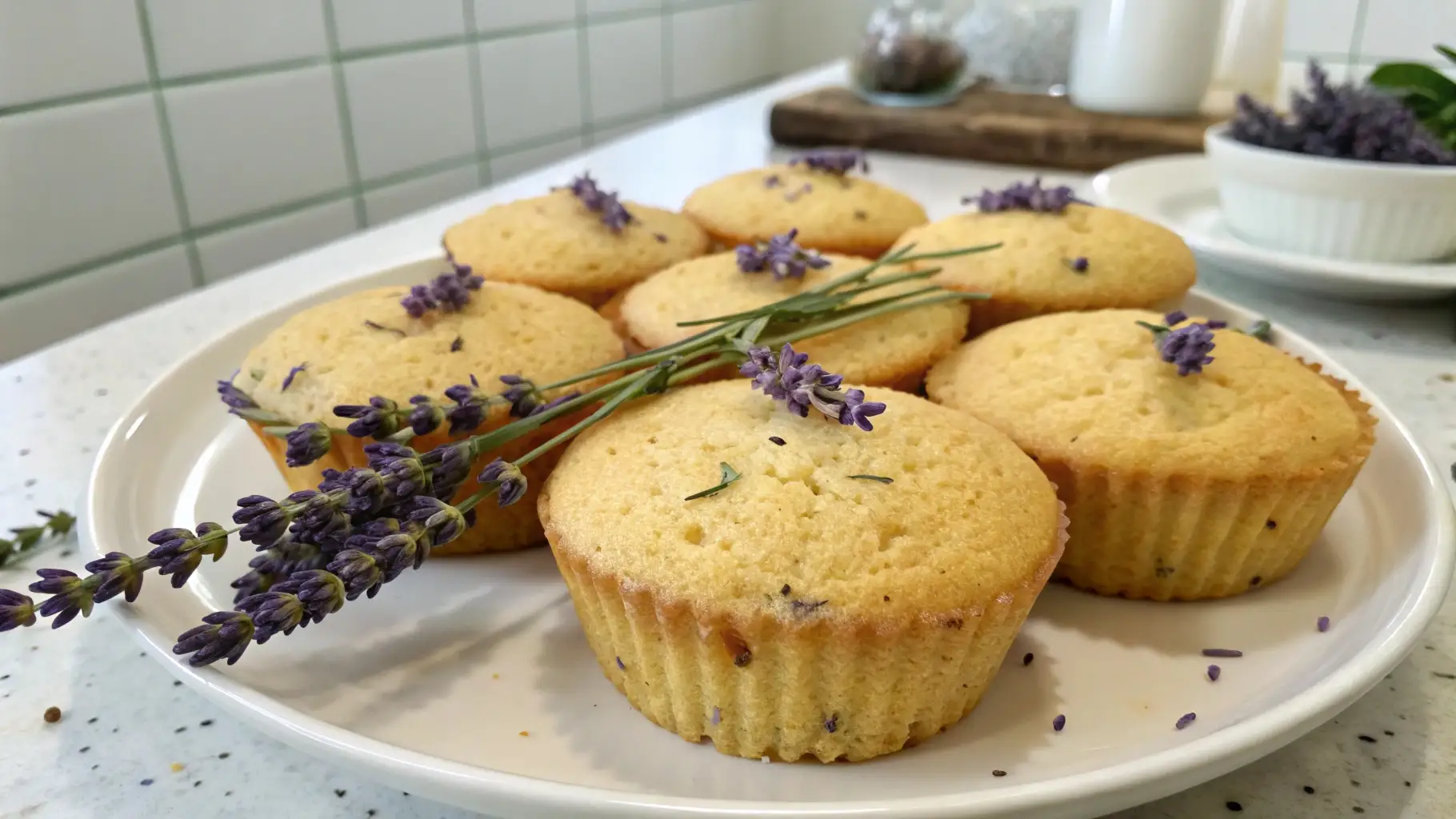
Lavender tea cakes feel like a little luxury you can make at home. They’re soft, buttery, lightly sweet, and perfumed with the gentle floral notes of culinary lavender. These dainty cakes are perfect for an afternoon tea, a bridal shower, or a slow Sunday with a good book.
The flavor is subtle, not soapy, and the texture is tender with a fine crumb. Once you try them, you’ll wonder why you didn’t start baking with lavender sooner.
What Makes This Recipe So Good
- Balanced flavor: Lavender can be overpowering, but this recipe uses just enough to bring a calm, floral aroma without tasting perfumy.
- Elegant but easy: No fancy equipment is required, and the batter comes together quickly with basic baking steps.
- Perfect tea-time size: Baked in a mini muffin pan or a small tea cake mold, they’re portioned for a refined bite.
- Moist and tender crumb: Sour cream (or yogurt) keeps the cakes soft, while butter adds rich flavor.
- Make-ahead friendly: They keep well for a couple of days and freeze beautifully.
Ingredients
- 1/2 cup (115 g) unsalted butter, softened
- 3/4 cup (150 g) granulated sugar
- 2 large eggs, room temperature
- 1 1/2 cups (180 g) all-purpose flour
- 1 1/2 tsp baking powder
- 1/4 tsp fine sea salt
- 1/2 cup (120 g) sour cream or plain Greek yogurt, room temperature
- 1/4 cup (60 ml) milk, room temperature (whole milk preferred)
- 1 tsp pure vanilla extract
- 1–1 1/2 tsp culinary dried lavender buds, finely crushed (food-grade only)
- Optional Lemon Glaze: 1 cup (120 g) powdered sugar, 2–3 tbsp fresh lemon juice, 1 tsp lemon zest
- Optional Dusting: Powdered sugar
Step-by-Step Instructions
- Prep your pan and oven: Preheat the oven to 350°F (175°C). Grease a mini muffin pan or tea cake pan and lightly flour it, or line with mini paper cups.
This helps release the cakes cleanly.
- Crush the lavender: Measure the lavender buds and crush them gently with a mortar and pestle or between your fingers. You want small pieces to release aroma without leaving big, chewy bits.
- Cream butter and sugar: In a mixing bowl, beat the softened butter and sugar together for 2–3 minutes until pale and fluffy. Proper creaming traps air and makes tender cakes.
- Add eggs and vanilla: Beat in the eggs one at a time until fully incorporated.
Mix in the vanilla. Scrape the bowl so everything blends evenly.
- Mix dry ingredients: In a separate bowl, whisk flour, baking powder, salt, and crushed lavender. This spreads the lavender uniformly so every bite is balanced.
- Combine wet and dry: Add half the dry mixture to the butter mixture and mix on low just to combine.
Stir in the sour cream and milk. Add the remaining dry ingredients and mix until no dry streaks remain. Do not overmix.
- Portion the batter: Spoon the batter into the prepared pan, filling each well about 3/4 full.
A small cookie scoop makes this quick and neat.
- Bake: Bake for 12–15 minutes, or until the tops spring back when lightly pressed and a toothpick comes out clean. The edges should be pale golden.
- Cool: Let the cakes rest in the pan for 5 minutes, then transfer to a wire rack to cool completely. Warm cakes are delicate, so handle gently.
- Glaze or dust: For a lemon glaze, whisk powdered sugar with lemon juice and zest until smooth and pourable.
Dip or drizzle over cooled cakes and let set for 15 minutes. Or simply dust with powdered sugar.
Keeping It Fresh
- Room temperature: Store in an airtight container for up to 2 days. Add a small piece of bread or a sugar cube to the container to help maintain moisture.
- Refrigeration: Not necessary unless your kitchen is very warm or the cakes are glazed.
If chilled, bring to room temp before serving for best texture.
- Freezing: Freeze unglazed cakes in a single layer until firm, then transfer to a freezer bag for up to 2 months. Thaw at room temp and glaze just before serving.
- Reviving texture: If they feel a bit dry, a 5-minute rest in a sealed container with a lightly damp paper towel nearby (not touching) helps restore softness.
Health Benefits
- Calming aroma: Lavender’s scent is known for its soothing qualities, which can promote relaxation and a gentle sense of calm during your tea break.
- Portion control: Small tea cakes naturally encourage mindful portions, making them a lighter choice than a big slice of cake.
- Balanced ingredients: Using yogurt or sour cream adds protein and helps reduce the need for extra fat while keeping moisture high.
- Less frosting, more flavor: A light lemon glaze or dusting of sugar keeps overall sweetness in check compared to heavy buttercreams.
What Not to Do
- Don’t use non-culinary lavender: Only use food-grade dried lavender. Decorative or craft lavender can be treated with chemicals and tastes harsh.
- Don’t overdo the lavender: More is not better.
Too much turns the cakes bitter and soapy. Stick to the measured amount and taste a pinch of the buds—if they’re strong, use the lower end.
- Don’t overmix the batter: Overmixing creates tough cakes. Stop as soon as the flour disappears.
- Don’t bake too long: These small cakes go from perfect to dry quickly.
Start checking at 12 minutes.
- Don’t glaze while hot: Warm cakes will melt the glaze and make it runny and patchy. Cool fully first.
Recipe Variations
- Lemon-Lavender Tea Cakes: Add 1 tbsp lemon zest to the batter and finish with the lemon glaze for a bright, sunny note.
- Honey-Lavender: Replace 2–3 tbsp of the sugar with honey. Add an extra tablespoon of flour to balance moisture.
Drizzle with a thin honey glaze.
- Almond-Lavender: Add 1/2 tsp almond extract and swap 1/4 cup of flour for 1/4 cup finely ground almonds for a delicate nuttiness.
- Earl Grey-Lavender: Infuse the milk with 1 Earl Grey tea bag for 10 minutes, then cool to room temperature before adding to the batter.
- Gluten-Free: Use a 1:1 gluten-free baking blend with xanthan gum. Let the batter rest 10 minutes before baking for better hydration.
- Dairy-Free: Use a neutral dairy-free butter and unsweetened coconut yogurt, plus your favorite plant milk. Add 1 tsp lemon juice to the milk for tang.
Explore more irresistible cake recipes you won’t want to miss:
FAQ
How do I make sure the lavender flavor isn’t too strong?
Use culinary-grade lavender and measure carefully.
Start with 1 teaspoon if you’re cautious. Crushing the buds releases flavor evenly, and pairing with vanilla or lemon keeps the profile soft and balanced.
Can I bake these in a regular muffin pan?
Yes, but adjust the bake time to 16–20 minutes and fill each well about halfway. You’ll get fewer, larger cakes with a slightly different texture, but the flavor will still shine.
What if I don’t have sour cream?
Plain Greek yogurt works well.
If using regular yogurt, choose a thicker style, or strain it briefly so the batter doesn’t get too loose.
Do I need to sift the powdered sugar for the glaze?
Sifting helps avoid lumps and gives a glossy finish. If you’re short on time, whisk vigorously and add a few drops of warm water until smooth.
Can I decorate them for a party?
Absolutely. Drizzle the glaze, then top with a few tiny lavender buds or a small strip of lemon zest.
Keep decorations minimal so the cakes look elegant, not busy.
How do I know when they’re done?
Look for a light golden edge and a springy top. A toothpick should come out clean or with a few moist crumbs. If they’re browning quickly, your oven may run hot—check early.
Is fresh lavender okay to use?
You can, but it’s stronger and holds more moisture.
Use about half the amount, chop very finely, and make sure it hasn’t been treated with any chemicals.
Can I reduce the sugar?
You can cut back by 2–3 tablespoons without hurting the texture. Any more and the crumb may turn dry, so consider adding a touch more yogurt to compensate.
In Conclusion
Lavender tea cakes bring charm and calm to any afternoon spread. They’re simple to bake, beautifully scented, and just sweet enough to feel special.
With a bright lemon glaze or a dusting of sugar, they feel elegant without any fuss. Brew a pot of tea, set out these little gems, and enjoy a quiet, fragrant moment that tastes like sunshine.
Lavender Tea Cakes Recipe for Elegant Afternoon Treats – Delicate, Fragrant, and Simple
Ingredients
- 1/2 cup (115 g) unsalted butter, softened
- 3/4 cup (150 g) granulated sugar
- 2 large eggs, room temperature
- 1 1/2 cups (180 g) all-purpose flour
- 1 1/2 tsp baking powder
- 1/4 tsp fine sea salt
- 1/2 cup (120 g) sour cream or plain Greek yogurt, room temperature
- 1/4 cup (60 ml) milk, room temperature (whole milk preferred)
- 1 tsp pure vanilla extract
- 1–1 1/2 tsp culinary dried lavender buds, finely crushed (food-grade only)
- Optional Lemon Glaze: 1 cup (120 g) powdered sugar, 2–3 tbsp fresh lemon juice, 1 tsp lemon zest
- Optional Dusting: Powdered sugar
Instructions
- Prep your pan and oven: Preheat the oven to 350°F (175°C). Grease a mini muffin pan or tea cake pan and lightly flour it, or line with mini paper cups.This helps release the cakes cleanly.
- Crush the lavender: Measure the lavender buds and crush them gently with a mortar and pestle or between your fingers. You want small pieces to release aroma without leaving big, chewy bits.
- Cream butter and sugar: In a mixing bowl, beat the softened butter and sugar together for 2–3 minutes until pale and fluffy. Proper creaming traps air and makes tender cakes.
- Add eggs and vanilla: Beat in the eggs one at a time until fully incorporated.Mix in the vanilla. Scrape the bowl so everything blends evenly.
- Mix dry ingredients: In a separate bowl, whisk flour, baking powder, salt, and crushed lavender. This spreads the lavender uniformly so every bite is balanced.
- Combine wet and dry: Add half the dry mixture to the butter mixture and mix on low just to combine.Stir in the sour cream and milk. Add the remaining dry ingredients and mix until no dry streaks remain. Do not overmix.
- Portion the batter: Spoon the batter into the prepared pan, filling each well about 3/4 full.A small cookie scoop makes this quick and neat.
- Bake: Bake for 12–15 minutes, or until the tops spring back when lightly pressed and a toothpick comes out clean. The edges should be pale golden.
- Cool: Let the cakes rest in the pan for 5 minutes, then transfer to a wire rack to cool completely. Warm cakes are delicate, so handle gently.
- Glaze or dust: For a lemon glaze, whisk powdered sugar with lemon juice and zest until smooth and pourable.Dip or drizzle over cooled cakes and let set for 15 minutes. Or simply dust with powdered sugar.