
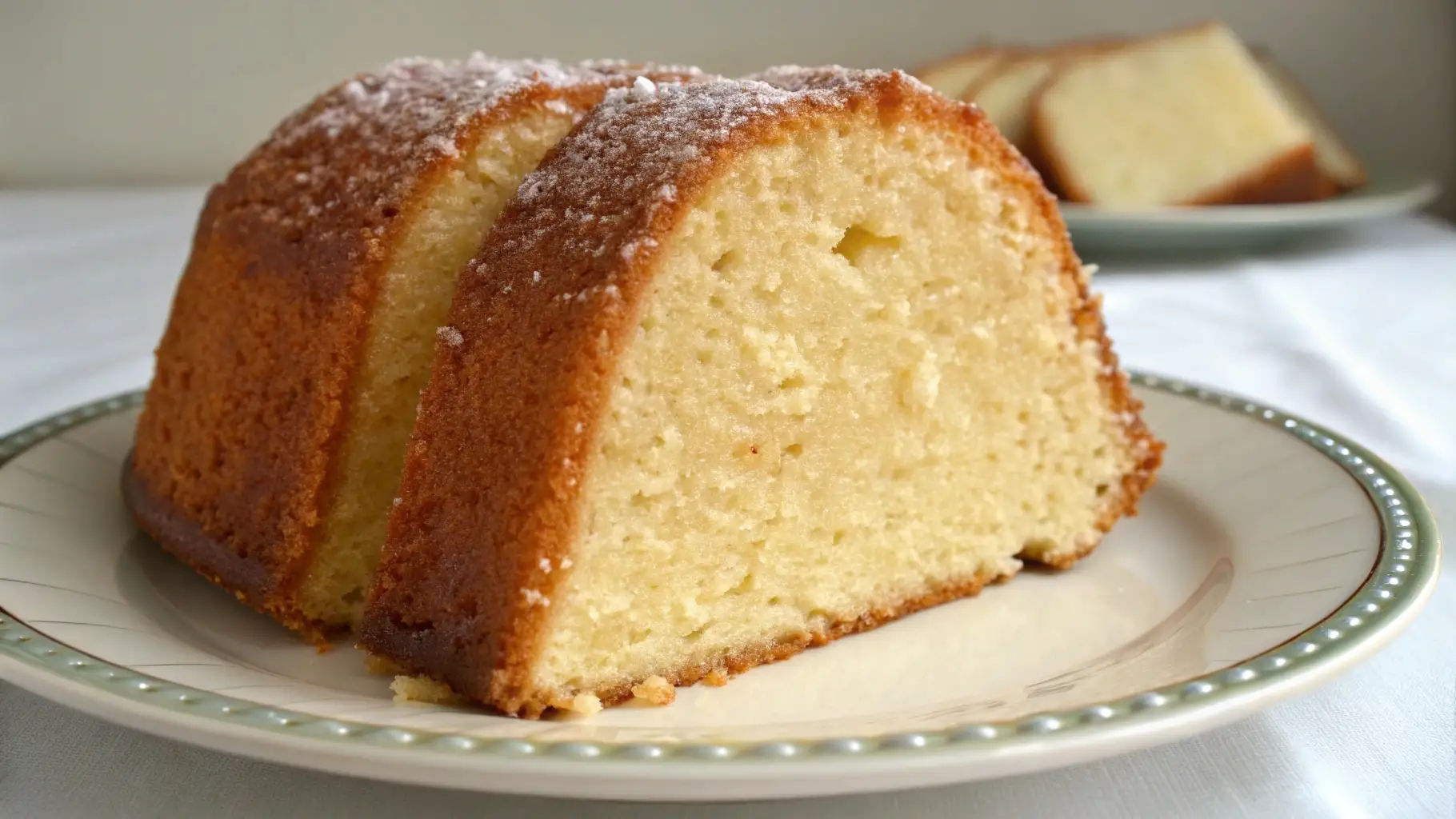
This is the kind of cake that makes people smile before they even take a bite. Soft, buttery, and fragrant with lemon-lime, a classic 7UP pound cake feels like something your grandmother would proudly slice at the table. It’s sturdy enough to travel, easy enough for a weekend bake, and pretty enough for celebrations.
The best part? The recipe uses simple pantry staples and one secret ingredient that makes it irresistibly tender. If you love a cake with a tight crumb, golden crust, and just the right sweetness, this one belongs in your rotation.
What Makes This Special
This cake has a bright, citrusy note without tasting like a lemon cake.
The 7UP adds both flavor and lift, which helps create that signature pound cake texture—dense yet soft. You get a buttery crumb, a crisp golden edge, and a subtle zing that keeps every slice interesting. It’s a reliable bake that feels nostalgic and generous, perfect for sharing.
Unlike many modern cakes, this one leans on time and good technique rather than fancy steps.
A long creaming stage builds structure, and room-temperature ingredients keep the batter smooth. The result is simple, comforting, and consistently delicious.
What You’ll Need
- 1 cup (2 sticks) unsalted butter, softened
- 1/2 cup vegetable shortening (for extra tenderness; you can use all butter, but the texture changes slightly)
- 3 cups granulated sugar
- 5 large eggs, room temperature
- 3 cups cake flour (spooned and leveled; all-purpose works in a pinch but yields a tighter crumb)
- 1/2 teaspoon fine salt
- 1 cup 7UP (not diet), at room temperature
- 1 tablespoon lemon zest (from 1–2 lemons)
- 1 teaspoon vanilla extract
- 1 teaspoon lemon extract (optional, but it boosts the citrus flavor nicely)
For the glaze (optional but lovely):
- 1 1/2 cups powdered sugar, sifted
- 2–3 tablespoons 7UP
- 1 teaspoon fresh lemon juice (optional, for extra tang)
Equipment: 10–12 cup Bundt pan or tube pan, stand mixer or hand mixer, cooling rack.
How to Make It
- Prep the pan and oven. Heat the oven to 325°F (165°C). Generously grease and flour your Bundt or tube pan, making sure every nook is coated.
Tap out excess flour.
- Cream the fats and sugar well. In a large bowl, beat the butter and shortening on medium speed until smooth and fluffy, about 2 minutes. Add the sugar gradually and beat 4–5 more minutes until very light and pale. This step builds structure and helps the cake rise.
- Add the eggs one at a time. Beat in each egg fully before adding the next.
Scrape down the bowl occasionally to keep everything even.
- Stir in flavorings. Mix in the lemon zest, vanilla extract, and lemon extract. The kitchen should start smelling amazing.
- Mix the dry ingredients. In a separate bowl, whisk together the cake flour and salt. Don’t skip the whisking—it prevents lumps.
- Alternate flour and 7UP. With the mixer on low, add one-third of the flour, then half of the 7UP, then another third of the flour, the rest of the 7UP, and finish with the last of the flour.
Mix just until combined after each addition. Overmixing can toughen the crumb.
- Fill the pan. Spoon the batter into the prepared pan and smooth the top. Tap the pan once or twice on the counter to release air bubbles.
- Bake low and slow. Bake for 65–80 minutes, depending on your oven and pan.
Start checking around 60 minutes. The cake is done when a skewer comes out mostly clean and the top springs back lightly.
- Cool carefully. Let the cake cool in the pan for 15 minutes, then loosen edges gently with a thin spatula. Invert onto a cooling rack and let it cool completely before glazing.
- Glaze it. Whisk powdered sugar with 7UP (and lemon juice if using) until pourable but thick.
Drizzle over the cooled cake, letting it fall into the ridges. Allow the glaze to set for 20–30 minutes before slicing.
Keeping It Fresh
This cake stays moist for days thanks to the sugar and fat content. Store it covered at room temperature for up to 4 days.
If your kitchen is warm, keep it in an airtight container to prevent the glaze from getting sticky.
For longer storage, wrap slices tightly in plastic and freeze for up to 2 months. Thaw at room temperature; a quick 10-second microwave zap brings back that just-baked softness.
Health Benefits
It’s dessert, so we’re not pretending it’s kale. Still, there are a few thoughtful points. Portion control is straightforward with a dense pound cake—thin slices satisfy.
Using real butter offers flavor that keeps you from reaching for seconds as easily.
You can nudge it lighter by using cake flour for a tender crumb that doesn’t need heavy frosting. And pairing a slice with berries adds fiber and freshness. Most importantly, homemade means no preservatives and you control the sweetness.
What Not to Do
- Don’t use diet soda. You need the sugar and acidity in regular 7UP for texture and flavor.
- Don’t rush the creaming step. Under-creamed butter leads to a dense, heavy cake.
- Don’t use cold ingredients. Cold butter and eggs cause a curdled batter and uneven bake.
- Don’t overmix after adding flour. This can develop gluten and make the cake tough.
- Don’t overbake. A dry pound cake is hard to save.
Start checking early and trust your tester.
- Don’t skimp on pan prep. Pound cake sticks easily. Grease and flour thoroughly.
Variations You Can Try
- Orange-Lime Twist: Swap lemon zest for orange zest and add a splash of orange extract. Glaze with 7UP and orange juice.
- Coconut 7UP Cake: Fold in 1 cup of finely shredded sweetened coconut and use coconut extract instead of lemon extract.
- Lemon-Lover’s Version: Double the lemon zest and glaze with fresh lemon juice and powdered sugar.
- Almond Citrus: Replace vanilla with almond extract and top with sliced toasted almonds before glazing.
- Mini Loaves or Cupcakes: Divide batter into greased mini loaf pans or cupcake tins.
Bake 20–28 minutes, depending on size, until a tester comes out clean.
- Berries and Cream: Serve slices with fresh strawberries and lightly sweetened whipped cream for a balanced dessert.
Explore more irresistible cake recipes you won’t want to miss:
FAQ
Can I substitute the 7UP with another soda?
Yes. Use a clear, lemon-lime soda like Sprite. Avoid diet versions or darker sodas, which change both flavor and structure.
The sugar and acidity in regular lemon-lime soda are key to the texture.
Why did my cake sink in the middle?
Usually this happens from underbaking, opening the oven door too early, or overmixing the batter. Make sure your oven is truly at 325°F, don’t peek for the first 45 minutes, and stop mixing as soon as the flour disappears.
Do I have to use shortening?
No. You can use all butter (1 1/2 cups total).
Shortening adds a bit of lift and tenderness, but all-butter gives deeper flavor. Expect a slightly denser crumb with all butter.
Can I use all-purpose flour instead of cake flour?
Yes, but the crumb will be a little tighter. To mimic cake flour, measure 3 cups all-purpose flour, remove 6 tablespoons, and replace with 6 tablespoons cornstarch, then whisk well.
How do I prevent sticking in a Bundt pan?
Use a pastry brush to coat every detail with softened butter or a baking spray that contains flour.
Dust with flour and tap out the excess. Let the cake cool 15 minutes before inverting; too soon or too late can cause sticking.
What if I don’t have lemon extract?
Use extra lemon zest and a bit more vanilla. Extract is concentrated, but fresh zest delivers bright flavor.
You can also add a teaspoon of fresh lemon juice to the glaze for punch.
Can I reduce the sugar?
You can trim up to 1/4 cup without major changes, but more than that affects texture and moisture. Sugar isn’t just sweetness—it helps create the tender crumb and crust.
How long should I beat the butter and sugar?
About 5–7 minutes total, until very pale and fluffy. If you rub a little between your fingers, it should feel less gritty.
Proper creaming is the backbone of this cake’s lift.
Final Thoughts
Classic 7UP pound cake is simple, nostalgic, and dependable. With a good creaming step, room-temperature ingredients, and a gentle bake, you’ll get a soft, buttery crumb every time. Dress it up with a bright glaze or keep it plain and let the golden crust shine.
Either way, it’s the kind of dessert that makes an ordinary day feel a little more special.
Classic 7UP Pound Cake Recipe for Soft Buttery Dessert – A Simple, Old-School Favorite
Ingredients
- 1 cup (2 sticks) unsalted butter, softened
- 1/2 cup vegetable shortening (for extra tenderness; you can use all butter, but the texture changes slightly)
- 3 cups granulated sugar
- 5 large eggs, room temperature
- 3 cups cake flour (spooned and leveled; all-purpose works in a pinch but yields a tighter crumb)
- 1/2 teaspoon fine salt
- 1 cup 7UP (not diet), at room temperature
- 1 tablespoon lemon zest (from 1–2 lemons)
- 1 teaspoon vanilla extract
- 1 teaspoon lemon extract (optional, but it boosts the citrus flavor nicely)
- 1 1/2 cups powdered sugar, sifted
- 2–3 tablespoons 7UP
- 1 teaspoon fresh lemon juice (optional, for extra tang)
Instructions
- Prep the pan and oven. Heat the oven to 325°F (165°C). Generously grease and flour your Bundt or tube pan, making sure every nook is coated.Tap out excess flour.
- Cream the fats and sugar well. In a large bowl, beat the butter and shortening on medium speed until smooth and fluffy, about 2 minutes. Add the sugar gradually and beat 4–5 more minutes until very light and pale. This step builds structure and helps the cake rise.
- Add the eggs one at a time. Beat in each egg fully before adding the next.Scrape down the bowl occasionally to keep everything even.
- Stir in flavorings. Mix in the lemon zest, vanilla extract, and lemon extract. The kitchen should start smelling amazing.
- Mix the dry ingredients. In a separate bowl, whisk together the cake flour and salt. Don’t skip the whisking—it prevents lumps.
- Alternate flour and 7UP. With the mixer on low, add one-third of the flour, then half of the 7UP, then another third of the flour, the rest of the 7UP, and finish with the last of the flour.Mix just until combined after each addition. Overmixing can toughen the crumb.
- Fill the pan. Spoon the batter into the prepared pan and smooth the top. Tap the pan once or twice on the counter to release air bubbles.
- Bake low and slow. Bake for 65–80 minutes, depending on your oven and pan.Start checking around 60 minutes. The cake is done when a skewer comes out mostly clean and the top springs back lightly.
- Cool carefully. Let the cake cool in the pan for 15 minutes, then loosen edges gently with a thin spatula. Invert onto a cooling rack and let it cool completely before glazing.
- Glaze it. Whisk powdered sugar with 7UP (and lemon juice if using) until pourable but thick.Drizzle over the cooled cake, letting it fall into the ridges. Allow the glaze to set for 20–30 minutes before slicing.